
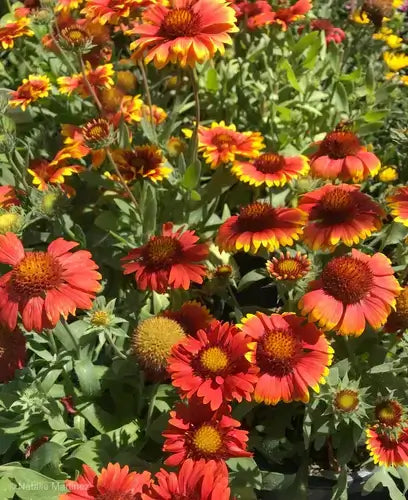
Perennials: How to Grow and Care for Perennial Plants
If planting perennials in spring‚ wait until after the last frost․ If planting in early fall‚ wait until about six weeks before the ground begins to freeze․ Dig the hole twice wider but not deeper than the root ball․ Water deeply once each week for the first 2 months․ The long version (the one that actually lets your plants live through a Tennessee summer or a surprise February cold snap) is a bit more complicated․
Most of Tennessee lies in USDA hardiness zones 6b through 7b․ These zone climates are very conducive to growing many types of perennials‚ as long as they will tolerate a very humid‚ muggy summer and the occasional hard freeze․ That combination trips up a lot of gardeners who see a pretty photo and don't think about how well a plant will weather August in Memphis or January in the Smokies․
Timing Your Planting
Spring plantings work best when soil temperatures rise to at least 50․0․ In Middle Tennessee‚ that typically occurs in mid-to-late April․ The advantage with fall planting is that the soil is warm from summer and air temperatures are falling‚ giving the roots time to establish themselves before they have to support the growth of the plant above ground․ Plant perennials from early September to mid-October for best results in the fall․
When you can find only bare-root perennials or potted perennials in July‚ do not wait till a better time‚ but get them in the ground immediately or even sooner․ Be sure to keep them watered․ If necessary‚ set out a lawn chair or shade cloth for a week or two of afternoon shade․ But if you wait until fall to plant what you bought in July‚ it will be root-bound in the nursery pot for three months․
Soil is far from inert․
While middle and western Tennessee has deep layers of clay subsoil‚ the hills of eastern Tennessee are much rockier with only thin soils․ While clay retains nutrients and moisture‚ it is poorly drained‚ leading to rotting or drowning roots․ Be sure to mix two to three inches of compost into the bed as well‚ not just the hole․ Water will sit at the bottom of the planting hole creating a bathtub effect․
If your soil is sandy or gravelly‚ water and nutrients may simply be drained away too quickly․ Compost helps here‚ along with a layer of leaf mulch or straw to slow down evaporation․
The most reliable test is to dig a one-foot-deep hole‚ fill with water, and time how long it takes to drain․ If the time is less than one hour‚ the soil is sandy; if several hours to a day‚ clay․ In either case‚ add compost․
Planting Step by Step
Dig the hole approximately twice the diameter‚ and the same depth‚ as the plant's pot․ One of the most common planting mistakes we see is planting too deep․ You can end up losing plants such as peonies‚ hostas‚ and coneflowers to crown rot in the first year․
When planting, break the rootball up even if that involves breaking a few small roots․ Plants removed from the pot with the roots at the sides will continue to grow down like that and strangle themselves as they grow․ Gently rub or scratch the rootball with your fingers or fingernails to encourage outward growth․
The crown should be at or slightly above ground level‚ backfill laid and partially compacted in layers‚ and the backfill then thoroughly watered to settle it‚ so that it becomes evenly settled around the root system without air pockets around it․ Some growers will put a thin layer of mulch about two inches deep‚ ensuring it stays three inches away from the stem‚ to avoid rotting the crown․
It's important to consider not only how large the plants you are looking at are when in pots‚ but also how large they are likely to grow to when mature․ For example‚ Coral Bells can be planted 12 inches apart‚ while Hostas and Astilbes should be kept at least 18 to 24 inches apart․
Watering and feeding after planting
For the first six to eight weeks after planting‚ new perennials require at least one inch (25 mm) of water a week from rain or watering‚ and deep watering encourages deeper root growth than daily irrigation․ Once perennials are established (within the first growing season in most cases)‚ they typically only need supplemental watering during long droughts (e․g․ droughts in July and August in Tennessee)․
Avoid overly heavy fertilizing at planting time; in most cases‚ a light application of a balanced‚ slow-release fertilizer in early spring is sufficient․ Too much nitrogen promotes leafy‚ soft growth‚ not root or flower growth‚ and makes them more susceptible to aphids and other pests․
Two Perennials Worth Knowing Better
Goat's Beard (Aruncus dioicus) prefers partial shade and moist‚ rich soil․ It does best on the edge of woodlands in dappled shade rather than in full sun․ Once established‚ it requires very little maintenance‚ except for cutting down the old flower stems once every year․ It is well suited for use in woodland gardens or mixed borders‚ and the white flowers are effective cut flowers that last well․
Yellow Trillium prefers to grow in well-drained‚ moist, and shaded areas resembling the ground in hardwoods‚ and tends to clump slowly and may take one to two years to bloom․ Once established‚ it blooms better each spring until it fills in․ A good choice‚ in combination with ferns and wild ginger‚ for a native woodland garden․
A Few Ongoing Care Habits
Deadhead repeat-flowering perennials such as Coreopsis and Salvia to promote a second flush later in the season․ Overcrowded clumps can be divided every three to four years in spring or fall to keep the plants healthy and prevent the centers from dying out․
During the hot‚ humid summer months‚ watch for signs of stress in Tennessee plants․ Wilting during the heat of the day is normal‚ but wilting in the evening likely indicates a watering or drainage problem․
If you've inherited a perennial bed or you're creating one from scratch‚ the TN Nursery has a good listing of Tennessee-hardy perennials like Goat's Beard and Yellow Trillium that are already acclimatized to the soil and weather of the state‚ so you'll have less work to do to keep it going once it's established․
"

