
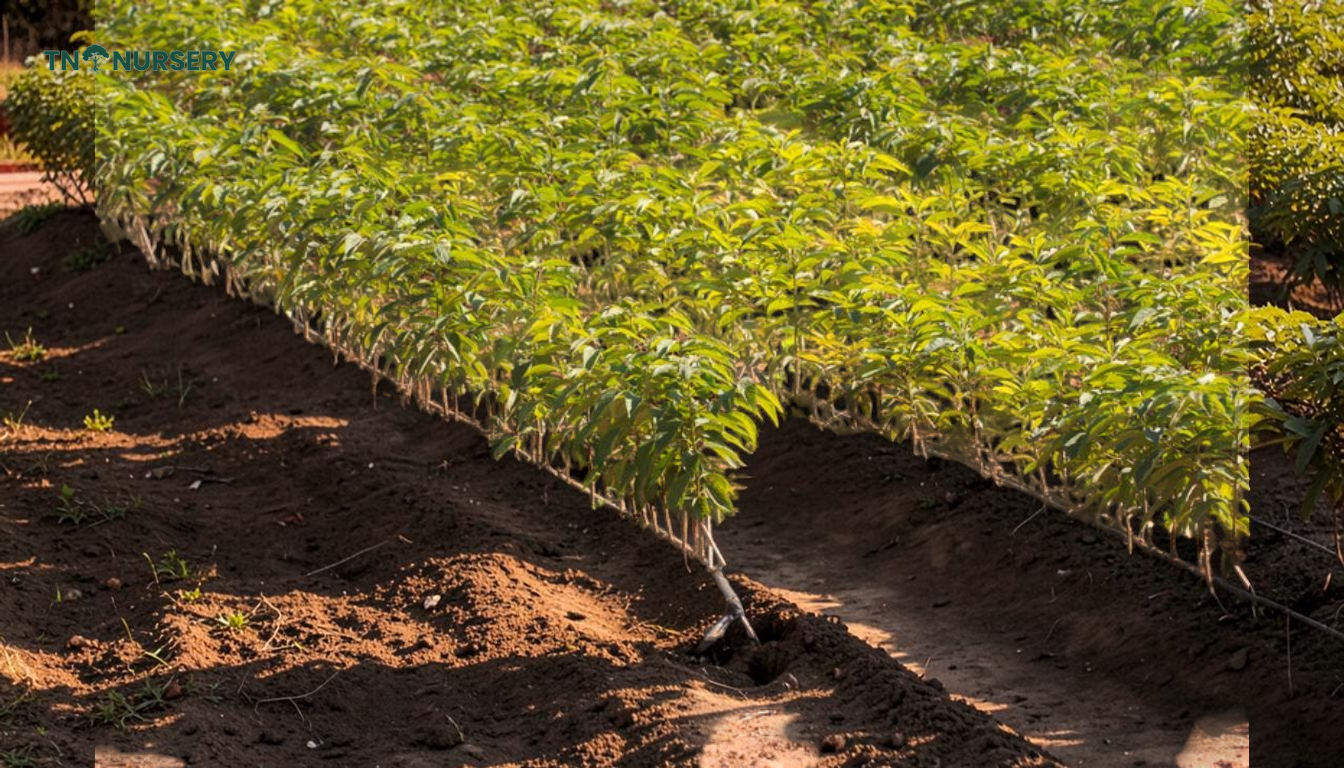
Persimmon Tree Seedlings for Summer Shade
Plant a persimmon tree that grows over 25 feet, handles zones 4-9, and ships bare-root now. You'll get fruit, cooling shade, and strong curb appeal from one planting.
A Shade Tree That Earns Its Space
- Persimmon Tree Seedlings grow in planting zones 4-9
- Bare-root shipping makes them a practical choice among bare root fruit trees
- Mature height reaches over 25 feet for meaningful summer shade
- Sweet fruit, summer bloom, and fall color add value beyond cooling
- Disease and pest resistance helps keep long-term care simpler
Our Top Pick for Summer Shade

Persimmon Tree Seedlings for Shade, Fruit, and Easy Care
If you want a persimmon tree that does more than fill space, this is the one we’d plant near a patio or open yard. It grows over 25 feet at maturity, ships as bare-root fruit trees, and handles zones 4-9 well. You also get useful perks for persimmon tree care, including full-sun growth, summer bloom season, and strong disease and pest resistance. Keep in mind that mature size needs room, but that broad canopy is exactly why it works so well for summer shade trees for home landscapes.
- Height At Maturity: Over 25 Feet
- Planting Zones: 4-9
- Product Attribute 3: Disease and pest resistant
Shade, Soil Support, and Persimmon Tree Care Helpers
If you're planning a persimmon tree planting area, these picks help you build the setting around it. We grouped long-term shade, erosion control, and shade-loving ground cover together so you'll ha...


How to Choose a Summer Shade Tree That Fits Your Yard
If you want a tree that cools a yard and gives you fruit, a persimmon tree earns a close look. We suggest starting with Persimmon Tree Seedlings if you need a shade tree for zones 4-9, want bare-root fruit trees, and have a sunny planting spot.
These seedlings need full sun for six to eight hours. They also mature at over 25 feet, so give them room away from low roofs and tight corners. That size pays you back with real summer shade.
How to choose the right persimmon tree?
Match the tree to your site before you think about fruit. Check sun, drainage, zone range, and mature height first, because those four points decide whether a tree settles in or struggles.
Sun exposure and drainage
Our Persimmon Tree Seedlings do best in open sun. If your yard gets less than six hours, keep in mind growth will slow and the canopy will stay thinner.
For wetter ground, River Birch Seedlings handle moist, well-drained soil better than persimmon. For heavy clay or spots that stay damp after storms, Overcup Oak Seedlings are a better fit than many other landscaping trees.
Zone range and mature size
- Persimmon Tree Seedlings: Zones 4-9, over 25 feet, bare-root, low pruning needs
- River Birch Seedlings: Zones 4-9, over 25 feet, fast growth, likes moisture
- Black Oak Seedlings: Zones 3-9, 50-80 feet tall, 40-60 feet spread
- Loblolly Pine Seedlings: Zones 6-8, 60-100 feet tall, full sun only
Look, mature size matters more than people think. Black Oak and Loblolly Pine can create major shade, but they need wide open space. Persimmon fits better where you want edible fruit and a strong canopy without planting a giant tree.
Persimmon tree care and maintenance
For easy persimmon tree care, plant bare-root stock while the site is prepared and weed-free. Water deeply as it establishes, then expect less work later because these seedlings are described as disease and pest resistant.
Choose by site, not by impulse. The tree that matches your soil and sun will usually outgrow the one that only looked good on the tag.
And one honest note: if you want the squat shape of a fuyu persimmon tree, these native seedlings will grow taller and more naturally. But if your goal is summer shade trees for home landscapes with fruit, wildlife value, and low-maintenance fruit trees for zones 4-9, this is the pick we would start with.
Frequently Asked Questions
What planting zones work for your persimmon seedlings?
Our persimmon tree seedlings grow in zones 4-9, so they fit a wide range of home landscapes. They also need full sun, with six to eight hours a day, if you want the best shade canopy and fruit production. If you garden in a colder zone, this is one of our easier low-maintenance fruit trees to grow. Keep in mind, though, they mature at over 25 feet, so give them room from the start.
What should I expect when bare-root persimmon seedlings arrive?
We ship our Persimmon Tree Seedlings bare-root, so you should expect a dormant young tree without a pot or heavy soil around the roots. That keeps shipping simpler and helps you plant quickly once it arrives. The roots may look plain at first. That is normal. What matters is planting them soon, keeping the roots moist before planting, and setting them in a sunny spot with enough space to grow.
Can I plant persimmon seedlings in summer?
Yes, you can plant in summer, but you need to stay on top of watering. Young seedlings have less margin for missed watering in hot weather, especially during their first stretch in the ground. We suggest planting early in the day and mulching around the base to hold moisture. If you have planted a peach tree before, think of that same early care mindset. The difference is that persimmon seedlings are notably disease and pest resistant once established.
How fast will persimmon seedlings turn into a shade tree?
These seedlings are a long-term planting, not an instant screen. Over time, they mature into a tree that reaches over 25 feet and can cast useful summer shade near patios or open yard areas. The payoff is strong, but you should be patient. If you want a yard built around lasting landscaping trees instead of quick turnover, this is a good fit.
What does the fruit taste like on your persimmon seedlings?
Our product notes describe the fruit flavor as similar to a peach or nectarine, which gives you a good idea of the sweet side of it. The fruit can also be astringent, so ripeness matters. That is the honest tradeoff here. If you are used to peach tree care or growing bare root peach trees, you already know fruit quality often depends on timing, sun, and patience.
How do you ship tree seedlings, and do you offer returns or refunds?
We ship all items by 3-4 day ground shipping. We do not offer refunds, and we do not accept returns. We also do not offer a warranty unless an extended warranty is purchased at the time of order. If you need help with an order, reach us at customerservice@tennesseewholesalenursery.com or write to Tennessee Wholesale Nursery, 12847 State Route 108, Altamont TN 37301, United States.
Plant Your Persimmon Tree for Future Shade
Shop zone-matched trees now and give your yard a head start on cooler summers, more privacy, and fruit you can actually use. Our bare-root Persimmon Tree Seedlings ship now for zones 4-9. Keep in m...

