
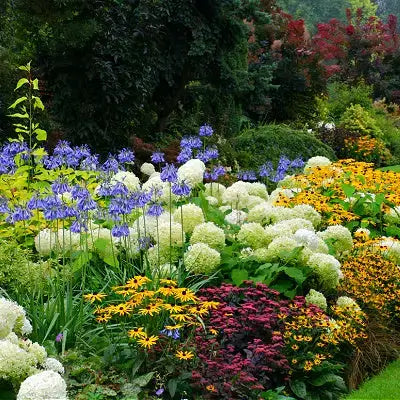
The Beauty and Benefits of Perennials
When you think about a colorful and fabulous flower garden‚ one of the most beautiful and exciting types of plants to imagine is the perennial plant․ These are the flowering plants that come back to a certain area year after year․ Perennials‚ which may grow and bloom indefinitely‚ contrast with annual plants that exist in one season of growth․ For the gardener‚ the reappearance of the plant with its leaves and flowers in the spring reinforces a sense of delight and continuity with the natural world․ The gardener tends and nurtures the garden‚ and over time the garden becomes a reflection of the passage of time in earthly cycles․
One of the main attractions of perennials is the many benefits they provide to the garden and the gardener․ The perennial plant is defined as a hardy perennial․ The amount of maintenance required for perennials is minimal compared to annuals․ Less water is needed to maintain perennial gardens and they are a good option for busy professionals and those unfamiliar with gardening․ Daylilies and black-eyed Susan can tolerate less than ideal soil conditions and climates‚ lasting longer than annuals․ This stability allows the gardens to develop and become more beautiful over time․ These plants provide a lush oasis which contributes to the serenity of adjacent areas․ Plants which are well established tend to have their roots reach deeper into the ground‚ which can help improve the soil structure and reduce climate change․
Select Perennials that Bloom at Different Times
All of these plants are perennial flowering plants‚ returning each year to bloom again․ Peonies bloom in late spring‚ while chrysanthemums bloom in autumn․ With good planning‚ gardeners can select a wide range of perennials to bloom at different times throughout the spring‚ summer‚ and fall․ This enables the perennials to cover the entire palette of colors over the entire growing season and throughout the landscape․ This cycle of bloom can inspire greater appreciation of the seasons and their beauty: a garden is a beautiful profusion of bloom from the first warm days of spring to the first frail chill of autumn․ The sight of newly sprung flowers waving in the wind can quicken the heart‚ and invite the little creatures who play there‚ butterflies and bees‚ and to other creatures who find pleasure in their nectar․
One meaningful advantage to growing perennial plants is that they often have low-maintenance garden styles; once planted‚ they establish and grow with little care․ Being perennials also means that they do not need to be replanted each year‚ giving the gardener more time to spend enjoying their garden and less time working in it‚ as mulching‚ and perhaps weeding and deadheading from time to time‚ are all that is required sometimes․ From this point of view‚ they look appealing in contemporary society‚ where many feel overburdened with commitments․ These hardy varieties can be arranged to form a pretty yard‚ garden‚ or lawn‚ requiring minimal effort by the gardener‚ thus allowing the true enthusiast to enjoy their hobby without spending all their time maintaining the plants․
Perennials also come in a variety of colors‚ shapes‚ sizes‚ and heights so that no matter whether the person prefers the smell of a lavender‚ the look of a daisy‚ or the height of a delphinium there is a perennial flower for every home․ The different colored flowers contribute to the beauty of the garden and allow it to be arranged to suit the soil and other conditions of the locality․ Variation in height and texture helps to create special interest and stresses the center of interest․ Gardeners can plant a different combination of species every year‚ enabling them to create a garden that achieves a hybrid of the artful and the natural․
Perennials Provide Food for Bees, Butterflies, and Birds
With an urbanizing world‚ we need to provide habitats for pollinating species in our yards․ Many perennials provide food for bees‚ butterflies and birds‚ and can be very beautiful in the garden․ In planting a wide range of flowering perennials‚ a gardener is not only improving his or her own gardens‚ but he or she is also helping to save key animals․ The gardener is not just creating life in the garden: the fruit and vegetables in the garden and the pollination that occurs provide life for other fruit and vegetable crops elsewhere․ This relationship between pollinators and plants allows gardeners to connect with nature in a new way and see how their actions can have a positive impact․
In conclusion‚ perennials are a wonderful way to fill your garden with beauty and strength․ Because they are so low maintenance‚ beautiful‚ and available in so many varieties‚ they truly have the potential to make your garden unique and relaxing․ Added to the garden‚ these plants are suitable for most gardeners and can promote better biodiversity․ Perennials can also remind us‚ as we spend more time in gardens and other outdoor spaces‚ of nature's embrace‚ life and death of the ecosystem and the world around․ In every garden‚ there lies an opportunity for joy‚ reflection‚ and connection - all encapsulated within the beloved world of perennials․


