
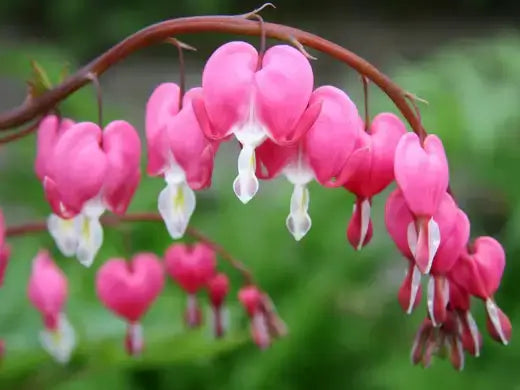
Perennials: Essential for Vibrant Flower Beds
In the garden‚ few sights are so visually pleasurable‚ so refreshing‚ as a flower bed filled with the brightest perennial flowers in the garden․ These perennial flowers are hardy plants that return year after year to provide a mosaic of bright color that can turn even the smallest plot of land into a floral paradise․ In contrast with annuals‚ which bloom for a year or less then must be replaced each season‚ perennials provide the gardener with a permanent flowering plant that appeals to the desire to create a low-maintenance flowerbed․ So the gardener can invest a lot of energy in setting up a structure of plants that shows an effect over the years‚ instead of setting up a structure that is continually being dismantled and redone․ As we move deeper into the perennial world‚ we will see how they are the foundations of a very beautiful and functional flora․
From the workmanlike daylilies and cheerful coneflowers to the delicate peonies and dignified asters‚ the perennial kingdom is virtually limitless in its choices for color‚ height‚ texture‚ spacing and seasonal interest․ Every perennial has its own beauty and its own unique qualities to offer a garden․ All of a gardener's perennials should serve a purpose‚ so the plants should be in harmony with each other․ Black-eyed Susan and sedums grow best in full sunlight‚ while hostas are best grown in shady areas․ This plant is a good candidate for use in a mixed garden or border planting․ The combination of many different types of perennial plants creates a habitat suitable for a variety of local pollinators and flora‚ and will keep changing throughout the course of the growing season giving the gardener something new to see each season․
Perennials have Greater Pest Resistance
Perennials can be easier for novice and experienced gardeners alike‚ as they require less maintenance and do not have to be sown every year in spring‚ unlike annuals․ The root systems of perennial flowers tend to be deeper‚ making it easier for them to withstand drought and weather changes․ This tends to mean that perennials need less watering and other aftercare than the more delicate annual flower varieties․ Perennials have the advantage of greater pest and disease resistance than annuals․ From the gardener's point of view‚ this means that pest control is less labor-intensive‚ the garden requires less work‚ and more of the gardener's energy can be used in productive and pleasurable ways․ Additionally‚ the presence of a strong plant can improve soil quality over time‚ in that the soil is scoured by its roots‚ breaking up compaction and improving conditions for other plants․
Indeed‚ perennials make up for the changing of seasons‚ and by deepening the seasonal space‚ their foliage has dramatic effect․ In spring‚ for instance‚ flowers can suddenly appear in a riot of colors after winter dormancy․ The greens of spring are coupled with reds; spring becomes no longer an extension of its cold wintry past‚ but brings hope of life anew․ Bees‚ butterflies‚ and other insects love the flowers of summer perennials‚ and dance around nature's magical ballet‚ straining to hear and marvel at her subtlest songs․ Many later-season perennials revel in a period of graceful decline‚ with varied and beautiful autumn foliage and seed heads adorning the scene of their passing․ During winter the garden was quiet‚ but some of the perennials‚ such as ornamental grasses‚ still offered structure and interest in the frost and snow․
Perennials Can Live For Decades
Although the annual flowers often start off dazzling gardeners‚ one advantage of perennials quickly becomes obvious: the annuals need to be planted each year‚ and fertilized‚ deadheaded‚ and replaced when they finish blooming‚ while perennials grow back year after year․ Perennials have the potential to live for many years or even decades‚ and their blooms can return over and over again‚ which makes them a more economical option‚ as they become less expensive over time than buying annuals every year․ Thus‚ gardeners are able to plan out their flower beds and enjoy the aesthetic creations in full bloom․ Gardeners can see their hard work and decisions come to fruition over the years․ For these reasons‚ the question about preferring perennials or annuals shifts from choosing the superior type of garden plant‚ to growing a garden with both perennials and annuals in it․
The planting of perennials can become more of a science experiment‚ balancing the colors‚ height‚ bloom time and environment with the desired result․ Spatial considerations are typically taken into consideration for flower placement‚ so a tall perennial such as delphinium or hollyhock can be placed behind a short perennial such as phlox or dianthus․ Borders with seasonal perennials can provide interest with flowers through every season‚ as well as through the sequential flowering times in spring‚ summer and autumn․ Different heights and textures can be added to interest the observer as well․ Aside from their aesthetics‚ they allow flower beds to attract bees and butterflies to the area‚ thus improving the biodiversity of a well-balanced ecological garden system․ The flower bed acts as a work of art as colors‚ texture‚ and aroma of the perennials blend harmoniously as a peaceful environment of beauty․
In conclusion‚ perennial plants are a must-have for any flower bed‚ effortlessly blending beauty‚ sustainability‚ and vitality in gardens worldwide․ Emphasizing their resilience and diversity will allow gardeners to create stunning floral displays that celebrate both the fleeting and everlasting nature of nature's beauty․ These and other topics will be discussed with the goal of explaining the enduring attraction of perennials‚ and how their ease of care and maintenance make it possible for even the novice gardener (as well as the experienced gardener) to bring the garden of their dreams to reality․ If you want a tranquil retreat‚ wildlife habitat‚ or riot of color in your garden‚ then use perennials․ The garden dies and grows back every season‚ a constant metaphor of patience‚ beauty‚ and repetition‚ and also a metaphor of possibilities․


