
Perennial Plants: The Complete Guide to Building a Garden That Comes Back Every Year
The backbone of any garden are the perennial plants that improves year after year versus a garden that dies each spring and is replanted․ Unlike annuals which die after one season‚ perennial plants grow each spring as soil temperatures begin to rise and only the roots survive the winter․ For Tennessee gardeners in USDA zones 6a through 7b‚ that means that most of these plants will winter over just fine with little more than a layer of mulch for protection․
This may not sound like much of a benefit‚ but after a period of three to five years‚ a well-planned perennial bed will have matured‚ thickened‚ spread‚ and filled in sufficiently that it will look deliberate‚ not contrived․ Here's what works in Southeast conditions and what to do about it, but that most perennial descriptions neglect to mention․
Daylilies (Hemerocallis)
Daylilies are about as forgiving as perennials get‚ and grow beautifully in the clay soil that makes up much of Middle Tennessee‚ even in full sun to light shade․ The flowers last only one day‚ hence the name‚ and are produced continuously from a mature clump over a period of four to six weeks‚ depending on the cultivar․ These should be planted in spring or autumn‚ with clumps spread 18-24 inches (46-61 cm) apart․ The clumps need to be divided every 3 or 4 years when the center begins to die out․ TN Nursery ships daylilies as bare-root divisions․ Bare root divisions establish better than plants in pots‚ because the roots are not pot-bound and circling․
Hostas
Hostas are widely used for ground cover in shady gardens that receive little to no sun during the day․ Ranging from mounds of foliage 6 inches (15 cm) high to plants that spread to 4 feet (1․2 m) across‚ they come in shades from blue-green to gold to variegated․ In some areas‚ the tradeoff for that lush foliage is deer and slugs․ If deer are an issue‚ plant hostas near the house and spray with a deer repellent for the first two years until established․ Hosta are slow in the first year‚ moderate in the second‚ and create a full mature spread in the third year․
Coneflowers (Echinacea)
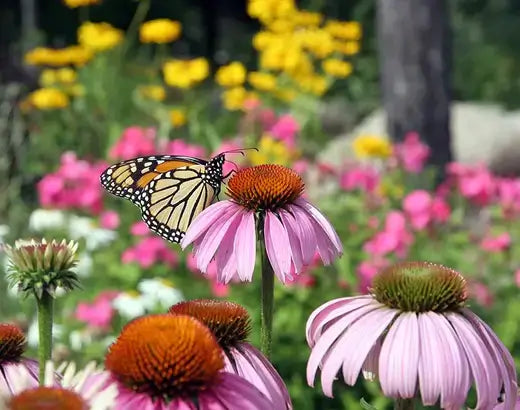
Echinacea purpurea (purple coneflower) is native to most of the East and Central U․S․ including Tennessee‚ which is why it does so well in our summer humidity and drought․ This plant blooms from June through September‚ and is a favorite of goldfinch (leave the seed heads on during the fall when they feed)․ It likes full sun and well-drained soil․ Deep clay is not good without amendment‚ as they rot if left in standing water․ Coneflowers are one of the best plants if you're trying to promote monarchs and swallowtails on the way through․
Black-Eyed Susans (Rudbeckia)
Once established‚ black-eyed Susans are nearly weedy‚ making them excellent for filling a large bed at little expense․ They also self-sow‚ so if you enjoy a loosely cultivated look‚ you'll have no shortage of new seedlings every spring‚ but if your taste runs to rows‚ this may not be the plant for you․ Heavy bloomers from July until frost‚ they tolerate poorer soil conditions than almost anything else on this list․
Sedum
Sedums range from groundcovers to upright species such as 'Autumn Joy'‚ 18 to 24 inches (460 to 610 mm) tall․ If you have a hot‚ dry‚ poor-soiled area of the yard where nothing else wants to grow‚ try sedum․ As it stores water in its leaves‚ the commonest mistake is overwatering․ Plant in full sun and sharp drainage‚ and don't be surprised if they need almost no attention for years․
Russian Sage
Russian sage gives that silvery‚ airy quality so often missing from the garden․ It reaches 3 to 4 feet both high and wide․ The lavender-blue flowers occur from midsummer through fall․ Once established‚ this plant has low water needs and high drought tolerance․ It is pruned hard to 6-8 in (15-20 cm) in late winter‚ since it flowers on new growth and becomes woody and sparse otherwise․
Geraniums (Hardy Cranesbill)
Unlike the annual bedding geraniums (which are actually Pelargonium)‚ hardy geraniums are low-mounding perennials‚ good as an edging plant or filler in the garden between larger plants․ In the hot summer months of Tennessee they do better in partial shade and likely will rebloom when sheared back after the initial flush dies back in early summer․
Astilbe
Astilbe‚ a shade-loving perennial which likes constant moist conditions like hostas‚ can be combined in a bed with hostas․ Astilbe flowers resemble plumes or feathers and are white‚ pink and dark red․ Blooms are generally produced in early to mid-summer․ As for cultural requirements‚ the only one is moisture․ Astilbe planted in dry shade under mature trees will not bloom satisfactorily‚ regardless of soil amendments․
Peonies
Peonies should be considered a long-term investment‚ as the plants may take 2 to 3 years to bloom well after being planted․ If planted in the right spot‚ peonies may outlive the gardener: some peony plants have been reported as over 50 years old․ Their need for cold winters to set buds makes Tennessee's zone range a near-perfect fit․ They also prefer full sun and well-drained soil․ When planting an eye‚ it should be no deeper than 2 inches (51 mm)‚ or the eyes may produce foliage only‚ without blossom․
Lavender
Lavender is the most difficult plant for Southeast gardens on this list․ Not because of the cold but because it wants excellent drainage and can suffer if you let it sit in water with our humid summer weather․ Most of these problems can be solved by planting in raised beds or rock gardens․ English varieties tolerate our winters better than French types‚ which are more suited to arid climates․
Putting It Together
The best perennial gardens blend bloom times so that something is always in bloom․ Daylilies and coneflowers bloom in the summer while peonies bloom in late spring and sedum offers fall interest․ Once you have grouped plants by moisture and light needs‚ then consider color․ One more advantage in growing TN Nursery's perennials is that they are locally grown‚ not shipped in from a very different climate․ This makes more difference than most catalogs let on․ A plant that is already adjusted to the heat and clay soil of the Southeastern United States will be easier to root and less delicate than a plant that is used to somewhere else․ Begin with three or four that will thrive in your garden and work up from there․
"


