
Ornamental Trees: The Best Varieties for Tennessee Landscapes and How to Choose One
Ornamental trees earn their keep in the landscape by doing other things besides providing shade on the patio‚ like blooming‚ changing color‚ and displaying interesting bark throughout the seasons‚ more than lawns or shrubs do․ If you are choosing a tree for a Tennessee yard‚ instead of falling in love with a picture on the internet‚ you will need to find one that fits your space in terms of bloom time‚ height‚ and soil conditions․
Tennessee straddles USDA hardiness zones from 6b to 8a․ The higher elevations of East Tennessee are much cooler‚ and Memphis and the west are much warmer‚ particularly into the fall․ The good news is‚ all of these trees will thrive in the three hardiness zones‚ although flowers and fall colors may appear a week or two earlier or later‚ depending on your location․
The Cistena Plum Tree: Colors That Change With The Seasons
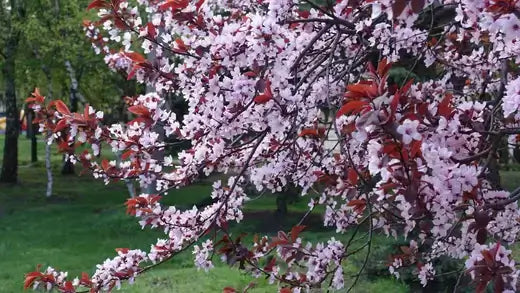
Smaller trees‚ used as specimens or privacy screens‚ include the Cistena Plum Tree (Prunus cerasifera 'Cistena')․ Its pale pink flowers begin blooming in early April (the end of the frost threat in Middle Tennessee) and continue for about two weeks in the spring․ The foliage‚ which changes from green to deep burgundy-purple once the flowers fade‚ lasts throughout the summer․
At about 8 to 10 feet tall‚ it can also be used as an accent near a patio or along a fence‚ best in full sun (6 hours a day or more) to produce the darkest color leaves․ Any shade will continue to lighten the purple of young leaves to muddy green․ It accepts average garden soil‚ and needs little besides weekly deep watering in its first growing season‚ while its roots are still establishing․
Okame Cherry Tree: The Earliest Spring Color You'll Get
The first real sign of spring for your yard is the Okame Cherry (Prunus okame)‚ which blooms weeks before the Cistena Plum‚ sometimes as early as mid-March in West Tennessee․ A hybrid of two Asian cherries‚ Okame is compact and rounded‚ growing to a height of 20 to 25 feet‚ a more manageable size than many species of flowering cherries for the suburban yard․
The flowers of the pink variety appear before the leaves‚ and when in full bloom and bare of leaves the tree has for a period of about ten days the appearance of a large cloud of pink‚ but later it makes a clean medium green crown․ Okame Cherry has better clay tolerance than most cherries which is especially important in Tennessee where heavy clay soil is the rule rather than the exception․ Good drainage is essential if possible․ Standing water around the roots is really the only thing that seems to reliably kill this tree․
Sourwood Tree: A Native That Feeds Bees and Puts on a Fall Show
The Sourwood is also native to the foothills of the Appalachians‚ so it is well-adapted to Tennessee․ It is one of the few trees which grows better in the acidic‚ well-drained soils which occur naturally in the eastern part of the state․ In late June and July (when it has the latest bloom of any flowering tree)‚ its clusters of bell-shaped white flowers which hang downwards may be relied upon to provide blooming color into summer‚ after other ornamentals have bloomed․
The flowers are another major source of nectar‚ which is why sourwood honey is a local specialty in East Tennessee․ In October‚ the shiny leaves assume shades of red and burgundy that rival the brilliance of those of any maple tree․ Sourwoods grow slowly‚ at a rate of 12 to 18 inches a year‚ ultimately reaching heights of 25 feet․ However‚ this patience can be worth the wait․ They prefer part shade to full sun and well-drained soil that does not become muddy or soggy for long periods․
Crepe Myrtle Tree: Blooms in Summer‚ Bark Works Year-Round
The Crepe Myrtle Tree (Lagerstroemia indica) may be the south's most popular ornamental tree․ It has plenty to be proud of․ It blooms for months (from June to September) with large terminal flower clusters of white‚ pink‚ red or purple (depending on the cultivar)․ That long bloom window‚ alone‚ sets it apart from the above spring-flowering trees․
The bark peels in summer to reveal a smooth mottled layer underneath‚ thus stunning garden visitors even in January when everything else is bare․ Crepe Myrtles range from 3 ft․ dwarf shrubs to 25 ft․ street trees․ Be sure you know how big the plant will get before purchasing‚ as people have a tendency to plant a full-size variety too close to the house and then have to try to prune it back with pruning shears for many years․ They prefer full sun for flowering․ Once established‚ they are also quite drought resistant‚ making them low-maintenance plants in the garden․
Planting and Care: Everyone Should Follow These Principles
Fall planting is typically better than spring planting in Tennessee․ The cooler air temperatures allow roots to establish before summer heat‚ and less watering is required․ Dig the hole twice as wide but no deeper than the root ball‚ as planting too deep is the single most common mistake and it slowly suffocates the roots over a couple of years․
Water once or twice a week until the tree is established‚ and thereafter as needed․ Add a mulch (2 to 3 inches) around the base of the tree‚ but leave it a few inches away far from the trunk to minimize rot and damage from rodents in the winter․
Choosing the Right Tree for Your Space
All of these trees are great in their own right‚ but they're not necessarily interchangeable․ If you're looking for the earliest flowering tree‚ go with the Okame Cherry․ If you're looking for a native tree‚ one that attracts pollinators‚ and one that offers fall color‚ the Sourwood is hard to beat․ Hands down‚ Crepe Myrtle has the longest bloom season․
TN Nursery has all four of these‚ including root systems designed for Tennessee's clay-heavy soil‚ so you don't have to wonder what you need to start with to actually grow plants in this region․ A quick search on size‚ sunlight and bloom time will save a lot of pruning later․


