
Nurturing Growth: A Gardening Resolution
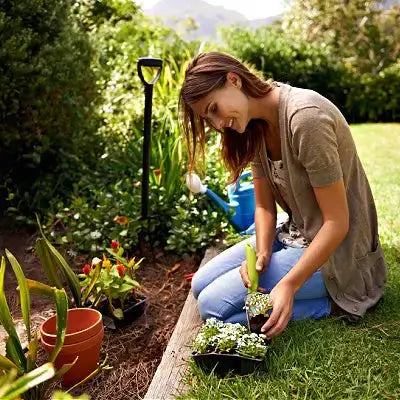
Some people are already thinking about what their New Year's resolution should be‚ and they start to make lists of what things they would like to happen in the next year‚ at midnight․ Popular New Year's resolutions are to exercise more‚ be more present for your family‚ or learn a new skill․ However‚ there is one resolution that will feed and nourish not only your soul but your body as well: growing your own fruits and vegetables․ Growing your own food is much more than just a simple gardening chore; it's a commitment to a healthier lifestyle‚ a journey closer to nature‚ and an invitation to add more color and flavor to your meals․ Entering into the hobby of home gardening can be a beautiful way for you to invest in yourself while also reaping the rewards of growing your own food․
Health benefits‚ both physical and psychological‚ are often cited in relation to home gardening․ Homegrown vegetables and fruits are often considered fresher‚ more flavorful‚ and more nutritious than store-bought produce․ Eating a sun-warmed tomato straight off the vine or a crunchy cucumber from the backyard on a warm summer day is a special experience․ In surveys‚ people report that gardening encourages healthy eating․ When healthful fruits and vegetables are free and right outside the door‚ healthy eating is easier․ The produce of these plants also becomes a part of the person‚ something that makes the owner happy and fulfilled and rewards one for the time and energy expended on each plant․
Why Companion Plants are Important
A companion plant is a plant that is helpful to another plant․ Companion planting is keeping plants next to each other to provide the best conditions for growth in the garden for neighboring plants or to counteract the actions of predators․ For example‚ tomatoes are stimulated and thrive when grown beside basil‚ and the two crops are well known companions from culinary use․ A companion plant can also help repel insect pests․ Marigolds are well known for repelling nematodes and aphids from vegetable crops when used as companion plants․ Once understood‚ these relationships will give home gardeners the clues to a successful harvest and a garden with a wider diversity of plants․
Tips on how to harvest and store crops once they are harvested help home gardeners to maximize the length of the growing season․ Depending upon the crop variety‚ the time of harvest can influence the taste and nutrition of the fruit and/or vegetables․ These snap peas will be crisp and sweet‚ the cucumbers will be only slightly bitter‚ when they are picked before they get past their prime․ They will then be properly packed and stored for your enjoyment․ Some fruits and vegetables‚ such as apples and squash‚ will keep for weeks if stored in a dark and cool place‚ while leafy vegetables keep best in a moist climate․ By planning an efficient harvesting and storage plan‚ gardeners can create opportunities for a range of delicious meals throughout the season and ensure nothing goes to waste․
Plant species also vary in how much they are productive at different times of the year‚ so seasonality may be a factor․ To achieve the best results‚ forethought and knowledge of one's growing zone are necessary․ Vegetables that grow best in cooler spring weather‚ such as spinach‚ lettuce and radishes‚ can be planted as soon as spring arrives․ With higher temperatures approaching the summer growing season‚ attention turns to growing vegetables such as tomatoes‚ zucchini or peppers․ Other aspects of gardening that might be affected by time include when to plant and when to prune or battle insect pests․ By understanding the changes through the seasons‚ and by selecting plants which thrive in certain conditions and at certain times‚ it is possible to garden each season․
Prep the Soil for a Successful Garden
Preparing the soil is another important step to establishing a successful garden․ Healthy soil supplies the plants with nutrients‚ water‚ and anchorage needed for growth․ Typically‚ before planting‚ samples of soil are tested to determine its class․ This is modified to provide the best possible condition for planting․ Organic matter can be added to the soil‚ in the form of compost or well-rotted manure‚ to improve it and increase fertility․ A soil test can easily determine the pH levels and deficiencies that a soil might have and is in many cases the best way of finding out how to prepare planting/seed beds․ The effort that goes into preparing the soil will be rewarded by the amount and quality of healthy plants․
At the start of the new year‚ one of the most excellent resolutions we can make is to grow our own fruits and vegetables so that we can live more healthy and sustainable lives․ What is good is that you can reap many benefits from having a garden at home․ The first taste of a home-grown strawberry in the summer‚ the sharing of the harvest with family and friends‚ the relaxation that is possible through contact with plants‚ soil‚ and earth are just a few of the signs of progress and achievement through home gardening․ The seasons change‚ plants grow‚ life abounds‚ and so does the home gardener's understanding and appreciation for the earth and all its beauty and wonder․ Make this your New Year resolution and your world will come alive․


