
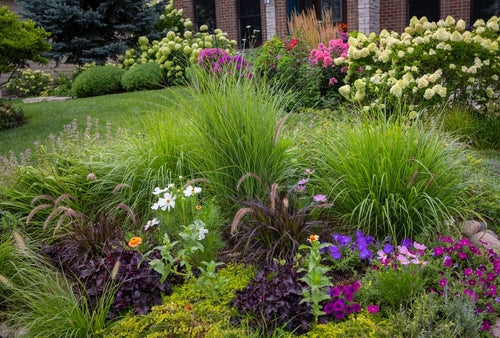
A Natural, Low-Maintenance Garden Guide
Designing a Tennessee landscape with native plants is one of the smartest choices you can make. These plants are naturally adapted to the region’s soil, rainfall, and climate, so they require less water, fewer chemicals, and less maintenance. More importantly, they support pollinators like bees, butterflies, and birds, helping restore balance to the environment.
In Tennessee, native plant landscapes are not just beautiful; they are functional ecosystems that thrive year after year. When building a strong native landscape, I focus on plants proven to perform well in Tennessee. These species establish quickly, tolerate changing weather, and bring life to the garden. Many are available through TN Nursery, where native plants are grown and shipped to encourage strong root development and long-term success.

Coneflower (Echinacea): The Backbone of a Native Garden
Coneflowers are one of the most recognizable and reliable native plants for Tennessee landscapes. Their daisy-like blooms in shades of purple and pink create a vibrant display from early summer into fall. Beyond their beauty, coneflowers are powerhouse plants for pollinators, attracting bees, butterflies, and even songbirds that feed on their seeds.
Coneflowers are especially valuable for their adaptability. They thrive in poor soil, tolerate drought, and need little care once established. In Tennessee landscapes, they work well in borders, meadow-style plantings, or mixed perennial beds. Planted in clusters, they create a bold, natural look that feels both wild and intentional.

Bee Balm (Monarda): A Magnet for Pollinators
Bee balm is another must-have native plant, known for its bright, tufted flowers and ability to attract hummingbirds, butterflies, and bees. Its vibrant red, pink, or purple blooms bring energy and movement into the garden while supporting essential pollinators.
This plant thrives in Tennessee’s warm climate and handles various soil conditions. It spreads naturally, making it ideal for filling garden spaces or creating a dense, colorful display. Bee balm also has a pleasant fragrance and herbal uses, adding value to your landscape.

Black-Eyed Susan (Rudbeckia): Bright and Reliable Color
If you want a plant that delivers consistent color with little effort, Black-Eyed Susan is a top choice. Its cheerful yellow petals with dark centers brighten any landscape and bloom for an extended period during the growing season.
These plants are incredibly hardy and resilient, thriving in full sun and in poor soil. They are also excellent for attracting pollinators and birds, making them both ornamental and functional. ( Evergreen of Johnson City, TN ) In Tennessee landscapes, Black-Eyed Susans are often used in mass plantings, creating a golden wave of color that looks stunning in both formal and natural settings.

Milkweed (Asclepias): Essential for Butterflies
Milkweed plants are one of the most important native plants you can include in your Tennessee landscape. It is the primary host plant for the monarch butterfly, which is essential to its survival. Beyond its ecological importance, milkweed produces clusters of unique flowers that add texture and visual interest to the garden.
It thrives in sunny areas and tolerates drought once established. Including milkweed in your landscape turns your garden into a habitat, not just a display.

Liatris (Blazing Star): Vertical Drama and Pollinator Power
Liatris, often called blazing star, adds a completely different texture to the landscape with its tall, spiky purple blooms. These vertical flowers create contrast and depth, making them perfect for layering in garden designs.
They are especially attractive to pollinators and are known for drawing butterflies in large numbers. Liatris thrives in well-drained soil and full sun, making it an excellent addition to Tennessee gardens that need height and visual interest without added maintenance.

Virginia Bluebells: A Spring Woodland Favorite
For shaded areas, Virginia bluebells are one of the most beautiful native options. These soft blue, bell-shaped flowers emerge in early spring, creating a peaceful, woodland feel. They are easy to grow and require minimal care, making them ideal for naturalizing under trees or along shaded borders.
Virginia bluebells pair well with other woodland natives and provide early-season nectar for pollinators when few other plants are blooming.

Little Bluestem: Native Grass with Year-Round Appeal
Native grasses are often overlooked, but little bluestem is one of the most valuable plants for Tennessee landscapes. It provides structure, movement, and year-round interest with colors that shift from blue-green in summer to bronze and orange in fall.
This grass is excellent for erosion control and habitat support. Its deep root system improves soil health and helps retain moisture, making it both beautiful and practical.

Asters and Goldenrod: Late-Season Lifelines
Asters and goldenrod are essential for extending your garden’s beauty into fall. While many plants fade, these natives burst into bloom, providing critical nectar for pollinators preparing for winter. They add vibrant purples and yellows to the landscape and help keep your garden active and alive as the seasons change.

Why These Plants Work So Well Together
The key to a successful Tennessee native landscape is diversity. By combining plants like coneflowers, bee balm, grasses, and late-season bloomers, you create a layered ecosystem that supports wildlife year-round. Native gardens filled with a variety of species provide continuous blooms and resources, which is essential for pollinators and overall ecosystem health.
( U.S. Fish and Wildlife Service ) These plants also complement each other visually. The soft movement of grasses, bold blooms of coneflowers, and vertical spikes of liatris create a dynamic natural design that evolves throughout the seasons.

Final Thoughts: Building a Tennessee Landscape That Thrives
Choosing native plants for your Tennessee landscape is more than a gardening decision; it’s a long-term investment in sustainability and beauty. These plants are designed by nature to succeed here, meaning less work for you and more reward over time. When you plant natives, you reduce maintenance, conserve water, and create a habitat that supports life beyond your garden.
With options like coneflower, bee balm, milkweed, and little bluestem, you can build a landscape that is not only stunning but also deeply connected to the natural world. Starting with high-quality native plants from TN Nursery ensures you get species ready to thrive. Whether you’re planting a small garden or transforming acres, native plants are the foundation of a landscape that truly belongs.


