
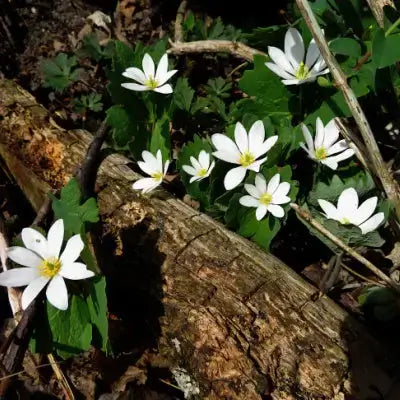
Maximizing Garden Impact with Native Plants
The promise of beauty and harmony is present in every garden․ If you look at planning any new planting scheme‚ you can be struck dumb by the variety of exotic plants available from your local nursery․ The beautiful colors and strange shapes of flowers and leaves can be mesmerizing․ Planting native plants can be a less obvious way to make your home more wildlife-friendly․ Natives are plants that have developed naturally in a given area and are adapted to its climate‚ soil‚ and wildlife․ The message of creating a native plant garden is that one can create beauty and a sense of peace in a landscape at the same time supporting local ecology․ It also underlines the importance of sustainability‚ environmental stewardship and finding joy in the landscape as an intrinsic part of our lives․
A major advantage to planting indigenous plants is that native plants can provide habitats for native wildlife‚ including birds‚ mammals‚ insects‚ and other animals․ Because native plants and animals co-evolved‚ native plants provide food‚ shelter‚ and breeding grounds that are vital to the survival of wildlife and have become part of the natural ecosystem․ Examples of plants that can be valuable in this respect are shrubs and trees that produce berries in the late summer or fall for birds on migration‚ and various herbaceous plants that are larval hosts for butterflies and moths․ An increasingly urban landscape makes native plant gardens important oases․ The cultivation of these plants provides a critical contribution to the biodiversity of an area dominated by concrete and asphalt‚ providing habitat for native animals that depend on it․
Why Native Plants are Beneficial for Your Garden
In addition to providing shelter‚ native plants are water-efficient․ Changing weather patterns and climate change have made water conservation a growing concern for developers․ A lot of native plants also have deeper root systems‚ allowing them to extract water from much deeper down in the soil‚ making them more drought resistant․ By adding them to your garden‚ you'll find that you use much less water than with non-natives․ This helps reduce water usage and pressure on your local water sources‚ as well as saving you money․ In the wet season‚ their roots benefit the soil by slowing down erosion and the infiltration of water into the soil rather than letting the water run off․ The interactions between the native vegetation and the environment can provide gardeners with lessons․
One of the biggest benefits to growing native plants is that they attract pollinators‚ which are vital to the health of any ecosystem․ Local bees‚ butterflies‚ and bats rely on certain native species for nectar and pollen throughout the seasons to survive․ A considerable number of wildflowers have different flowering times‚ providing a source of food throughout much of the growing season․ Pollinators are subject to many pressures‚ such as habitat loss‚ and use of pesticides‚ so the establishment of a native plant garden could be very helpful․ By planting a diverse range of native plants‚ gardeners and other landowners can create productive pollinator habitat in their backyards and reverse current pollinator declines․
Native plants have a high degree of resistance to insect pests and diseases․ Because they have evolved to adapt to local conditions‚ they do not usually suffer from the same degree of pest pressures as do exotic plants․ This means gardeners who choose native plant species have greater potential to use fewer chemical pesticides‚ and the natural abilities of many native plant species can offer important benefits by working to maintain a healthier garden with less reliance on chemical pesticides․ This creates an integrative approach where plants and animals are able to co-exist‚ and the use of chemical control techniques can be considerably reduced․
Native Plants Offer a Wide Range of Colors
Native plants have a wide range of colors‚ textures and shapes that can be used to improve a neighborhood․ Native wildflowers‚ shrubs and trees are the best way to create a garden that makes sense in your region and that creates a more beautiful landscape․ Native plants can range in size from small flowers to willow-like shrubs and tall trees․ They are the best way of recreating the character of the region and enabling the garden to fit into the landscape․ Many native plants are seasonal․ Different floras emerge through the seasons‚ giving beauty at all times of the year‚ which gives our eyes and souls the nourishment to see the harmony between the movements of the earth and our own existence․
While the benefits of native plants vary‚ they all work together with nature as a whole․ Native plants can help with water conservation‚ pollinator attraction‚ pest resistance‚ and added beauty of your garden‚ while being efficient in nature‚ and providing a habitat for wildlife within the area․ When we create our own gardens and green spaces‚ we have the choice to carefully plant native species‚ not as a trend‚ but as our contribution to leaving the world a better place for those who come after․ It's about having a beautiful‚ well-balanced‚ diverse ecosystem for future generations․ For every bloom that opens‚ for every bit of shade that a tree provides‚ we know that by planting native plants we are making a difference‚ a difference that will be felt for generations to come․


