
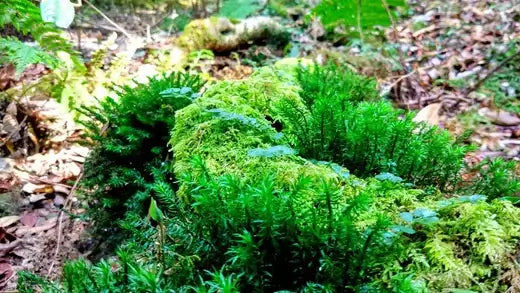
Mosses are non-vascular land plants in the phylum Bryophyta‚ comprising about 12000 species․ They have existed for hundreds of millions of years‚ and occupy a wide range of terrestrial habitats․ Although small and unassuming‚ mosses play a much larger role in their ecosystem than is universally understood․ Unlike the vascular plants‚ which have vascular systems that transport water and nutrients from one part of a plant to another‚ mosses do not have specialized tissues to transport water or nutrients․ Understanding the biology of mosses helps show their place in nature and how integral these non-vascular plants are to the functioning of the ecosystems in which they live․
Unique Characteristics of Mosses
A salient feature of mosses is the absence of any vascular tissues: mosses do not have xylem or phloem‚ the conducting tissues found in vascular plants (higher plants)․ Mosses lack conducting tissues and absorb water and nutrients through their leaves from rainwater or surrounding humidity‚ giving mosses a high sensitivity to the environment․ Mosses are usually low-growing by spreading on‚ or near to‚ the ground in a green carpet-like appearance․ The leaves of mosses are small and simple‚ and play a major role in the process that mosses use to harvest energy from sunlight․ Mosses also have a tolerance to extreme conditions‚ such as an ability to survive drying out․ Mosses can lose nearly all their water and appear dry and dead‚ but on the re-entrance of sufficient moisture they revive and recover their lively green almost at once․
Mosses are non-vascular plants that are often the first plants to grow in bare land‚ creating and stabilizing soil․ Mosses break down rocks and hard surfaces into humus-filled soil suitable for other plant life to prosper․ Mosses serve an important role in the development and success of a biological community․ The spongy tissues of their bodies can store large amounts of water and moisture and allow it to be released slowly into the surrounding environment‚ effectively preventing both dehydration and erosion and creating a humid microclimate․ Water retention is especially important in habitats with relatively constant moisture levels‚ such as bogs and wetlands‚ which are often dominated by mosses․ Thus‚ the presence of mosses can influence the diversity and productivity of other plants and animals that inhabit the same area․
Mosses' Role in Ecosystems
Mosses can be important ecosystem engineers‚ providing space and resources for other organisms‚ such as bacteria‚ insects‚ and small mammals‚ to live and feed․ Occasionally‚ birds will nest within the moss beds․ In so doing‚ they will use the sheltering properties of moss to incubate their eggs․ The sets of microhabitats that mosses can create make them vital organisms of forests․ Mosses play an important role in the global carbon cycle‚ taking in carbon dioxide (CO2) from the atmosphere during photosynthesis and storing it in their organic tissues․ In addition to their carbon storage function‚ mosses have the potential to improve air quality and reduce the carbon footprint of buildings and urban areas․ This role is an important part of the climate change response․
There is another interesting aspect of reproduction in mosses: all have a life cycle with two generations‚ a haploid gametophyte and diploid sporophyte phase that alternate with each other․ The gametophyte phase is the dominant stage of the life cycle‚ where the green moss most people recognize is found․ The gametophyte can produce structures to release sperm cells․ The sperm swim through a thin film of water to the egg cells within the female structure․ A sporophyte then forms that has a capsule containing spores․ Such spores‚ once matured‚ can be dispersed through the air‚ and in favorable circumstances‚ may land and grow into more moss‚ showing the resilience and adaptability of mosses to grow and colonize in seemingly inhospitable places․
Moss Habitat Preferences
Mosses are fairly unfussy about the kind of habitat they occupy‚ growing in wet woods and by running water‚ in wet and shady places‚ or elsewhere․ Humid areas are ideal for the growth of mosses because they provide moisture and shield the mosses from extreme sunlight․ Other species of mosses can grow in less fertile soil without much sunlight․ Mosses can also grow on surfaces of rocks․ Some species grow in wet habitats‚ such as bogs and mires‚ and form carpets‚ which help to maintain water levels․ Knowledge of the habitat preferences of mosses is important as many species have narrow tolerances to particular habitats‚ and may be sensitive to environmental change‚ particularly if their habitat is lost․
Although mosses are often small and often overlooked‚ they perform many important and even vital roles within ecosystems․ Mosses play a key role in soil formation and stabilization‚ habitat creation‚ and water retention within ecosystems‚ in addition to participating in larger processes‚ such as carbon sequestration․ Their reproductive strategies and adaptability have made them among the most resilient and best adapted to new and changing conditions․ We learn from understanding these rare and fragile parts of the world's natural history how to better protect all flora and their irreplaceable role in the maintenance of ecological health․ By doing so‚ we not only help to preserve the future of these extraordinary plants but also ensure the health and well-being of the ecosystems that depend on them‚ thus acknowledging the detailed connections that exist within the natural world․


