
The Benefits of Moss in Gardening
For years‚ gardeners have been looking for nature's home-grown secrets to make their gardens more useful and more beautiful․ One of these natural tools that has long been overlooked is moss․ Most people simply regard moss as the ugly green stuff that grows in the damp shaded areas of their lawn․ However moss can also offer many benefits to a beautiful garden from improving soil moisture retention to increasing biodiversity․ Once gardeners learn how to take advantage of the many advantages of moss‚ their gardens can prosper․ This essay will explore the benefits of moss‚ as well as tips on how to incorporate moss into your garden design to create a beautiful landscape․
The most useful characteristic of moss in the garden is its ability to increase the water retention qualities of the soil when the plants are thirsty in the hot dry period when the garden is parched․ Moss can collect rainfall and dew‚ and provide moisture through diffusion to the roots of plants‚ creating a mulch layer that can reduce the necessity of watering and human intervention․ For moisture-loving plants or those in shady locations‚ moss is useful for retaining moisture so that plants can thrive․ Including moss in landscaping can not only help keep plants healthier‚ but result in a lush green environment․
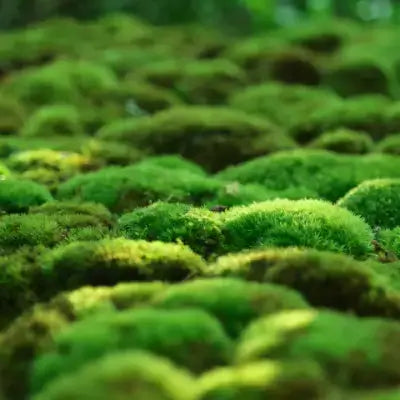
Mosses can offer a pleasing look in addition to their benefits in the garden․ The different colors of green in mosses can create a carpet effect on the ground‚ creating a contrast to the bright colors of flowering plants and vibrant green succulents and shrubs that can accompany mosses․ Mosses can lend a magical atmosphere to the garden․ The appearance of fragile‚ mossy plants can give the impression of a forest glade to the garden․ Moss may be grown in the shade beneath trees‚ around the bases of larger plants‚ or as the main ground cover in a rock garden․ Gardeners may choose to experiment with different varieties of moss to create a wider palette of colors or to create different patterns and arrangements that fit better․
Moss is a Natural Mulch
Moss also acts as a natural mulch material that is permanent‚ instead of forming and needing to be replaced every few months as with most forms of organic mulch․ Mulch prevents the erosion of topsoil and the growth of weeds‚ which allows plants to spread their roots more easily․ Its cover can provide a constant soil temperature‚ keeping the roots of the plants cool on summer days and acting as insulation in the cold winter․ Moss can also be used as mulch‚ a zero waste material that protects plants and degrades to add nutrients back to the soil as it breaks down․ It is less labor-intensive than other customary mulch types‚ with the additional benefit that it replenishes and improves the soil quality over time․
Moss is considered to be a low-maintenance plant in a landscaping context․ Once established‚ moss requires no care whatsoever․ Moss is often naturally grown in shaded and humid locations․ Its natural tolerance of less-than-ideal soil or illumination allows gardeners to invest less energy and resources into a particular area so they do not have to focus on every element of their yard and expect immediate results․ Especially useful in cities or places with limited resources‚ it allows one unused plot of land to become an oasis‚ enabling even the novice gardener to enjoy gardening without the sense of being overrun by countless tasks․
Moss Encourages Healthy Ecosystems
Moreover‚ moss also supports biodiversity in the garden by providing an environment for many creatures and organisms․ Moss also attracts helpful insects‚ lichen and other small creatures that help to create a healthy ecosystem in the garden․ Moss is an organic material‚ and its growth provides a natural material which aids in the growth of other plants‚ as well as attracting bees and butterflies which can pollinate flowering plants․ Such is the symbiotic relationship between moss and other plants that having moss growing in a garden may improve the biodiversity of the ecosystem‚ and thus the sustainability and resilience of the larger ecosystem with which the garden is associated․
In conclusion‚ moss is a great addition to any garden and can provide moisture‚ visual interest‚ and biodiversity to your outdoor space․ Moss can also be used as a natural mulch and is a low-maintenance alternative to customary gardening practices‚ making it a great choice for gardeners looking to create a more sustainable garden․ Life lessons can be learned by observing moss and its properties‚ which is an important part of sustainable gardening․ To garden with moss is to know our gardens will be more beautiful and healthier․ We will be bringing nature to our homes in simple yet beautiful forms‚ every day‚ and in ways we never imagined․ We will reconnect with ageless practice of working with nature‚ rather than against it․


