
The Vital Role of Moss in Ecosystems
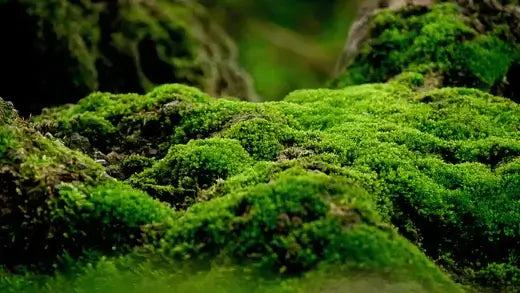
Moss has very specific requirements and will only thrive in certain conditions․ It is not very competitive and will live in shaded areas with high moisture levels․ Most people walk by moss without noticing its importance․ However‚ it lives in the shadow of tall trees or next to a stream: home sweet home․ It not only grows in the area‚ but it plays a critical role in the ecosystem as well․ To understand just how important moss is to the environment helps to support the need for it to be respected and not to be treated like one more thing that just grows in the area․
One of the best adaptations of moss is its ability to stabilize soil‚ as rain can disturb the earth and wash it away‚ creating an imbalance within the moss's ecosystem․ Moss protects the soil by forming a thick mat of tiny leaf and stem plant parts that binds the soil and keeps it from washing away․ Moss grows in shady places because the ground is not exposed to sunlight and water is not lost due to evaporation‚ making it vulnerable to erosion․ Mosses also provide useful function by keeping the soil in place that they are growing on so that the moss creates a more stable environment that allows for other plants to thrive in the same location․ Whether it be on the floor of a forest or the bank of a river․
Why Moisture Retention is Important
Mosses are also well known for their ability to retain moisture‚ and hence make an important contribution to moisture retention of any given area․ Moisture is naturally maintained at higher levels in soil in shaded areas․ These conditions allow mosses to absorb rainwater and oceanic humidity in the air like sponges‚ slowly releasing water that other plants and wildlife can then use․ Moisture retention also helps promote the health of the environment as a whole‚ because many other species are dependent on water availability to survive․ As climate change has caused more droughts and dry conditions‚ moss has become a natural solution to some of the water needs required to keep the ecosystem looking beautiful and thriving․
In addition to helping to hold soil together and retain water mosses are important contributors to the global carbon cycle and act as a carbon sink․ Thus they are important in reducing the effects of climate change because as they photosynthesize they absorb carbon dioxide from the atmosphere․ They also provide shelter and food for a large number of organisms․ The dense mats of moss are hosts to tiny insects‚ amphibians‚ and microorganisms‚ showing the active role that moss plays in the ecology of the shaded forests in which it is found․ Rather‚ its role is vital to the health and the balance of the ecosystem․
How Moss Contributes to Biodiversity
Moss also contributes to biodiversity by acting as a substrate for other organisms․ While small in size‚ moss can influence the type of organisms in a specific area by influencing hydration and providing a habitat․ In turn‚ the presence or absence of the moss may determine the types of insect life present‚ and they in turn will pass on changes from one generation to the next to the birds and other life that feed upon them․ In this way a moss‚ by its presence or absence‚ becomes a locus for diversity․ On each mossy boulder‚ or tree-trunk‚ the collection of life forms finds room to display their conflicting and cooperating natures‚ the interdependence of life․
Mosses‚ with their velvety appearance and their wide range of colors‚ can make shaded places some of the best places in the world to be․ A bed of moss carpeting the ground beneath the boughs of an ancient tree‚ or winding between the stones at the banks of a clear‚ cool stream‚ is the very picture of peace and quiet‚ and invites pleasant thoughts and musings․ Mosses have also been used by gardeners and landscape architects․ The ability of moss to create soothing green spaces is particularly timely‚ as cities grow and natural spaces are consumed․ The strange appearance of moss may be a gateway to a world that is otherwise out of reach․
In conclusion‚ the many advantages conferred by moss in shaded and wet conditions‚ as a soil binder and water-retaining plant as well as a majestic addition to nature‚ cannot be overstated․ Moss is an everyday hero of nature․ In addition‚ mosses may contribute to biodiversity and biodiversity conservation in many ways․ For these reasons‚ and as a core contributor to climate change and habitat loss‚ moss as such is deserving of formal recognition and protection as a key element of the environment in its own right․ And by appreciating this simple but deep plant‚ we understand our connection to this planet and our role to play in preserving the web of life that surrounds us․


