
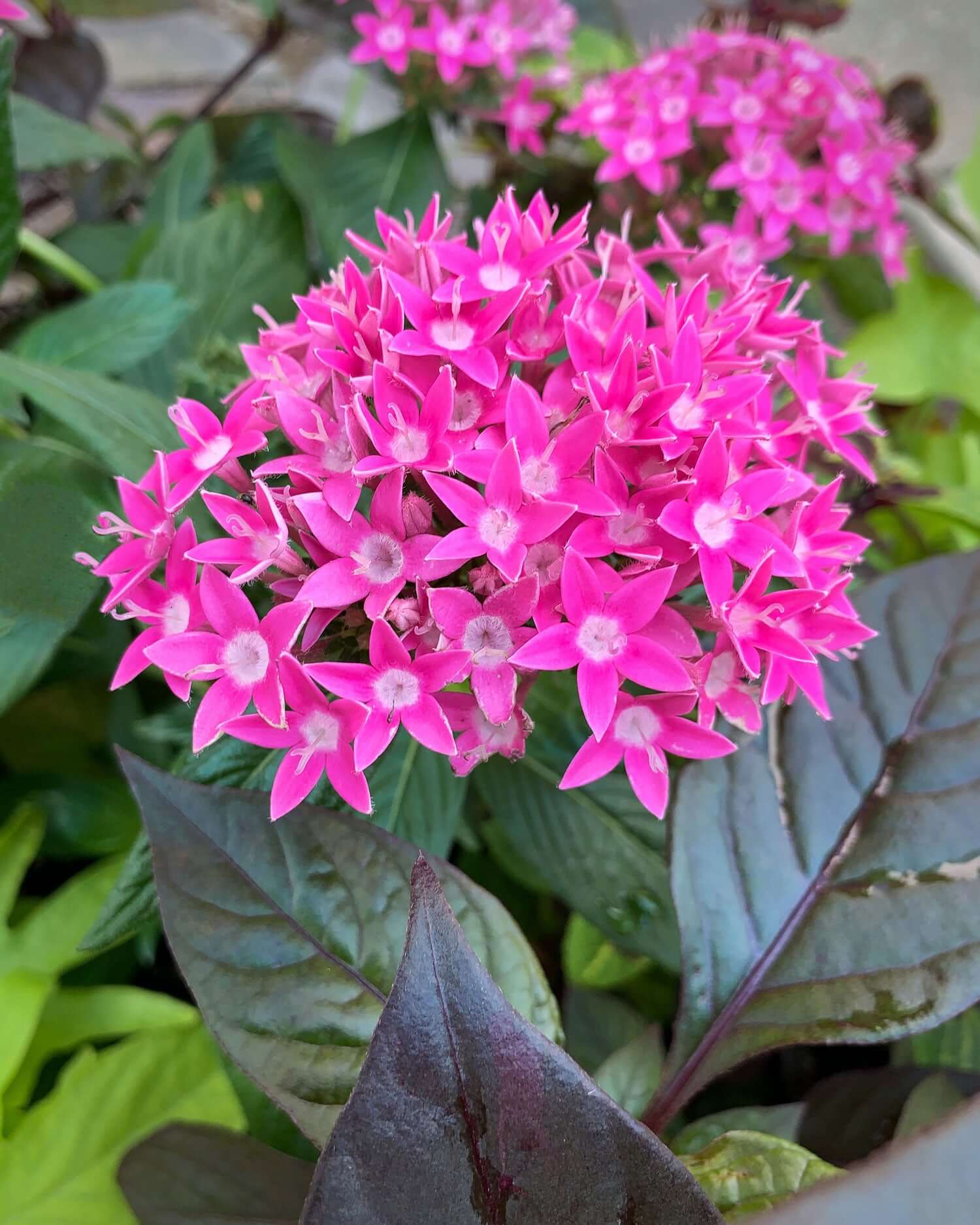
Milkweed Plant for Monarch-Friendly Summer Color
Plant the Milkweed Plant for deep pink blooms, monarch support, and easy summer color. If you want a softer, natural look, this pollinator perennial earns its spot.
Why Milkweed Belongs in a Butterfly Garden
- Sun: Plant in full sun with 6 to 8 hours of direct light for stronger stems and heavier bloom.
- Soil: Milkweed handles average or clay soil best, especially where moisture stays even to slightly moist.
- Watering: Water regularly while it settles in, then keep soil from drying out hard in summer.
- Companion planting: Pair it with moisture-friendly pollinator plants, and avoid aggressive spreaders nearby.
A Pollinator Staple for Butterfly Gardens

Milkweed Plant for Monarchs and Summer Color
If you're planting for butterflies, this is the one we tell you to start with. Our Milkweed Plant brings deep pink summer blooms, feeds pollinators, and gives your garden a more natural look than many best flowering shrubs. Keep in mind that it grows best in full sun and suits meadow-style beds, borders, and open spaces better than very formal plantings.
- Bloom Season: Summer
- Exposure: Milkweed plants thrive in full sun, requiring at least 6-8 hours of direct sunli
- Usage: Pollinator Plant
Best Flowering Shrubs and Companion Plants for Longer Butterfly Color
Around milkweed, these four picks keep the garden active from spring into late summer. You'll get white plumes, glossy yellow bloom, giant hibiscus-style flowers, and lavender-purple clusters that carry the show between milkweed flushes.


How to Grow Milkweed for Monarchs and Summer Color
If you are building a butterfly bed, best flowering shrubs are only part of the picture. We always make room for milkweed plant for monarch-friendly gardens, because it is the host plant monarch caterpillars need and it brings deep pink blooms from mid summer into early fall.
Our Milkweed Plant grows upright to about 35 to 47 inches tall and does best in Zones 3-9. You'll get the heaviest bloom set in full sun, with at least 6 to 8 hours of direct light.
What best flowering shrubs are trending in Milkweed Guide 2026?
For pollinator gardens, native-looking plants are leading the way. Milkweed earns its spot because it feeds monarchs, offers nectar for bees, and keeps color going late in the season when many beds start to fade.
Planting
Plant bare-root milkweed in spring or fall in a spot with full sun. We get the best results in average to moist soil, and it also handles clay better than many summer bloomers.
- Sun: Full sun
- Zones: 3-9
- Height: 35-47 inches
- Use: Pollinator gardens, borders, meadow-style planting
If you want a cleaner layout near paths or patios, use milkweed in drifts instead of single plants. That gives you a softer, natural look without losing structure.
Watering
Water regularly while roots settle in. After that, keep soil from drying out hard, especially in summer heat. Swamp milkweed handles moisture well, so it fits spots that stay evenly damp.
Keep in mind: this is not the plant we would place in the driest strip by a hot driveway unless you can water it during long dry spells.
Pruning
We keep pruning simple. Cut stems back after the season ends, or leave the pods for interest and trim in late winter. If you want pods for dried arrangements, cut them just before they split open.
Pollinator-Friendly Design Tips
Group milkweed where butterflies can find it fast. Three to five plants together work better than one scattered stem. And skip pesticide use nearby, because monarch caterpillars feed directly on the foliage.
If you are planning around garden fencing barriers, place milkweed just inside the fence line where it still gets full sun. For gifting, a plant gift card or gift card for gardeners can help someone start their own butterfly patch with the exact plants they need.
You can also browse our Butterfly Plants and Pollinator Plants collections if you want to build around milkweed's bloom window and wildlife value.
Frequently Asked Questions
How much sun does your Milkweed Plant need?
Our best flowering shrubs list may get the search traffic, but if you want monarch support, our Milkweed Plant needs full sun. Give it at least 6 to 8 hours of direct light each day for stronger stems, richer pink bloom color, and better flower production. If your garden gets only light shade, you may still get growth, but the plant usually flowers less heavily.
When does milkweed bloom, and how tall will it get?
Our Milkweed Plant blooms from mid summer into late summer, and it can keep going into early fall. At maturity, it reaches about 35 to 47 inches tall with an upright habit, so it has enough height to hold its own in a border. If you are planning around other best butterfly garden plants, keep that medium-tall shape in mind and give it room to show.
Does milkweed really attract butterflies and other pollinators?
Yes. This is one of the main reasons we grow it. Our Milkweed Plant is a host plant for monarch butterflies, and its nectar-rich flowers also draw bees and other beneficial pollinators. We suggest skipping pesticide use nearby, because monarch caterpillars need the plant itself, not just the flowers.
Is your Milkweed Plant hard to grow?
Not at all. We ship it as a bare-root perennial, and once planted in full sun, it handles normal or clay soil well. It performs best in average to moist ground. One honest tradeoff: if your site is very formal and tightly clipped, milkweed can look a bit loose. It fits better in naturalized beds, meadow-style plantings, and relaxed backyard spaces with diy outdoor decor ideas.
Can I pair milkweed with other plants from your nursery?
Yes, but placement matters. If you need another pollinator-friendly plant for damp ground, our Goats Beard Plant works in shadier spots, while milkweed wants full sun. Rose Mallow Plant also likes moisture and brings huge blooms, but it grows much bolder and heavier in look. So if you want the cleaner, upright shape, milkweed is the better pick.
How do you ship milkweed orders?
We ship all items with 3 to 4 day ground shipping, and our Milkweed Plant ships as bare-root. That means you should plan to plant soon after it arrives. If you are ordering native plants along with fast growing privacy trees or other landscape pieces, we still pack and ship through TN Nursery using that same ground service.
What is your return, refund, and warranty policy?
We do not offer refunds, and we do not accept returns. We also do not include a warranty unless you purchase an extended warranty at the time of order. If you need help with an order, contact us at customerservice@tennesseewholesalenursery.com or write to Tennessee Wholesale Nursery, 12847 State Route 108, Altamont TN 37301, United States. Look, we want you to know the terms clearly before you buy.
Plant the Best Flowering Shrubs With Milkweed
Ready to finish your butterfly garden plan? Start with our Milkweed Plant for deep pink summer blooms and monarch support, then browse Butterfly Plants for companions that bloom in the same sunny spots.
