
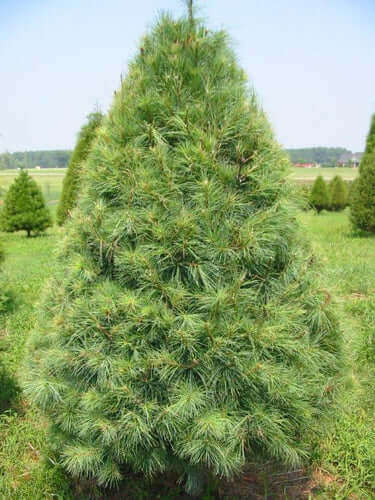
The tall‚ skinny stature and thin needles of the white pine (Pinus strobus) are well known‚ but less common are the historical‚ ecological‚ and cultural associations of this tree with the landscapes in which it is found‚ or where it was customarily found before common deforestation and the spread of agriculture․ To walk among them is to be enveloped by the tales they tell of a long‚ wide-ranging past․ They symbolize the very essence of generational endurance‚ strength‚ and the unshakeable spirit of nature‚ towering as living monuments within the forested domains that provide them sanctuary from the ages․
White Pines Have a Large Role
Historically‚ white pines have played a large role in the development of the areas they grow in․ White pines were greatly revered by Native Americans for their huge usefulness as building material․ Because of their straight‚ tall trunks‚ Native Americans used the wood of the white pine to make canoes and longhouses․ White pine was an important resource to Native Americans‚ who used it for many different purposes‚ an aspect of their culture․ When colonization began‚ the white pines were cut down for lumber‚ and colonial buildings and ships were constructed of pine․ The white pine's history is entwined with North America's; from early colonial years‚ the history of the tree and the continent are tied through mutual dependence․
Ecologically‚ white pines are important to forests‚ providing shade‚ cover‚ and microhabitats for many woodland species from larger animals to insects․ The slow decomposition of the soft‚ slightly acidic needles results in higher levels of soil nutrients‚ and provides the basis for a diverse understory․ White pines also play a role in curbing climate change due to their ability to sequester carbon‚ absorbing it from the atmosphere while releasing oxygen into it․ White pines are also important due to their size which provides habitat for many kinds of birds‚ insects‚ and mammals‚ making them an important member of the forest ecosystem․ This is possible due to the complexity of the association white pines have with other flora and fauna․
White Pines Is A Symbol Of Strength
Many trees are culturally important and white pines have been used as a symbol of strength‚ endurance‚ and longevity․ Within folklore‚ the arts‚ and literature‚ white pines have all been a subject of symbolism‚ representing ideals or cultural values that go beyond their physical presence․ For some they represent a feeling of peace‚ as though they are the trees standing watch over the land․ Many communities have a festival or other local celebration which honors the local pines for their importance․ Thus‚ they have acted as a reminder of the relationship between mankind and nature and the need to protect nature․
In addition to their cultural value‚ white pines provide habitat for local fauna․ Large‚ mature white pines provide nesting sites for birds and perches for raptors․ The bark crevasses provide habitat for small mammals‚ and act as a feeding site for squirrels traversing tree branches․ With such an abundance of seed‚ they provide a continuing food source for many different organisms‚ creating a larger web ecosystem almost solely based on conifers․ As climate change allows for the white pine to adapt‚ it has become one of the more iconic species of tree that shows how human activity and the natural processes of the pine can coalesce into a healthy‚ balanced ecosystem․
White Pines Are Stunning
White pines are also considered attractive trees․ In particular‚ the needles of the branches create a soft green canopy‚ and‚ because of the trees' usual form‚ are useful for framing sweeping views of a skyline․ The colors of the white pines act as a counterpoint to the reds and oranges of autumn‚ and artists and photographers not infrequently try to capture something of the peace and wonder․ In many national and state parks‚ gardens and wilderness areas throughout North America‚ white pines are easy to find where people can sit for a moment and reflect on their surroundings․ They provide a welcome escape from the clamor of modern life and a chance to consider with awe the wonders of nature․
In conclusion‚ this one white pine has been a part of the history‚ ecology and culture of the very property they stand upon․ They are of wide historical‚ ecological‚ cultural and aesthetic value and are one of the best hosts for critters big or small which completes their grandeur and importance․ While we look at these giants that have been spared mortality's bite and are still beautiful and untouched by change‚ this is a day to rejoice in the white pine not only because it is part of history but as an example of endurance and progress and of living in harmony with the continued gifts of nature․ So we are reminded of the strong inter-relationships of all life and our own lives․


