
Exploring Fascinating Facts About Pine Trees
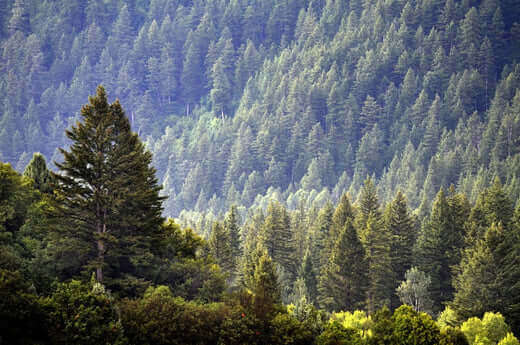
Pines are coniferous trees with long trunks and evergreen needles and are found in forests across the world․ Therefore‚ they often symbolize endurance and overcoming obstacles․ But they are not just pretty to look at․ Pine trees are also incredibly important for the environment‚ with many interesting features and abilities․ Here are the coolest facts about pine trees! From their biological diversity to their unique adaptations‚ pine trees highlight the complexity of nature and the need for the conservation of their forms․
Each of the more than one hundred species of pine has considerable differences in physical character‚ ecology‚ and distribution‚ whether it is the Eastern White Pine's height (over 150 feet or 46 meters)‚ or the pleasingly scented resin and orange-brown bark of the Ponderosa Pine's wood․ Small variations in leaf shape or the size of the seed cones can be attributed to millions of years of evolution in diverse climatic and ecological conditions․ Some are adapted to grow in mountainous areas‚ while others tolerate sandy soils․ Because of this diversity‚ pines are a common sight in parks and large tracts of forests throughout North America‚ Asia‚ and Europe‚ adapting to changing climatic and growing conditions over the ages․
Pine Trees Can Live For Hundreds of Years
Most species of pine trees live for several hundred years‚ although a few‚ such as the Bristlecone Pine‚ can reach several thousand years with an individual tree known to have lived for over 5000 years․ These ancient trees survived many generations of climate and vegetation change‚ not just by chance‚ but because their genetic inheritance and unique characteristics allow them to thrive in a changing environment․ For example‚ some pines have particularly thick bark‚ allowing them to survive fires that also destroy other less adapted plants․ The adaptations of various species make them of interest and highlight the need to conserve the species․
Pine trees have adaptations that allow them to survive in a variety of different environmental conditions‚ including needle leaves that reduce water loss‚ an important adaptation for many species in the drier regions of the world․ The shape of the needles also helps to prevent snow from collecting on and breaking the branches in winter․ Some pines have roots that grow very deep into the ground‚ which help the trees to remain securely anchored and to obtain water at great depths when it is scarce in hot‚ dry areas․ Another adaptation is the production of resin‚ a viscous substance that protects the pine from insects and pathogens‚ thus presenting the pine tree's evolutionary achievement‚ as they have become diversified by adapting to an abundance of environmental conditions and threats‚ with the pine occupying a key position in its environment․
Like all other plants‚ pine trees need photosynthesis to live․ Pine trees have leaves‚ also known as needles‚ which allow the tree to conduct photosynthesis․ The needles of a pine tree are coated in both chlorophyll‚ which uses sunlight to make sugars for energy‚ and wax‚ which prevents the tree from losing water․ By being able to keep both‚ pine trees are able to carry out the photosynthesis process much more successfully than other trees․ Since the surface area of the pine needles is relatively small‚ this allows the pine tree to retain enough moisture to survive the harsh winter months‚ when other trees lose all their leaves․ Thus‚ pine trees are energy powerhouses that make the survival of the trees and countless other life forms dependent upon them possible․
Pine Trees Benefit the Environment
Pine trees also have other ecological roles․ Some of them provide nesting sites and shelter for birds and some provide habitat for other small mammals and wildlife‚ though not all species do․ Pine needles and cones that have fallen on the ground contribute to soils in forests and increase the diversity of understory plant life․ They provide organic material for fungi‚ insects‚ bacteria and other microorganisms‚ forming an ecosystem under the soil․ Pine trees provide many benefits to the environment․ The most important aspect of pine trees is that they also help in the process of purifying the atmosphere‚ by photosynthesizing carbon dioxide and releasing oxygen․ They are important enablers of biodiversity and terrestrial ecosystems․
In conclusion‚ a pine tree is a tough and adaptable tree of ecological importance‚ representing the incredible diversity of species from this conifer family that is found around the world․ With their long lives and versatility to changing environmental conditions‚ they have much to teach us about survival and growth․ As we continue to understand their unique niches in the ecosystems they dominate‚ it is becoming increasingly clear that such powerful giants are vital to the health of forests and the planet․ Whether it be their beauty‚ their ecological value‚ or simply the comfort they provide‚ pine trees are deserving of protection and preservation for future generations․ Each tree bears witness to the resilience of nature‚ the interconnectedness of all living beings‚ and the role we have to play in the natural world․


