
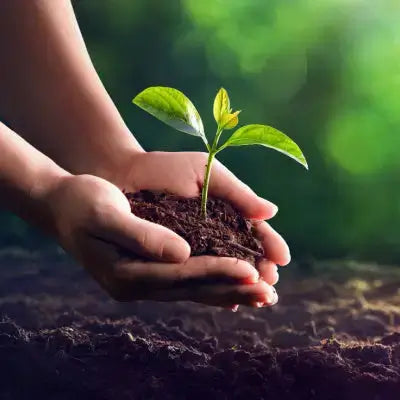
Seedlings are little masterpieces that are the result of observation‚ patience‚ and a little bit of nurturing intuition․ The adventure begins with an unpretentious seed that is full of promise․ In the right conditions‚ this little seed can grow into a type of plant that can nourish‚ please or comfort us in our lives․ When I talk about growing a seedling‚ I mean not just how to grow it‚ but also how to take care of it․ Together‚ these stages from health signals to common pitfalls are a nurturing pathway for guiding the seedling to maturity․
Transplanting Seedlings
Seedlings with specific characteristics‚ like certain colors of leaves‚ can indicate to the gardener that they are ready for transplanting or to receive other care․ Green seedlings are usually healthier․ The stems should be stiff without being too hard‚ and upright‚ and the roots should be thick and may be seen when the plant is nudged out of its original pot․ If you see roots through the drainage holes of the seedling container‚ this may be an indicator that the seedling is due for transplanting․ Look for the signs to determine whether your seedling needs transplanting‚ and ensure the best possible growth by transplanting at the correct time․
Moving seedlings can be difficult‚ but can be worthwhile if properly handled; the seedlings themselves should be handled with care if transplanting is to be a success․ Watering the seedlings to the point of saturation before transplanting helps reduce transplant shock․ When transplanting‚ the seedling should be held by the leaf‚ not the stem‚ which is the most delicate part․ When removing the seedling from the growing container or tray‚ care should be taken to not rip the root ball․ When transplanting the seedlings to another growing container or the planting bed‚ the hole should be deep enough that the roots are not bent or creased․ Fill in the hole around the roots‚ lightly tapping the dirt down without packing it too tightly‚ and then give it a good drink of water to settle the seedling in․
Watering Seedlings
Watering practices influence seedling growth‚ and young plants are sensitive to both over-watering and under-watering at various stages of the developmental stages of growth and development․ Watering is done at the base of seedlings․ Using a fine rose watering can‚ to avoid watering the leaves may be a requirement‚ as watering the leaves may encourage fungal growth on the leaves․ Water regularly after germination as seedlings will not be able to absorb large quantities of water at once‚ so soil should be kept lightly damp‚ moist but free-draining․ This can be achieved by the use of a mixture that will retain some water while allowing it to drain․
Seedlings can be subjected to myriad diseases and pests‚ and careful observation can help prevent and minimize these threats by ensuring they are caught quickly before they become severe․ Other common issues include damping-off‚ in which seedlings give in to the soil-level disease caused by fungus‚ root rot caused by over-watering‚ or insects including aphids and spider mites that suck the plants' juices and‚ in effect‚ steal the plant's food‚ weakening it and increasing susceptibility to other diseases․ Look for abnormalities such as spotting or sticky residue on the leaves and in the soil․ Prevention goes a long way in fighting diseases and pests to keep seedlings healthy․ Give seedlings plenty of airflow and control the growth of fungal diseases with organic fungicides and insecticidal soap․
Seedling Temperature Control
Temperature control is also necessary to growing strong seedlings․ Most seedlings grow best in an environment of 65-75°F (18-24° Celsius) temperature range․ When seedlings are grown in cool conditions‚ they are often stunted․ Excessive heat can cause wilting or even plant death when seedlings are exposed to hot conditions․ Heat mats enable indoor growers to control the temperature of seedlings by providing them with a constant heat source even in cool seasons․ Outdoor seedlings must be planted with frost in mind‚ so they are not exposed to a fatal frost․ Monitoring the temperature is how optimal conditions are obtained‚ as the seedlings need to be placed inside (or in temporary greenhouses) at the correct time․
To sum it up‚ the seed to plant journey requires that you care for your seeds‚ observe your seedlings‚ and care some more․ Learning what a healthy seedling does and does not look like‚ how to transplant‚ water‚ check for disease‚ and control temperature are all part of the process․ A little bit of attention can go a long way․ Every seedling is a living creature with potential growth․ Let us begin this noble work‚ not only with the prerequisite patience‚ but with the knowledge required to nourish our seedlings․ A tiny bit of care and attention devoted today to the needs of our seedlings will result in tomorrow's flowers and a future harvest․


