
Effective Strategies For Plant Heat Protection
Summer is such a beautiful season and has so many advantages for the plants․ But the more the summer comes‚ the stronger the sun gets․ Plants that are exposed to long periods of sunshine and warm temperatures will produce abundant flowers and fruits‚ but high temperatures and continuous heat waves can also be detrimental to some plants․ This will result in wilting leaves and flowers‚ and in some cases even death․ If you want your garden to look great‚ you're going to have to learn how to protect plants from the summer heat․ Our plants are well protected from very high levels of sunlight by using a variety of methods․
Mulch is one of the easiest ways to protect your plants on a hot summer day․ By applying a layer of mulch‚ you insulate the soil around the plants․ Mulching is when a layer of dried organic material‚ such as straw‚ wood chips‚ or grass clippings‚ is spread across the soil surface to keep moisture in and the soil temperature regulated․ These materials take in moisture from the sun and don't let it evaporate as quickly as bare ground‚ so the plant stays moist․ This is especially good for the roots of plants that prefer the same degree of wetness (or moisture)․ By mulching‚ not only do plants become more moist‚ but it also decreases the number of weeds that steal away moisture from the other plants․
In addition to mulching‚ shade cloth can be used to block out some of the sunlight during the summer months․ Shade cloth is available in various densities‚ allowing gardeners to control the amount of light that hits the soil․ Covering a garden or a single plant with shade cloth reduces the amount of sunlight that is received by as much as 50%․ It can also cool and shade plants‚ making it indispensable for tender seedlings that are in the process of hardening off to outside conditions‚ or for plants that sunburn easily․ Shade cloth can also serve purposes of windbreaks and protection against rapid temperature changes․ Building a shaded structure can help create a microclimate that keeps the plant from becoming heat-stressed‚ allowing it to maintain its viability․
Watering Methods to Protect Plants from Summer Heat
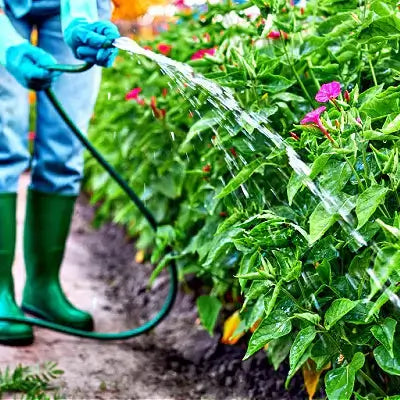
Watering methods are important‚ as well as the amount of water applied in the summer months: it should be deep and infrequent․ This encourages roots to grow deeper and use water that was stored further down in the soil‚ where the air is humid and evaporation is less․ Another commonly used method is to water plants early in the morning or late in the afternoon‚ when they can absorb most of the water before the heat of midday․ Gardens can be watered with a drip irrigation system․ Irrigation systems are used to deliver water directly to the root system to eliminate any waste‚ and watering plants at the right time can help save water as well․ It can also ensure that plants get the right amount of moisture at the optimal time‚ without getting too much water which can cause root rot and other problems․ Correct timing can keep plants going through the hottest days without wilting․
Plants that have been put through heat stress may develop several symptoms of distress‚ though knowing the symptoms of heat stress in plants is a very important lesson for anyone who wants to enjoy a summer garden․ Symptoms include browning of the plant leaves' edges and wilting․ Catching symptoms early means possibly changing your watering patterns or placing some shade over your plants․ Wilting is another sign of heat damage to plants․ Wilting can occur if the plant cannot absorb enough water from the soil while temperatures are elevated․ If you're aware of your plant's needs‚ you can change how you care for them to prevent wilting from heat stress․ This also helps you keep your plants healthy during hot weather․
Choosing Heat-Resistant Plants
Plants that resist heat make all the difference in the world․ There are many cultivars bred to withstand hot‚ dry growing conditions in the garden․ Fortunately‚ the breeders have selected flowers and vegetables that can stand a high temperature․ Plants such as black-eyed Susans‚ heat tolerant tomatoes and succulents have all been bred and selected to be more resistant to high temperatures‚ which makes them easier to maintain when the temperatures are higher․ Plants that don't require as much maintenance during hot summer months can encourage you to plant a greater variety of brighter colored plants to make your garden look its best when the summer months are hottest․ Choosing plants that are heat tolerant reduces the chance of heat stress while creating an inviting outdoor space․
In conclusion‚ keeping your plants cool in the summer heat can be accomplished through mulching‚ the use of a shade cloth‚ watering techniques‚ and heat tolerant plants․ Learning to recognize the signs that your plants are experiencing heat stress can allow you to save them from the summer heat before they get too bad․ If done correctly‚ summer is the season in which your plants continue to grow and flourish․ Your plants will be protected in such a way that a beautiful green world appears‚ full of fascination and warmth․ Your plants will grow and flourish in your green summer center․


