
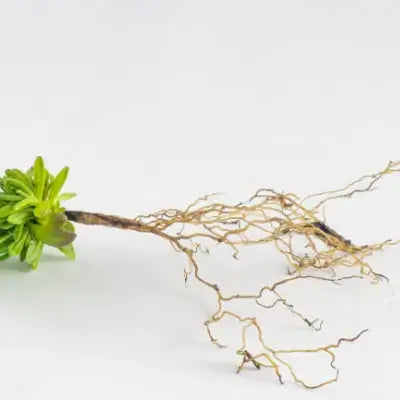
Step-By-Step Guide to Planting Bareroot Perennials
In fact‚ planting bare root perennials allows you to save time and money‚ and gives your garden a more distinctive quality: these plants are literally asleep‚ unable to wake up until the right conditions are in place‚ and are easy to plant and cover․ You will have a garden full of life․ It may seem intimidating at first‚ but bare-root planting is a pretty straightforward process if you follow a few key steps․ In this guide‚ we will take you through how to plant bare-root perennials in easy steps so that you can get your plants off to a good start․
The most important thing for your bare-root perennials is to dig them in the right place․ Many perennials will only thrive under certain conditions; knowing your backyard is important․ Consider how much sun each area of the garden gets throughout the year․ Some perennials flourish in full sun‚ whereas others prefer partial shade․ Many perennials rot or die in very wet conditions‚ as their roots cannot persist submerged in waterlogged soil․ Another good indication is whether or not rainwater collects in the area‚ and if you can give the plant the amount of sun and shade that it requires in that particular place․
Select Good Quality Bare-root Plants
Once a suitable site is chosen‚ the next step is to select good-quality bare-root plants․ Not all bare-root perennials are created equal‚ and it pays to do a little research and buy from a reputable nursery or garden center․ Choose roots that are still solid‚ plump‚ and feel firm․ Mushy roots or dry roots indicate that the plant was not properly prepped before being sold․ You should take the time to look for plants with a good branching structure and plenty of leaves‚ as these will be much better at establishing themselves on their own․
So you've got your plants‚ and you've got your planting location selected‚ but how deep do you plant each of your plants? This isn't a complicated question‚ but how deep you plant your bare-root perennials can make a huge difference in how well they make it․ Most instructions suggest planting to a depth that leaves the crown (the top of the plant and area where the stems meet the roots) just above the soil surface‚ to leave sufficient room for the roots and help prevent them from rotting․ If planted too shallowly‚ the roots of perennial plants may then be exposed to the elements․ Digging a hole deep enough to allow the perennial to be planted at the proper depth will help the plant survive and thrive․
Watering is often overlooked once perennials are planted in the garden․ Fill the holes around the new plants with soil‚ then water thoroughly․ Water should soak down to the newly planted perennials‚ as the new perennials will need plenty of moisture to get established․ This aids in removing air pockets around the roots‚ bringing the soil into closer contact with the roots to allow full saturation․ Continue to keep your bare-root plants thoroughly watered for the first few weeks until they are well established‚ especially if the weather is dry․ Just remember to keep the soil well moistened but not soggy‚ damp soil can lead to other problems down the line․
Prep the Soil for Bareroot Perennials
Preparing the soil before you even think of planting is probably the most important step‚ yet many gardeners often ignore it․ Good soil is not only a good place for plants to grow‚ but an anchor to hold them․ Weed or rake to remove weeds and debris which compete for nutrients and moisture from the ground and aerate it with a spade or leg-powered tiller to allow the penetration of air and water․ Mixing in compost or well rotted manure will help with the structure of the soil and add some nutrients․ Your perennials will benefit from you spending a little time and effort on the preparation of the soil‚ and they will soon settle into their new home․
In conclusion‚ planting bare-root perennials opens a door to experiencing and understanding nature more intimately․ By paying attention to the location‚ considering high-quality plants‚ planting at the right depth‚ watering properly‚ and preparing the soil‚ the foundation is set to create a beautiful and thriving garden․ Then those individual perennials come to life‚ breaking through the surface and filling your space with their splendor reminding you that the best results come with waiting and working and that the beauty of each individual perennial added to your home adds an attribute to make every space your own!


