
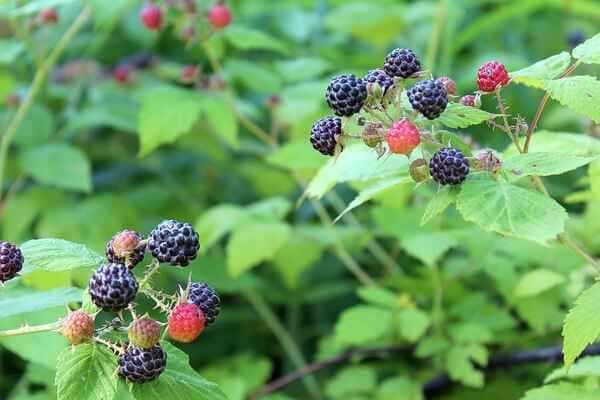
Growing blackberries in the backyard would offer fresh, low-maintenance, and highly productive backyard crops. Blackberry plants growing in gardens produce bountiful harvests for many years with very little care. The knowledge of the soil, sunlight needs, pruning methods, and support systems is the main factor that will help in growing blackberries successfully and enjoying regular harvests. Our years of providing blackberry plants growing in home gardens have shown which ones have the highest yield under regional climates and have flourished.
Things You Should Know Before You Plant Blackberry Plants
Before installing blackberry plants growing in the garden that are successful in growth, there are several critical facts that one has to know about planting them. To understand how to grow blackberries, the first step is to have the right location that has full sun (6-8 hours per day) and soil that is well-drained. The blackberries are adaptable in different types of soils but thrive well in slightly acidic soil (pH 5.5-6.5) that is full of organic matter.
Some of the things to consider before planting include:
-
Sunlight needs: Growing blackberries need full exposure to sunlight to be productive.
-
Drainage of soil: Supply well-drained soil to avoid root rot.
-
Support structures: Trellises are planned before blackberry plants are planted.
- Distance between plants: Keep 3-5 feet of space to allow air movement.
Think about variety selection when growing blackberries. Erect types do not demand high support as compared to trailing ones. Harvesting thornless varieties is easy compared to thorny varieties. Knowledge of the blackberry bush care assists in matching the varieties with the time at hand.
TN Nursery has provided decades of home garden growing stock of blackberry plants. We have seen that site preparation has a significant positive effect on the success of establishment. An excellent source of information on the botany of blackberries can be found in the Wikipedia article about blackberries, with its elaborate scientific bases.
The Greatest Berry Plants to Grow with Blackberries
Growing blackberries with other species of berries gives varied harvests all through early summer to fall. Planting of companion crops with other types of berries offers diverse tastes and dispersal of harvesting periods.
Blackberry Plant
Traditional blackberry (Rubus spp.) bearing large and sweet blackberries during the summer. The Blackberry Plant shows the growth of healthy blackberry plants with due diligence.
Dewberry Plant
A trailing shrub (Rubus trivialis) that grows blackberry-like, sweet berries, which are ready earlier in the season. The Dewberry Plant is also a complement to the growing blackberries, as it increases the time of harvest. It is an exceptional companion of blackberry plants that grow in gardens.
Elderberry
This is a native shrub (Sambucus canadensis) that bears dark purple berries as preserves. Elderberry is 8-12 feet high, with growing plantations of blackberries.
Grapevine
This is a productive vine (Vitis spp.) that produces fresh table grapes. The grapevine complements the growing areas of blackberry plants that have vertical growth habits. It needs equivalent methods of caring as the blackberry bushes do.
Elderberry Live Stakes
The cuttings of elderberry that are planted in wet soil have roots. Elderberry Live Stakes grow readily in popularity with the increasing number of blackberries.
Simple Techniques for Establishing a Successful Berry Garden
Successful planting and support procedures are necessary to have blackberries grow into successful berry gardens. How to grow blackberries effectively implies proper preparation of soil, which implies compost of 2-3 layers, which should be prepared and ploughed in planting sites.
Follow these proven steps:
- Get ready, planting areas. Blackberry plants require root balls that are twice the width of the hole in which they will grow. Mix compost 50:50 with native soil. Plants should be placed in the same depth as nursery containers.
- Install support structures: Plant trellises prior to the attainment of 2 feet in height of canes on blackberries and vertical posts (5-6 feet) and horizontal wires (2-3 feet) on them. Fruits, when well supported, will not touch the ground and rot.
- Mulch where appropriate: Mulch blackberry plants' growing base. 3-4 inches of wood chip mulch. Mulch and keep canes wet to prevent rot. Mulch keeps moisture and holds back weeds.
- The growth of blackberries in containers: Work with 15-20 gallon containers with holes. Plants that grow in containers need watering on a higher frequency as compared to those planted in the ground.
Easy Ways to Keep Blackberry Plants Healthy and Growing
To keep blackberry plants growing, one has to maintain them by ensuring that there is regular care for the plants, such as watering, fertilizing, and trimming them. Blackberry bush care involves frequent watering of the plants when they are developing fruit. Regulated moisture level in the ripening of the berries prevents them from shrivelling and enhances taste.
These are some of the best practices to follow:
-
Water always: Keep blackberries moist to achieve fruitfulness.
-
Fertilize at least once a year: For Blackberry plants growing, apply compost or balanced fertilizer in early spring.
- Pruning: Prune the old canes after the harvest based on the guidelines for growing blackberries.
Knowledge about blackberry bush care involves pruning properly. Eliminate fruited (second-year) canes right after picking—they won’t fruit anymore. Cane 4-6 strongest per plant, thin, first year. This focuses energy on fruitful channels.
Growing blackberries in containers will need extra care in terms of watering and fertilizing them. Monitor soil moisture during summer (2-3 times a month). Their root systems have the advantage of sustaining useful mycorrhizal fungi as they decompose leaves to enhance organic matter.
Conclusion
Successful cultivation of blackberries yields fresh fruit and offers pleasing gardening without a lot of continuing maintenance. Growing blackberries would only be successful when there is knowledge of how to grow blackberries by ensuring that they are planted in the right location and have the proper support and care techniques for blackberry bushes. TN Nursery has experience over decades and has quality plants among them, such as Blackberry Plant, Dewberry Plant, elderberries, grapevines, and Elderberry Live Stakes. Depend on TN Nursery for growing blackberries in containers or on the ground.
FAQs
What fertilizer is good for blackberries?
Application of compost or balanced 10-10-10 fertilizer in early spring is sufficient to give the growing blackberry plants the necessary nutrition and make them fruitful.
How many years does it take for a blackberry bush to produce fruit?
The growing blackberry plants produce light crops during year two, after which maximum production commences in year three, after proper care of the blackberry bushes.
How do you raise blackberries?
Grow blackberries by planting in full sun in well-drained soil, planting supports, watering on a regular basis, and also pruning during the growing season, as per the instructions on how to grow blackberries.
Does the blackberry come back every year?
Yes, the growing blackberry plants are perennials and repeat year after year. When they are well taken care of, blackberry bushes bear fruit for 10-15 years or more when they are properly tended to.
Where is the best place to plant blackberries?
One should plant blackberries in full sun with well-drained, slightly acidic soil, based on the principles of site selection for growing blackberry plants.
Do blackberries need a lot of water?
Blackberry plants need consistent moisture, especially during fruiting.
Are blackberries difficult to grow?
No, growing blackberries is easy for beginners, with our blackberry bush care instructions sent with every order you place.


