
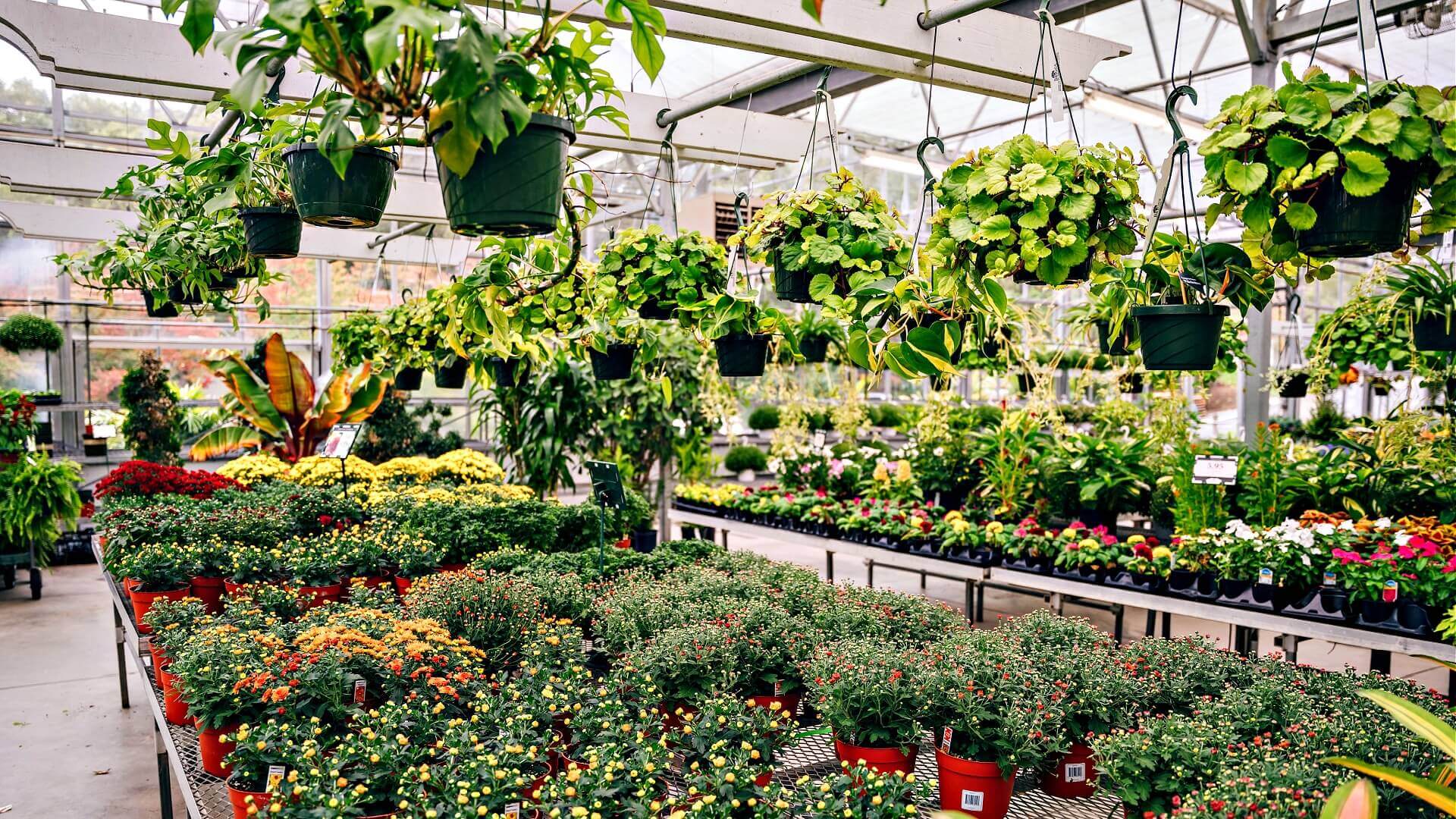
How To Find The Best Plant Nursery For Your Garden
The best nursery for you is one that grows healthy plants that do well in your area‚ has employees who can answer real questions‚ and has a guarantee on every plant you buy from them․ A plant may look fine in the store but fail to flourish when it moves into your yard‚ for instance because it was not suited for the zone in which you live or was not handled properly on the way home․
Tennessee gardeners have a greater variety of growing conditions than gardeners in any other state‚ and gardeners live in USDA hardiness zones 6b to 8a‚ depending on location․ The Nashville basin has mostly clay soil‚ while East Tennessee has rockier soil․ For one‚ they’ll have no idea that they’re increasing the humidity․ Overall‚ a nursery that doesn’t recognize these differences is going to sell you plants that may not prosper no matter how well you care for them at home․
Start With Your Actual Growing Conditions‚ Not Just a Wish List
The first thing you want to know before you go to a nursery website‚ or you get in your car is what your zone is and what your site conditions are․ Full sun? Partial shade? Or maybe they get a little bit of morning light and the afternoon sun just pounds down on them? What are your soil conditions‚ sand‚ clay or something in between? These may be the most important details to get right․ A good nursery will ask you the same questions․
Now that your conditions are taken care of‚ make a preliminary list of what you’d like to plant‚ be it border perennials‚ groundcover‚ or shade gardens under your trees‚ or a native pollinator garden․ It doesn’t have to be a landscape plan‚ but knowing what you’re looking for helps you weed out the stock that’s what you need and not just what the nursery thinks will sell this season․
Look at the Plant Health First
When first entering the nursery‚ avoid looking at price tags and look for healthy plants․ Leaves should be of good color and not have any yellowing or brown edges․ Aphids‚ scale and spider mites may be on the underside of the leaves‚ and infestations can spread rapidly once a plant is brought indoors․ The roots can also be examined․ If a nursery allows you to tip the pot‚ check that the roots are white or tan and distributed evenly‚ not brown and mushy or tightly circled (rootbound)․
Soil is something that far too many buyers overlook‚ but it tells you a lot about the way a nursery is run․ Plants grown in soil that is depleted or compacted are less resistant to disease and slower to establish themselves in your garden․ You should ask them what they use for potting soil and whether they test their soil․ If they can answer these questions quickly and without hesitation‚ they are likely serious about the well-being of all their plants․ TN Nursery grows much of its perennial and native stock in soil that has been amended into a soil medium that drains well․ This is important because Tennessee clay can hold water long enough to rot roots if the growing medium is not proper‚ and that’s the difference between a nursery you can trust‚ and one that merely stocks inventory․
Talk To The Staff Like You Would a Specialist
Ask nursery employees more than the price and name of a plant․ Ask something technical like‚ “How much water does this plant need in its first month after planting?” Or ask‚ “Will this survive a Tennessee winter without mulching?” If you get a shrug or a vague answer‚ that’s a store where you don’t want to shop․ Well-trained staff know the mature size of stock‚ sun requirements‚ blooming times‚ common problems‚ and so on‚ and can answer questions․
Some plants are more long-term than others‚ however․ Your five-gallon maple tree may not reach maturity for another 15 years‚ and it will be important to get the sizing‚ and the sun and soil pH right from the start․ Perennials are less critical since you can often move them the following year if you’ve put them in a spot that isn’t ideal‚ but even then‚ knowing if something will spread aggressively (like mint family plants) or not can save you a headache two summers down the road․
Ask about guarantees and aftercare support․
Good nurseries usually offer a warranty of between 30 days and 1 year‚ depending on the type of plant․ Larger trees may‚ however‚ be less likely to be guaranteed because of transplant shock․ Ask what is guaranteed (if anything)‚ and whether proof of purchase or care (like pictures) will be required if the plant dies․ This alone weeds out a ton of nurseries that sell plants and disappear from the relationship the moment the sale closes․
In addition to the guarantee‚ does the nursery provide planting tips and later care advice? Or do they provide any landscaping consultation? This support is important for a new gardener because it can mean the difference between a successful bed and a disappointing first season․ Some nurseries are notorious for charging a lot to help with the design‚ while others offer basic advice free with purchase‚ if asked․
Consider not just size‚ but also specialty
A larger nursery may have a greater selection‚ so you don’t have to visit two or three different places to get everything from groundcover to shade tree․ A smaller‚ specialty nursery may carry native plants that are hard to find‚ interesting perennial cultivars‚ or plants for special needs like rain gardens or high deer-pressure areas․ Neither of these is intrinsically better than the other; it depends what you want․
If you intend to incorporate pollinator gardens or native plants into your Tennessee garden‚ ask if the store propagates natives onsite or resells nursery-grown ones from other states․ Onsite-grown natives are more likely to acclimatize to Tennessee soil and climate because the nursery grows and watches the plants through Tennessee’s seasons․
The Bottom Line
The best plant nursery is not the biggest or the closest‚ but the one that grows quality stock‚ sells plants suitable for your zone‚ employs people who know their plants‚ and stands behind what it sells․ Do the legwork before you buy: inspect the soil‚ ask hard questions‚ and become familiar with what a true nursery does․ Never settle for a nursery that treats your purchase as the end of the conversation instead of the start of it․


