
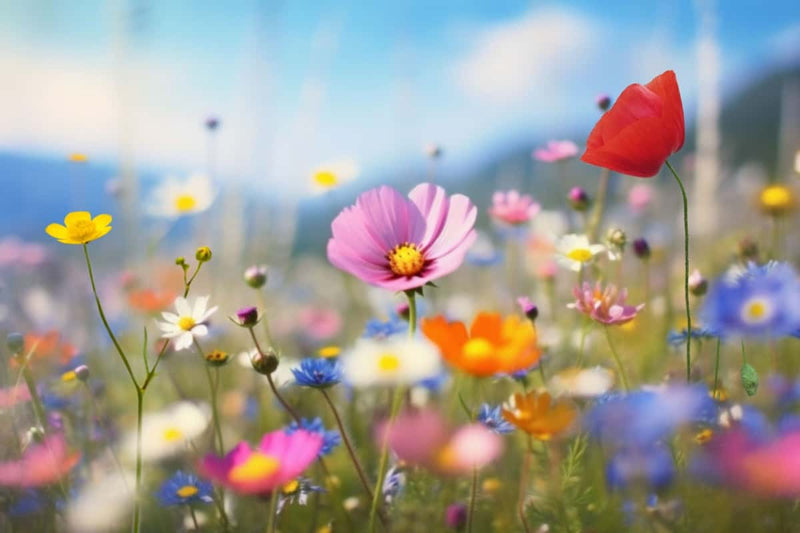
Butterfly garden plants make any available outdoor space a colorful and moving place through the presence of plants. Butterfly-friendly plants support the whole process of the butterfly—they feed the butterfly on nectar and provide a place where the butterfly caterpillar may rest and be protected in all seasons. The properly designed gardens, in general, attract insects and increase biodiversity and allow for enjoying the peaceful nature. We already have experience at TN Nursery in terms of supplying pollinator plants, and we learned about the species of plants that were most reliable to reach the objective of assisting butterflies in Tennessee landscapes.
What Makes a Garden Truly Inviting for Butterflies?
A garden must provide butterflies with four items, namely, sources of nectar, egg-laying host plants, wind protection, and water. Butterfly garden ideas that take into account all four of the requirements will be far more appealing to a greater number of species of butterflies and will also allow them to spend increased periods in the garden when it is in growing season.
Butterfly-friendly plants planted in pure sun absorb power in this way, and by daybreak, early butterfly flight is promoted in the garden. Pesticides should be done away with in any way possible because the application of pesticides kills caterpillars and good insects that will support the butterfly garden plants.
We also leave the flat stones where there is a lot of sunshine, and there the butterflies have a warm rest between the flowers they have. A shallow dish of damp sand enriched with minerals and moisture that most butterfly garden designs do not take into account, but the butterflies take active pains to seek out in the season. Planting nectar plants along with native host plants has been actively proposed by TN Nursery as the most biodiverse and active butterfly garden plants in Tennessee. The biology and behavior of butterflies in garden settings are well covered in articles on butterflies.
Best Plants for a Butterfly Garden
Butterfly garden plants introduced in Tennessee are the most stable and are the ones that provide consistent results since they have co-evolved along with the local butterflies. They are among the best butterfly-friendly plants suited to be incorporated in Tennessee with the dream of establishing successful butterfly habitats.
Solomon's Seal
It is a beautiful native perennial (Polygonatum biflorum) that also grows on a suspended long stalk, unusual for generating crystal bell-shaped white blossoms in dark parts of the garden. garden. The Solomon's Seal, measuring 2–3 feet tall, has the pivotal effect of providing food to the butterflies (nectar) and shelter in shady butterfly garden designs where other species that are susceptible to sun are absent.
Wood Poppy
This is a native perennial shrub (Stylophorum diphyllum) of wood, which produces bright yellow flowers in the early spring until the summer ends, on the damp, shady sides of gardens, in the borders. The Wood Poppy is 12–18 inches tall and is a very valuable source of early nectar to the growing butterflies when the butterfly garden plants are not yet ready to unfold their winter slumbers.
Blue Flag Iris
It is a strong native perennial (Iris virginica), which grows in late spring in dense, sunny gardens and borders of rain gardens and has bold purple-blue flowers. The Blue Flag Iris is 2–3 feet in height and is also trustworthy to attract various types of butterflies because it does not start or end blooming fast. It is also among the most aesthetically dramatic butterfly-friendly plants in the designs of Tennessee pollinator gardens.
Larkspur Delphinium
It is extremely regular, a kind of flowering perennial (Delphinium elatum) growing in large, mountainous blue spikes, and it is attractive to bumblebees, hummingbirds, and butterflies. The Larkspur Delphinium is a 3- to 6-foot plant bringing dramatic color vertically onto the mixed butterfly garden designs in summer seasons. It is among the most aesthetically dramatic butterfly garden plants that may be introduced in Tennessee's borders.
Foam Flower
This is a white, feathery flower that grows in damp and shady areas in the garden as a native plant (Tiarella cordifolia), which blossoms from the spring till the onset of summer. The Foam Flower is a short perennial (6–12 inches) plant and blooms early, making it a source of nectar and food to fluttering butterflies when there is no other food available. It has a superior approach to growing a garden in Tennessee woodland surroundings as part of how to make a butterfly garden.
Step-by-Step Guide to Creating a Butterfly Garden
Knowing how to make a butterfly garden has to be taken into consideration before an object can be placed upon the ground, which includes the choice of the location and the proper layering of plants. Two steps are taken drastically in the enhancement.
- Select a sunny spot: Butterfly garden plants require a minimum of 6 hours of direct sunshine per day. Southern and west-facing beds bordering the house heat the fastest and are the busiest most of the day.
- Prepare soil: Soil should be ready with organic compost prior to planting. The soil is also deep and therefore helps in keeping the roots healthy, good soil-existing organisms, as well as reducing the growth period of all the butterfly-friendly plants of interest.
- Layer heights: The tall butterfly garden plants, such as Larkspur and Delphinium in the back, and the low Foam Flower and Blue Flag Iris in the front, will bring the effects of the butterfly garden designs by adding depth to the layers and keeping an unending view of the flowers.
- Add water: Prepare a shallow dish with pebbles and water beside the butterfly garden. The other requirement is that butterflies should regularly have water touch them, especially in Tennessee's hot summers.
How to Design a Garden That Supports the Full Butterfly Life Cycle?
Butterfly garden ideas should be constructed in a way that accommodates the entire cycle of the butterfly life so that it can accommodate a considerable number of species and also keep the butterfly at the location so that it will breed and reproduce on a season-to-season basis.
- Add host plants: Butterflies do not lay their eggs on any host plant. The garden will aid in reproduction and not feeding because it will integrate a variety of host plants in the conception of butterfly garden ideas alongside nectar plants.
- Extend bloom season: Choose the flowering butterfly garden plants to bloom throughout the spring to late fall season so that the nectar can be offered to the butterflies throughout their life cycle.
- Leave leaf litter: Fallen leaves form masses of pupae of butterflies in them. Among the best ways to make a butterfly garden is to leave some natural rubbish during the winter so that the populations that arrive every spring come back.
- Remain chemical-free: There will be no pesticide use, including organic, that will ruin the caterpillar populations, which are supposed to be maintained by planting butterfly-friendly plants. The work on butterfly garden designs will not be productive without chemical-free gardening.
TN Nursery suggests that primary, mid-, and late-season butterfly ---garden plants are to be mixed with specific host plants in the direction of the most biodiverse and fruitful butterfly habitat in Tennessee gardens.
Conclusion
Butterfly garden plants will add energy, color, and environmental sustainability to any Tennessee outdoor environment. Butterfly-friendly plants belong to proven stock of different regions and assist the whole life cycle of butterflies with a minimum of maintenance. TN Nursery offers trusted quality plants, including Solomon's Seal, Wood Poppy, Blue Flag Iris, Larkspur Delphinium, and Foam Flower—all proven to create thriving butterfly habitats across Tennessee.
FAQs
What plants attract butterflies the most?
Two of the most effective butterfly garden plants, which are used to attract and keep wide varieties of butterflies all season long, growing in Tennessee are Blue Flag Iris and Larkspur Delphinium.
How do I start a butterfly garden for beginners?
Beginners can start a butterfly garden by choosing the right location, amending the soil with compost, and planting a combination of nectar and host butterfly-friendly plants.
Do butterfly gardens require a lot of maintenance?
No—most of the butterfly garden plants require no more than a little watering in the garden and a little shedding and subdivision here and there after they are planted, as they adapt to Tennessee landscapes.
Can butterfly gardens work in small spaces?
In fact, despite such small areas with shading effects, small sites with Foam Flower, Wood Poppy, and Solomon's Seal may create breeding places for the butterflies.
How do you build a garden to attract butterflies?
The height of the plant layer determines the butterfly garden designs; host plants with nectar species are maintained throughout the garden, and no pesticides are to be found in the garden.
What is the best time to plant a butterfly garden?
It is preferable when the seasons are early spring and fall since the weather is mild enough, allowing the root to form butterfly-friendly plants until the season changes.
Where is the best place to put a butterfly garden?
The majority of butterflies grow in garden plants in Tennessee landscapes that must have a south or west garden border and have a windbreak.
Where can I buy butterfly-friendly plants online?
TN Nursery is the supplier of quality butterfly garden plants online that are claimed to maintain healthy Tennessee butterfly habitats.


