
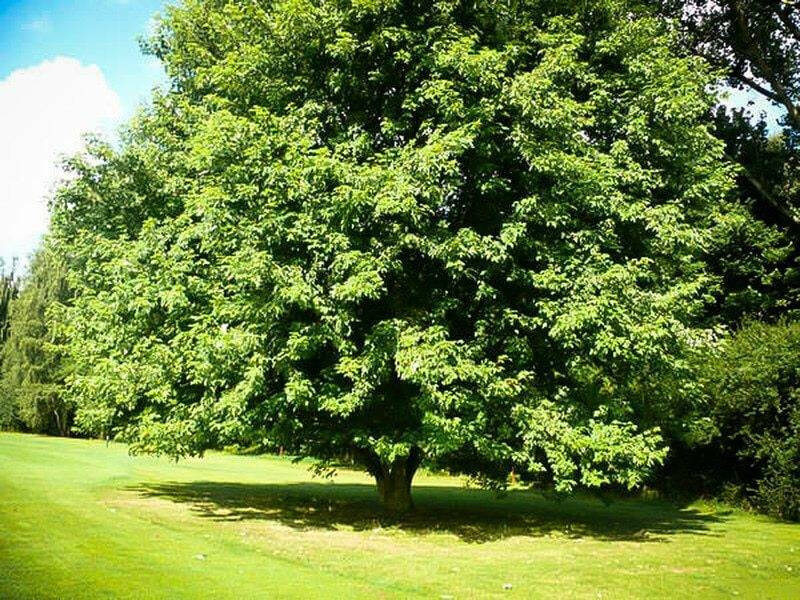
Planting a maple is one of the best ways to bring shade, structure, and seasonal color into your landscape. But while maples are known for their beauty and hardiness, the first year after planting is when they need the most attention. A young tree is still settling in, and simple missteps like overwatering, poor drainage, or planting too deep can slow its progress.
Newly planted maple tree care is fairly straightforward when you focus on the basics. Consistent watering, proper mulch placement, and attention to early stress signs will help your tree establish strong roots and adjust to its new home. If you want broader background on why these trees remain such reliable landscape picks, our guide to the advantages of maple trees is a useful companion read, and our overview of planting a tree covers the mechanics that apply before this guide picks up.
At TN Nursery, maples remain a favorite for homeowners looking for long-term beauty, dependable shade, and standout fall interest. What follows is what your newly planted maple needs most during its first growing season.
The Basics of Maple Care After Planting
When you plant a maple, you set the stage for decades of beauty. For now, root establishment matters more than pushing fast top growth. The core priorities are straightforward:
-
Watering consistently and wisely
-
Applying mulch to protect the root zone
-
Favoring the right soil conditions
-
Preventing early stress
Even healthy nursery stock can struggle after transplanting. Common challenges include transplant shock (trees can drop leaves while adjusting), uneven soil moisture, summer heat stress when watering is inconsistent, and planting at the wrong depth. Settling into a steady routine early helps your tree build healthy roots for the long haul.
Planting Conditions That Set Maples Up Well
The right planting site has a lasting effect on your maple's health, color, and longevity.
Full sun or partial shade both work, but more sun usually means better fall color. Just avoid all-day blazing sun in hotter climates, since young trees can scorch. Good airflow helps prevent fungal issues. Ideally, keep some distance from walls, fences, and power lines to give the future canopy room.
Soil matters just as much as sunlight:
-
Well-drained soil is non-negotiable. Soggy ground leads to root rot.
-
Know your soil type. Sandy soils shed water quickly, so check moisture more often. Loamy soils absorb water more evenly and support steady root development.
-
Set depth correctly. The root flare (where trunk meets roots) should sit at or just above ground level.
-
Dig wide, not deep. The planting hole should be two to three times wider than the root ball, but never deeper. That lets roots branch out into native soil without drowning.
For a deeper look at the full list of trees worth considering alongside maples, our guide to the best trees for home landscapes covers the broader picture.
How Much Water a Newly Planted Maple Needs
Watering is the most critical piece of newly planted maple care, and mistakes here cause more problems than almost anything else.
What deep watering means. Soak the entire root zone so moisture reaches the bottom of the root ball and a few inches into the surrounding soil. Shallow daily watering only wets the surface, which trains roots to stay near the top where they're vulnerable to heat and drought.
A rough schedule.
-
First two weeks: water every two to three days, more in hot or dry weather.
-
First two to three months: once roots begin exploring native soil, water thoroughly once per week.
-
Hot spells: water more often, but check the soil before adding more.
-
Rainy stretches: skip watering if the soil feels damp two to three inches below the surface.
Check before you water. Stick your finger or a trowel three to four inches down near the root zone. It should feel cool and barely moist, not muddy. Dry topsoil alone doesn't mean the roots need water, and soggy soil can suffocate them entirely. Yellowing leaves, wilting, or brown scorch along the edges can signal either extreme.
Adjust for your region. Cooler climates need less frequent watering, but don't neglect early spring dry spells. Hotter climates call for deeper soaks, more frequent checks, and sometimes light afternoon shade for very young trees. Always err toward consistent moisture rather than extremes.
Different maple varieties also have slightly different needs. Silver Maple grows quickly and uses moisture faster, so it benefits from closer monitoring in hot weather. Sugar Maple responds best to even, steady moisture and is less forgiving of extremes. Red Maple is generally the most adaptable of the three but still appreciates a consistent routine during its first season.
Mulch Protects the Root Zone
Organic mulch is one of the simplest and most powerful tools for supporting a young maple. A good mulch layer helps retain moisture, regulates soil temperature against extreme heat and cold, reduces weed competition, and shields the developing root system from mower and trimmer damage.
Use wood chips, shredded bark, or similar material. Spread it in a wide ring about two to three feet out from the trunk, and keep mulch a few inches away from the actual base of the tree. Piling mulch against the trunk promotes rot and attracts pests. Depth should be two to three inches; any more traps excess moisture and can suffocate roots.
For a deeper look at mulch technique beyond what a young tree needs, our guide to mulching covers the why and the how in more detail.
Early Signs Your Maple Is Stressed
Some adjustment is normal, but watch for these red flags:
-
Leaf scorch (crispy brown leaf edges)
-
Drooping or wilting leaves
-
Yellowing or unseasonal color changes
-
Slow or weak new growth months into the season
-
Dieback at the tips of twigs
These symptoms can point to drought stress, poor drainage, excessive heat, or incorrect planting depth. A little leaf drop after planting, especially during hot or windy stretches, can be normal as the tree adjusts. But any of these signs lingering for weeks should prompt a closer look at your water and site conditions. Most early-season problems resolve once the basics are corrected.
Fertilizer in the First Year
The urge to feed a new tree is common, but restraint is usually wiser. Newly planted maples benefit most from root building, not a rush of nutrients that pushes weak, sappy growth.
Skip fertilizer right after planting, especially if the tree appears stressed or is dropping leaves. In poor soil, it's still better to wait out the first growing season with good soil moisture and mulch.
If you feed, wait until the tree stabilizes in mid to late summer. A light, balanced, slow-release fertilizer at half strength, applied just once during the first year, is plenty. Overfeeding forces shoot growth before the roots are ready to support it, which creates more stress rather than less.
Pruning and What to Leave Alone
Heavy pruning is rarely needed on a newly planted maple and can actually slow recovery. Stick to:
-
Removing dead or damaged branches on arrival
-
Cutting out any clearly broken, torn, or split shoots from shipping or transplant
Save shaping cuts, crossing-branch cleanup, and structural pruning for the first or second dormant season. Every leaf a young tree can support is fueling root development through photosynthesis, so preserve as much healthy canopy as you can during year one.
Watching for Pests and Disease
Young maples are tough but more vulnerable while they adjust. Stress from poor watering or recent transplanting makes trees easier targets for common issues.
Keep an eye out for chewed leaves or holes (often caterpillars or beetles), faint speckling or sticky residue (usually aphids), and leaf spots or patches of powdery white or gray growth (possible fungal disease, especially in wet sites).
Most issues are easier to prevent than treat. Consistent soil moisture, good air circulation, and avoiding overwatering handle the majority of them. When problems do appear, small interventions usually work best: removing a few affected leaves, or rinsing aphids off with a gentle spray. Resist jumping to chemical treatments unless the problem persists.
Seasonal Care Through Year One
Early spring. Plant while the tree is still leafless if possible. Water deeply after planting and apply mulch before the soil heats up.
Late spring to early summer. Monitor soil moisture during flushes of new growth. Watch for early leaf scorch or wilt.
Summer heat. Check soil moisture more often. Renew mulch as needed. Consider shade cloth or early-morning irrigation for very young trees in extreme heat.
Late fall. Taper watering as temperatures drop. Clear weeds and inspect the mulch ring for winter protection. Let the tree go dormant gradually.
Young trees are far more affected by rapid weather swings than mature ones, so stay attentive through the transitions.
Choosing the Right Maple for Your Yard
The three most popular maples for home landscapes each bring something different in the first few years, and the right choice depends on what you want from the tree.

Silver Maple is the pick for fast shade in larger spaces. It's among the fastest-growing shade trees, putting on three to seven feet a year, with a wide, arching canopy and silvery leaf undersides that flash in the breeze. It's adaptable across USDA zones 3 to 9 and delivers strong yellow-to-red fall color. The trade-off: that vigorous growth means higher water demand in its first year. Our guide on the elegant Silver Maple goes deeper on what makes it stand out.

Sugar Maple is the classic long-lived tree with a tall, upright habit and blazing golden-orange and red fall color. It's a reliable food and shelter source for native pollinators, birds, and butterflies. Sugar Maples prefer rich, well-drained loamy soils, cooler climates, and room to mature, so don't crowd the root zone. They settle in more gradually than the other two and reward patience with classic structure. The Sugar Maple care and planting guide walks through what to expect as it matures.

Red Maple sits in the middle and is the most versatile of the three. Scarlet fall foliage, red spring buds, winged seeds, a lush summer canopy, and distinctive winter bark give it four-season appeal. It handles varied soils, including heavier clay with some drainage, and fits suburban and rural landscapes equally well. Growth is steady and fast without being unruly. Monitor moisture closely in warm regions, since active top growth can raise water demand during establishment. The Red Maple FAQs answer the most common questions about planting and care.
For broader context on maples as a group, our page on maple trees facts and information pulls the background together in one place.
Mistakes to Avoid
A few recurring errors account for most young-maple failures:
-
Planting too deep. The root flare should always sit at or just above soil level.
-
Shallow, frequent watering. Surface sprinkles leave deep roots dry. Soak less often instead.
-
Ignoring drainage. A soggy spot means trouble from day one, so test before digging.
-
Mulch piled against the trunk. This traps moisture at the base and invites rot and pests.
-
Fertilizing too soon. Wait for signs of healthy establishment before feeding.
-
Wrong sun exposure. Maples need enough sun for healthy growth and color, but deep shade or full-day unfiltered sun in hot regions will stress them.
What Healthy Establishment Looks Like
As the season progresses, set realistic expectations. A healthy first-year maple shows leaves stabilizing a few weeks after planting, with minimal drop once roots start working. New growth will be modest but steady, not dramatic. Wilting, yellowing, and browning should become rare rather than recurring. Soil should stay evenly moist rather than swinging between puddled and hard-dry. The tree should feel sturdier and less fussy as roots spread into native soil.
A successful first year is measured in root development, not canopy size. That's the foundation for decades of color, shade, and resilience.
Caring for a newly planted maple really does come down to supporting roots, watching for early warning signs, and resisting the urge to fuss too much or too little. Get the basics right in year one, deep watering, smart site selection, and proper mulching, and the rest of the tree's long life takes care of itself.


