
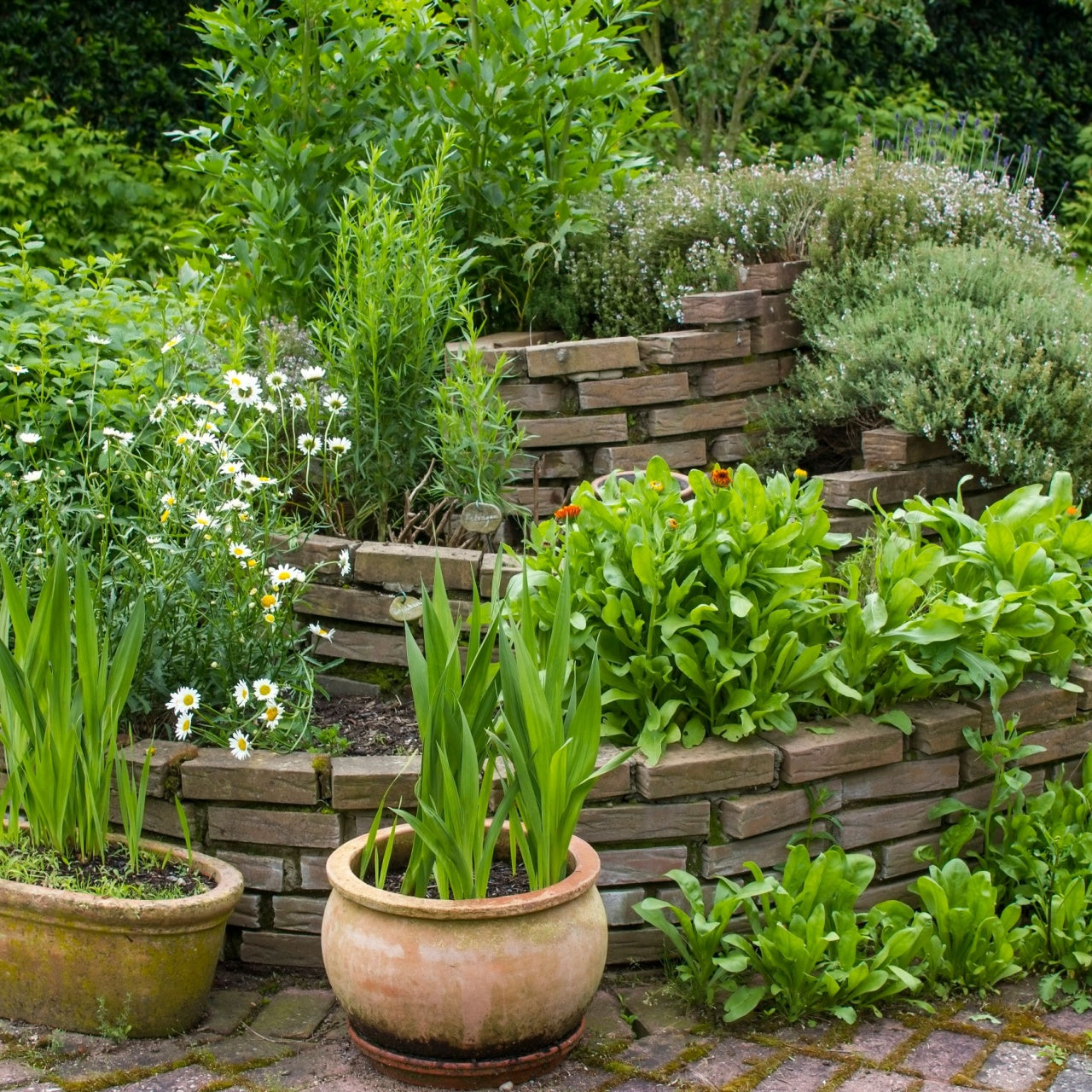
The native plants provide natural support to the local ecosystems by adapting to the local climatic conditions, enhancing soil health, water conservation, and other vital habitats for wildlife. These locally adapted species bring back the ecological equilibrium, and they enhance the biodiversity in a manner that cannot be imitated by the exotic plants.
Native plant landscaping offers viable, environmentally friendly alternatives to homeowners who are interested in having an environmentally friendly outdoor landscape. Learning the benefits of native plants can assist the property owners in making wise choices that will benefit their individual landscapes as well as the ecological health at large. Our decades of experience at TN Nursery in providing native plants to be used in restoration projects have proven that these species are able to establish self-sustaining ecosystems.
How Do Native Plants Quietly Support Wildlife and Restore Natural Balance?
Native plants are silent contributors that wildlife relies upon, as they serve as sources of food, shelter, and breeding places that have been established by creatures living in the area. The benefits of native plants go beyond the beauty of their appearance, as they form entire food webs that provide habitats to insects, birds, and mammals in complex ecological relationships. Native plants for backyards make properties useful areas for wildlife.
The native species generate foliage, nectar, pollen, seeds, and fruits, which are familiar to the wildlife in the region and which they eat. There are specific relationships, such as the monarch butterfly, which uses native milkweed (Asclepias spp.) as its only larval food. The oak trees (Quercus spp.) also have more than 500 species of caterpillars that feed songbirds, using them to nourish their chicks.
With decades of experience, TN Nursery has provided native plants, ecological restoration projects, and wildlife habitat projects. We have seen that a variety of native plant landscaping has exponentially higher wildlife than those that are dominated by exotic ornamentals. The native plant ecology has been discussed in detail in the Wikipedia article on native species.
Why Are Native Plants a Better Choice for Long-Term Landscaping?
Native plants are also ideal when it comes to native plant landscaping in the long term, as native plants have adapted to the area's soils and climatic conditions and do not need too many additional inputs after being planted. The benefits of native plants are natural resistance to pests, drought-tolerance once established, and the ability to associate with the local soil community of organisms, such as useful mycorrhizal fungi.
Native plants for backyards save the owner a lot of money spent on maintenance as opposed to exotic plants. They endure local weather extremes, precipitation, and soil situations without an intensive modification. This enables growing native plants in the long run and over the decades in a sustainable manner that is economical and environmentally friendly.
Key advantages include the following:
-
Less water needed: Deep roots that tap available moisture are not required by shallow-rooted exotics.
-
Low fertilization requirements: Automatically adjusted to the regional nutrient levels of the soil.
-
Natural pest resistance: Evolution of defence against local diseases and insects.
- Minimal need for maintenance: It grows without vigorous attention.
Native plant landscaping also enhances the health of the soil by having root systems that sustain the healthy soil organisms, and decomposing material enriches the soil by enhancing the organic matter.
Native Plants That Help Local Ecosystems Grow Stronger
TN Nursery provides native plants that are proven in the region and have been used for decades in providing restoration projects.
American Plum Tree
A native fruit tree (Prunus americana) that yields edible plums but supplies spring nectar to the pollinators. The American Plum Tree illustrates the quality of native plants that can be used in backyard orchards. It is a good inclusion in any wildlife support list of native plants.
Pin Oak
A native shade tree (Quercus palustris) providing a habitat to a variety of wildlife by producing acorns. The Pin Oak reaches 60-70 feet tall. It is an excellent specimen of native plant landscaping with long-term ecosystem monetary worth. It is one of the most useful native plants to the wildlife food web.
1 Plant Starter Subscription
A monthly subscription that offers a variety of native plants to homeowners who are beginners in growing native plants. The 1 Plant Starter Subscription offers carefully chosen collections monthly and is ideal for the creation of native plant landscaping.
Garden Master Subscription Box
It is an all-inclusive monthly service of local plants and gardening gear. The Garden Master Subscription Box finances large-scale projects of native plants. It covers various specimens from a list of native plants proven regionally.
Easy Practices That Help Native Plants Flourish Long-Term
Growing native plants is not effective without knowing how to establish them and how to take care of them. Native plant landscaping will not need much maintenance once roots form, although when first starting off, maintenance will guarantee success. A majority of native plants for backyard areas require regular water in the initial growing period.
Adhere to the best practices:
-
Minimal soil preparation: Native plants do not require heavy amendment, as they adapt to local soils.
-
Water at establishment: Use moisture at the beginning of the first season when growing native plants.
- Leaf mulch: Mulch should be natural leaf mulch that nurtures native plant landscaping soil organisms.
The benefits of native plants also encompass the fact that they continue to grow better over the years. In contrast to most exotics that need replacement, native plants grow deeper root systems that allow them to tolerate droughts. They build self-sustained ecosystems with minimal inputs being required.
Permit naturalization of native plants by dispersion of seeds and vegetative propagation. This organic attitude to native plant landscaping creates landscapes that are more valuable ecologically than fixed designs. Do not over-fertilize, as this decreases the natural hardiness of native plants, which makes them less likely to grow sustainably.
Conclusion
Native plants are important to enhance the quality of the local ecosystem by sustaining the population of wildlife, improving soil health, and ensuring sustainability. Native plant landscaping success involves knowing what the native plants can bring, as well as the ability to choose the right species based on the list of native plants that are well-adapted to the site. The decades of experience of TN Nursery guarantee quality native plants to be used in backyard landscapes and the skill in the cultivation of native plants. Trust TN Nursery to develop some of the healthiest landscapes.
FAQs
Why are native plants important to the ecosystem?
Native plants provide all-inclusive food webs, animal-specific habitat, better soil health, and self-sustaining ecosystems, proving to be of immense value.
How can planting native trees help protect local biodiversity?
Hundreds of insect species are supported by native plant landscaping, which contains trees, offers wildlife food and shelter, and has shown the main benefits of native plants to biodiversity.
Why are native plants best?
Native plants do not need much water, fertilizer, or pesticides after planting and help to sustain wildlife in the region; therefore, they are the perfect choice in native plant landscaping.
What are the pros and cons of native plants?
Low maintenance does not harm wildlife; it is drought-resistant. Cons: It is not as flashy as exotic cultivars. Native plants have many more advantages than aesthetics.
How do native plants help the environment?
Native plants save water, minimize chemical usage, pollinate, enhance soil health, and restore ecosystems by way of landscaping and cultivating native vegetation.
Where can I buy native plants near me?
TN Nursery provides high-quality native plants, such as a list of native plants that have worked in the region, growing native plant subscriptions, and subscriptions to native plants for the backyard with expert advice.


