
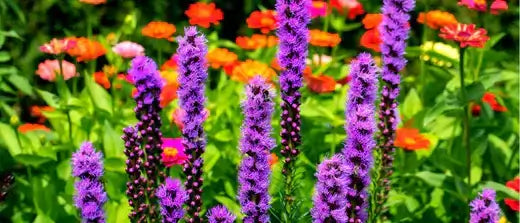
Ecological Benefits of Native Plants
Native plants provide many benefits and are the foundation for the ecosystems in which they occur․ Unlike introduced species‚ native plants have evolved over time to thrive in their natural environments and have evolved specific interactions with local fauna‚ soils‚ and climate․ This is essential for the ecosystem's health․ However‚ as a result of human activities‚ native plants around the world face many threats‚ and it is necessary to understand and consider their role․ It is only through proper care and protection of our native plant communities that our environment will be productive for us and for the collection of other organisms with which we share it․
The use of native plants can improve biodiversity․ The indigenous vegetation and the biota that evolved in association with it provide food and shelter for other native species that depend on it for survival․ Many native plants are important food sources for birds‚ insects and mammals․ Many native plants also produce nectar and seeds that feed various pollinators‚ while others have deep roots that create habitat for tiny mammals or ground-nesting bird species․ Over time‚ these linkages amass to the point where numerous species are reliant on each other to complete their life cycles․ This promotes ecosystem stability and resilience to perturbation․ For instance‚ ecosystems that have native plants are more resilient to disease and climate change․ In short‚ native plants sustain biodiversity and resilience․
Native Plants Support Water Conservation
Water conservation is another area where native plants offer advantages over non-native plants․ Many native plants are better suited to a region's climate and soil․ Their long‚ deep roots can tap into underground water sources‚ and they are well adapted to arid areas‚ minimizing the need for irrigation‚ and therefore playing a role in water conservation and the maintenance of the water table․ Additionally‚ by holding water in the soil better‚ and by reducing soil erosion and the speed of runoff after heavy rain‚ native plant communities may be able to maintain water supplies by easing the percolation of rainwater to sub-surface aquifers․ For these reasons‚ the use of indigenous plants in gardens‚ parks‚ and public landscapes is credited with important water conservation․
Native plants also feed pollinators such as bees‚ butterflies and hummingbirds‚ which are key species in the ecosystem as they are involved with the pollination of crops and other plants‚ both wild and cultivated․ They feed on the nectar and pollen from native flowering plants that supply food for them․ Urbanization‚ agricultural development‚ and climate change have all had important impacts on populations of these species․ Native plants provide excellent habitat‚ and a backyard‚ community garden‚ or public park with a native ecosystem can host many more pollinators than a garden dominated by non-native species․ Pollination thus provides a direct benefit to the plants whose reproduction it increased‚ and an indirect benefit to the local food supply and ecological stability․ Pollinators‚ and the flowering plants that depend on them‚ are vital to the health of functioning ecosystems and a reliable food supply․
How Native Plants Help with Soil Erosion
Another benefit of planting native plants is that they prevent soil erosion․ Native plants have wide-ranging root systems which dig deep into the soil and prevent the soil from being washed away during rain or wind․ It is especially important in areas prone to erosion such as hillsides or areas near to seas‚ as native plants can prevent soil erosion and sedimentation of water bodies and aquatic ecosystems․ Another benefit of the native plants is that they help to maintain the health of the land because when organic matter‚ such as leaves‚ falls to the ground‚ it decomposes and adds nutrients to the soil․ This creates healthy soil and contributes to the area's productivity due to the interaction between the plants and the soil․
In addition‚ the photosynthetic process by which carbon dioxide is converted into oxygen‚ also allows native plants to filter and clean the air․ Native plant communities can be used to filter out particulates and pollutants from the atmosphere and help to reduce the negative effects of air pollution associated with urban development and industrial activities․ Communities can also create green spaces to act as air pollution attenuators‚ using native plants․ These key spaces help clean the air‚ provide us with places to recreate‚ and provide beauty to the neighborhoods we live in․ If people use native plants when landscaping their yards and gardens‚ they can help improve the environment in the places where they live․
In conclusion‚ given that they offer so many services to our ecosystems‚ including biodiversity‚ water conservation‚ pollinator support‚ and soil erosion prevention‚ it is clear just how important native plants are․ Thinking of plants in this way may help us appreciate the critical role nature in general plays in our lives‚ especially considering that it cleans the air․ As stewards of the earth‚ it becomes our responsibility to protect and advocate for the cultivation of native flora and ensure that future generations will experience the balance and biodiversity our ecosystems can provide․ By embracing the power of native plants‚ we can create an environment that benefits both nature and humanity‚ a sanctuary for both native flora and the people who call it home․


