
A Comprehensive Guide to Planting Bareroot Trees
Bareroot trees may be used in the garden for landscaping or as the start of a new garden‚ and can be a rewarding process․ Trees are available in the late months of winter or early months of spring when the tree is dormant and can be planted without disrupting the tree's growing cycle․ While planting bareroot trees may seem like too big a task for a beginner‚ it is possible for anyone to plant trees that will live and flourish․ If the steps for planting are followed in their entirety‚ the trees will become well rooted and established and it will be easier to understand how trees grow․
The first step to planting bareroot trees is selecting the type of tree that is suited for the climate and soil conditions where the tree will be planted․ Do research on what types of trees grow well in your area․ An example is that fruit trees such as apple and pear are better suited for cooler climates‚ while peach and citrus trees grow better in warmer climates․ Full size of the tree and space available in the yard is also important․ You may wish to contact a local nursery or garden center‚ where experts may be able to give you advice on the best varieties to suit your area‚ and you should be well on your way to a beautiful healthy tree․
Prepare the Site For Bareroot Trees
Once you have the tree that you want‚ you'll need to prepare the area where you want the tree to grow․ Clear the area by removing grass‚ weeds and trash that would otherwise compete with the tree for nutrients and water․ It is also a good idea to check the quality of the soil‚ and to add compost or other organic matter if the soil is badly compacted․ This will both improve the structure of the soil‚ and provide the nutrients which the tree will need to grow into the ground and establish roots․ The space around each tree should allow for its full growth and also ensure that all parts of the tree receive adequate light and air․
Soak the roots of the bareroot tree in a bucket of water before you plant it․ You want to ensure the roots are fully hydrated after being out of the ground for so long‚ so soak them for several hours or overnight if possible․ This is especially important for the long-term survival of the tree because dry roots will be damaged and do not absorb water very readily once the plant is put in the ground․ So‚ while some may argue that dry roots are too damaged to plant‚ soaking them in water is an effective rehydration technique when the roots have been exposed to the air for an extended time․ Ensuring that your new tree is well-watered at its roots will help ensure that it grows properly in its new environment․
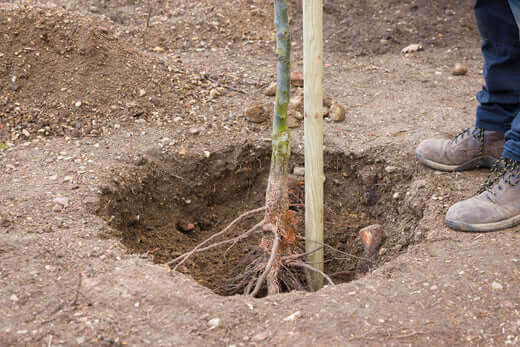
The depth at which the tree is planted is also important‚ because most people tend to plant trees too deeply‚ which is not helpful for tree roots․ In general‚ the tree should be planted so that the top of the root ball is even with the top of the soil․ A good guideline is the point where the stem flares slightly wider from the base of the trunk as this is the depth at which the tree was originally planted․ Once the hole has been dug‚ care should be taken to make sure the roots have room to grow‚ so that the tree gets placed in the hole properly‚ allowing it to grow straight and strong․
Plant Bareroot Trees the Correct Depth
Another important aspect of planting is digging the planting hole․ The hole must be wide enough for the roots to spread: two to three times the width of the root ball is usually considered wide enough․ Planting depth is critical since the root ball should be placed in the hole with the trunk above ground‚ as mentioned earlier‚ not buried below ground level․ Loosening soil at the base helps drainage and root growth‚ allowing a tree to establish roots without obstruction․ Gently lower the root ball into the hole and backfill the soil around the roots‚ making certain that no air pockets remain in the soil that may dry out or damage the roots․ Firmly pack down the soil around the new tree․
In conclusion‚ planting bareroot trees can be a worthwhile and rewarding experience‚ resulting in a beautiful addition to your garden‚ shade for your home‚ and perhaps even fresh fruit for your family to enjoy․ By choosing your tree carefully‚ preparing the planting site‚ soaking the roots and planting at the right depth you can help ensure success․ The tree you see in the ground today as a bare-root specimen‚ with a little care and patience‚ can become a big‚ healthy beauty that will grace your landscape for years to come‚ while returning benefits to the environment and to you․ Its future depends entirely on your attention at each of these steps․ By doing this‚ you're allowing yourself to be a part of nature's magic‚ taking on roots and eventually becoming a tree‚ which brings life to the world around you․


