
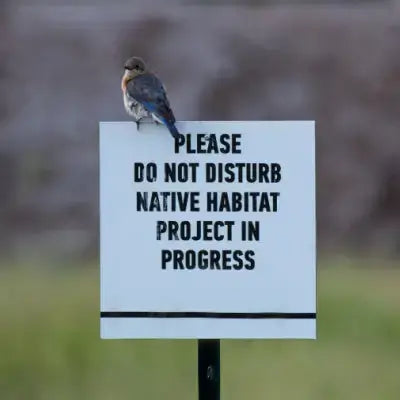
Essential Plants for Ecosystem Restoration
The uses of habitat restoration include native plants that support a balanced ecosystem․ With more urbanization and the issues caused by climate change‚ habitat restoration is critical․ Native plants are important to habitat restoration as they have adapted to their environment over time․ These species help create a habitat that is aesthetically pleasing and culturally important while also being helpful for animals‚ soil and air quality․ An ecosystem already has a self-perpetuating cycle․ If actions are taken to restore native species‚ we can create a web of life that can be sustained over time․ Over time‚ this rejuvenates the ecosystem‚ allowing nature to heal‚ allowing the systems to operate‚ thrive‚ and flourish for generations․
Apart from their practicality‚ one of the greatest promises of native plants is that they are the most appropriate for their native ecosystems: non-natives can upset the delicate balance within these systems‚ whereas native plants evolved together with their attendant fauna to form a detailed web of interdependence․ The long history of agriculture means that a wide variety of plants provide food‚ shelter and nesting spaces for a variety of animals‚ both insects and mammals․ The use of native species in any habitat restoration will almost always improve the landscape and may assist ecosystem resilience through biodiversity․ The roots of these plants improve the quality of the soil by reducing erosion‚ allowing more water to be retained‚ and creating a habitat for many types of life․
Native Plants Benefit Habitat Restoration
There is no doubt plant communities can be improved by planting native plants‚ especially when space allows for a multi-tiered habitat‚ expanding the area for many species․ Many birds benefit from native trees and shrubs where they can nest‚ perch‚ and forage for fruits‚ nuts‚ and seeds․ The ground layer of these ecosystems is provided by plants such as ferns and native wildflowers‚ creating microhabitats for insects and amphibians such as frogs․ When plants occupy multiple strata‚ native plants are more likely to be able to benefit all levels of a community's ecosystem․ As habitats can only exist in a more stable and complex state when native plants are added‚ animals become able to flourish and also take part in these relationships and interactions․
Native plants are also critical to pollinators‚ which are an important part of most flowering plants‚ and food webs․ Pollinators worldwide are in severe decline‚ so planting native plants is more important than it has ever been․ Many native wildflowers‚ such as asters‚ coneflowers‚ and milkweeds‚ are suited to attracting a variety of pollinators including bees‚ butterflies‚ hummingbirds and many others․ Habitat creation for plant species will provide food and shelter for pollinators․ This will also create conditions for some of these plants to reproduce․ If pollinators are healthy and we create favorable conditions for them‚ it will also have a positive impact on agriculture and landscape systems and on sustainable agricultural production․
Habitat Restoration is Achieved by Removing Invasive Species
This restoration of biodiversity in habitat restoration is also achieved through the removal of the intrusive species‚ which compete with native plants for nutrients‚ light‚ and space․ If native species can be reintroduced and get established and invaders controlled‚ then it is possible to restore ecosystems to a more natural state․ Native plants can begin to revitalize the ecosystem and outcompete the invaders․ By recovering and encouraging the establishment of strong native plant populations‚ this action also creates a natural barrier that prevents the establishment of intrusive plant species and helps the ecosystem recover from the effects of intrusive species․
In conclusion‚ habitat restoration using native plants is important because it allows natural systems to move in a direction more favorable to their long-term health and success․ Native plants are critical to supporting species diversity‚ providing habitats for wildlife‚ and creating habitat for pollinator species․ They can help to control the spread of intrusive plants and intrusive species overall through their native ecosystem role in a balanced environment․ To promote the growth and establishment of native plants is an overarching goal to not only support biodiversity‚ but also to withstand environmental change and contribute to the planet's resilience․ Not just by scattering seeds‚ but by becoming one with all that is‚ and planting and nurturing the world‚ opening our eyes to how we play a role in the whole of creation‚ backing the whole project of life on this planet‚ of which we are a part‚ and which we can help to nourish․


