
Reviving Nature: The Case for Habitat Restoration
In every place‚ somewhere deep in the rhythms of life‚ there is a heartbeat‚ pulsing ․․․ with all the relationships that exist between these‚ and countless other‚ forms of life․ But as our own activity destroys the natural homes of so many ․․․ we expose ourselves to the same fate․ The growing impacts of urbanization‚ pollution‚ and climate change highlight the need for restoration․ Restoration of habitat helps to not only reverse some of the degradation caused by human activity‚ but is also necessary for continuing resilience of the planet as these pressures continue to grow․ Restoring habitats is a key tool for efforts to conserve biodiversity‚ critical for sustaining life on Earth․
Biodiversity‚ which describes the variety of life found in a particular habitat or ecosystem‚ is the key to any ecosystem's long-term success․ With such a variety of species‚ from bacteria to mammals‚ each one from a bright flower to song birds works together to balance out the ecosystem․ Various actors allow pollination‚ seed dispersal‚ and the transport of nutrients․ The restoration of habitats will be able to support the return of lost species and restore biodiversity․ When we lose species to habitat loss‚ we lose beauty and diversity‚ and an entire ecosystem can be destabilized․ Habitat restoration can help prevent this from happening․ This web of life supports humans' living and wellbeing‚ for example by providing clean air‚ water and food․
Native Plants Support Habitat Restoration
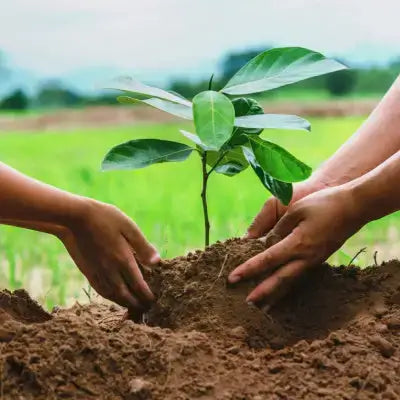
The role of native species in restoration ecology is considered even more important because they are naturally adapted to grow in their habitats and co-exist with other species found in those ecosystems․ If the habitat restoration is successful‚ reintroduction of native species can be considered‚ where native plants may provide food and habitat for reintroduced animals‚ or indeed other ecosystem services for restored habitat․ Invasive non-native species take over‚ outcompeting local species and upsetting the natural equilibrium․ This creates a decline in biodiversity and can weaken and disrupt the ecosystem․ By restoring an ecosystem with particular focus on native species‚ more stable and sustainable ecosystems can be created․
Ecological restoration may also have non-ecological benefits‚ such as increased opportunities for tourism‚ recreation‚ and provisioning of natural resources‚ all of which healthy ecosystems can provide․ Moreover‚ restored ecosystems may help communities economically‚ since people visit these areas to enjoy their natural beauty․ Cleansing freshwater and capturing carbon in healthy ecosystems are also important ecosystem services that help to alleviate some of the effects of climate change․ Restoration projects can also create jobs in conservation and land management sectors․ When community members are involved in restoration‚ they become active stewards of the environment and have a sense of ownership and pride in the ecosystem surrounding their community․
Despite the many upsides to habitat restoration‚ one major downside that prevents it from being pursued is the massive scale of habitat degradation seen in many ecosystems throughout the world․ Degraded sites can be like barren wastelands that require a massive effort to restore them‚ and limited funding and resources may not allow for the implementation of projects at naturally degraded sites․ In addition‚ restoration can involve conflicting needs and goals from various stakeholders‚ such as those with agricultural‚ urban‚ or industrial interests․ Many restoration projects require a critical mass of political will‚ public consciousness‚ and scientific knowledge to occur‚ without which they can be difficult to implement․ Despite these and other challenges‚ efforts to conserve these ecosystems can benefit both environment and society․
Habitat Restoration Is Essential For The Future
The future of natural ecosystems lies in our hands․ We potentially hold the key to reversing biodiversity losses․ Restoring habitats can be one of the solutions to the climate crisis and environmental degradation we face․ We can pioneer this at large scales through education‚ grassroots contributions and technological solutions․ The relationship with nature is reciprocal․ In nurturing the earth‚ we nurture the future․ And through restoring these essential ecosystems‚ we might foster a future that honors the interconnectedness of all living things and strengthens the resilience of our planet's ecosystems․
In conclusion‚ the need for habitat restoration is one of the most urgent issues of our time․ We cannot ignore the pressing need to restore habitats and tackle the challenges of biodiversity loss and environmental degradation that our planet faces․ This book is on the overall theme of making the case for biodiversity‚ supporting native species‚ finding the economic reasons‚ surmounting the hurdles‚ to provide opportunities for nature and human beings to find a way of co-existing and we have the power to restore our natural systems to how they once were‚ and for the great diversity of plants and animals to flourish․ In taking up this challenge we give life to our planet and we reaffirm our commitment to a healthier‚ more resilient world․


