
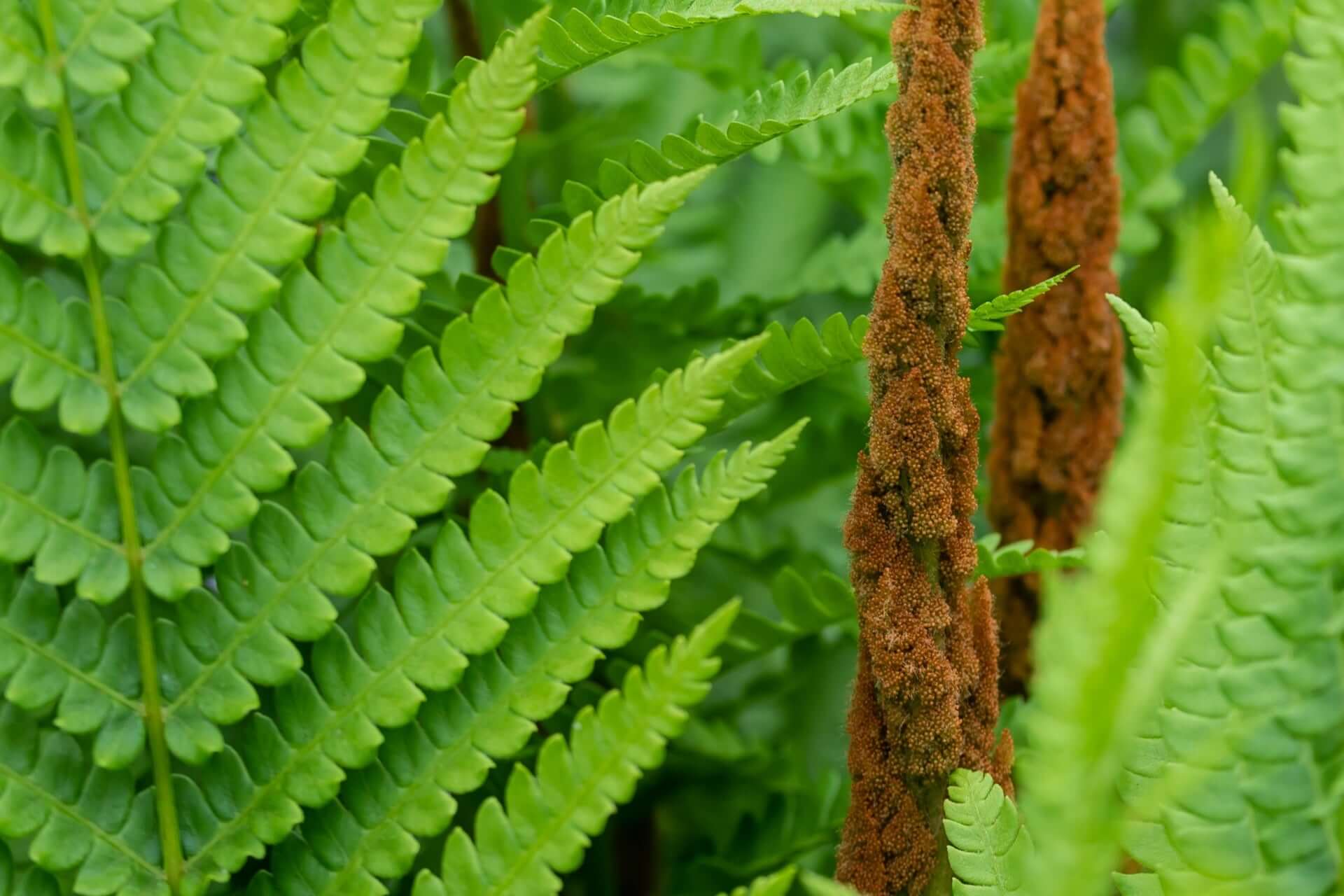
Cinnamon fern, a majestic native plant found in wetlands and shady forest floors, brings beauty and a unique texture to any garden. Its name originates from the distinctive cinnamon-colored spore-producing fronds that appear early in the growing season. The fern is aesthetically captivating and adaptable, making it a favorite among gardeners who seek an organic, natural feel for their outdoor spaces. As one of the older plant species on the planet, cinnamon fern holds a deep connection to the ancient flora of Earth, evoking a sense of timelessness and resilience.
Will cinnamon fern spread?
Cinnamon fern is a plant that thrives when given the space to grow and flourish. While it doesn't aggressively overtake garden beds, it does have a slow, natural spreading process. This happens primarily through rhizomes, underground stems that allow the plant to extend its reach gradually. Over time, cinnamon ferns can form a colony, creating an appealing, lush ground cover in a damp, shaded area.
The spreading nature of the fern enhances its ability to cover ground, especially in areas where the soil remains consistently moist. Its slow but steady propagation means a dense, fern-filled area can develop with patience. While some plants can become problematic with uncontrolled spreading, cinnamon fern grows in a way that balances between filling in a space without being disruptive to other plants. Its natural pace allows gardeners to manage it quickly, making it a sustainable choice for woodland or rain gardens.
Cinnamon Fern Varieties
Because of its anti-inflammatory properties, it helps with arthritis and joint pain. Traditional medical practitioners used it as a natural expectorant for respiratory congestion relief. Modern herbal medicine research includes studies of this species to explore its capabilities in pain management and immune system enhancement.
About Cinnamon Fern
Osmundastrum cinnamomeum stands out because of its extraordinary hardiness. Osmundastrum cinnamomeum displays remarkable climate adaptability by growing successfully across USDA zones 3 through 9. Its ability to endure cold winters together with humid summers allows it to function as a dependable perennial across multiple environments.
Where to plant cinnamon ferns?
Cinnamon ferns thrive in areas that mimic their natural habitats-moist, shaded, and rich in organic matter. Finding the right place in your garden for this fern involves choosing an area with partial to full shade. A woodland garden or a shady border is ideal, particularly where the soil remains damp. Cinnamon fern will feel right at home if you have a low-lying area that collects rain or near a water feature like a pond.
This fern requires little maintenance once established, mainly when grown in the right conditions. Mulching around the base of the fern with organic materials like leaves or compost can help maintain the moisture levels it craves. Though adaptable to various soils, cinnamon ferns flourish in acidic, well-draining soil that holds moisture but doesn't become waterlogged. Incorporating them into naturalized settings, like under a canopy of trees, is an effective way to enhance the fern's growth and provide a serene, woodland feel to your garden.
What is the difference between ostrich fern and cinnamon fern?
While ostrich fern and cinnamon fern are both beloved for their elegance and are often found in similar environments, they have distinct differences. One of the most noticeable differences is the appearance of their fertile fronds. Cinnamon fern gets its name from the fronds that emerge in spring, typically standing upright in the center of the plant. These fronds are shorter and more rigid than the plant's large, arching, sterile fronds. By contrast, the ostrich fern produces fertile fronds that are more discreet and less colorful, often blending into the plant's overall green aesthetic.
In terms of growth habits, ostrich ferns tend to spread more rapidly and can form expansive colonies over time. They are more aggressive growers compared to cinnamon ferns, which grow at a steadier pace. Additionally, ostrich ferns are typically taller, with fronds that can reach up to six feet in height under optimal conditions. In contrast, cinnamon ferns are more modest in their stature, typically growing up to four feet. The texture and feel of the fronds also differ slightly, with ostrich fern having a more feathery appearance, while cinnamon fern fronds are somewhat coarser and more robust. Both ferns add graceful, structural elements to a garden, but cinnamon is often favored for its warm-toned fronds that add visual interest during the growing season.
Is a cinnamon fern edible?
Cinnamon ferns, unlike their cousin, the ostrich fern, are not typically consumed. While the fiddleheads of ostrich ferns are harvested in early spring and are considered a delicacy in many regions, cinnamon ferns have no known culinary use. Some parts may be toxic if eaten, especially in large quantities. It is best to avoid using cinnamon ferns in any culinary capacity, as they are primarily valued for their ornamental qualities rather than as an edible plant.
That said, their contribution to the environment is significant. Cinnamon ferns provide shelter and habitat for small animals and insects in woodland areas, creating a thriving micro-ecosystem. Their dense foliage offers protection and moisture retention for various organisms, contributing to the health of the surrounding soil and plant life. Gardeners often choose cinnamon ferns for their ecological benefits, particularly in restoration projects or naturalized landscapes.
In conclusion, cinnamon fern is a versatile and striking plant that can create a lush, naturalistic feel in any shaded garden area. Its ability to slowly spread and its minimal upkeep make it an appealing option for those seeking to develop a serene, low-effort landscape. Whether placed near a pond or under the dappled shade of trees, cinnamon fern brings texture, depth, and a touch of ancient beauty to your garden. While it may not be edible, it plays a vital role in garden ecosystems and remains a favorite among gardeners looking to create peaceful, woodland-inspired spaces.
Ostrich FernPlanting Cinnamon Fern
Osmundastrum cinnamomeum ( Cinnamon Fern ) had sustained its existence for millions of years, even before numerous contemporary plant species existed. Research shows that the plant's ancestors reached their peak during the Mesozoic era which confirms it as one of the most ancient vascular plants still living today. European settlers noted this North American native for the first time in botanical records during early colonial exploration upon discovering its prominent presence in wetlands and shaded forests. Indigenous tribes knew its value well and applied its fibrous roots to various practical uses.
In wetland areas this plant strengthens delicate ecosystems by stopping dirt erosion and improving water retention in flood-prone zones. The species adds beauty to landscapes while providing essential habitat resources for wildlife survival.
Indigenous American tribes have long relied on Osmundastrum cinnamomeum for its medicinal properties. People dried the plant's rhizomes and ground them into powders or used them to make teas as treatments for different medical conditions. Its primary medicinal use addressed digestive issues by providing relief from stomach cramps and indigestion. Medical practitioners from different communities favored this rootstock poultice because it sped healing processes for wounds while lowering inflammation which resulted in its inclusion in herbal medicine kits.
European botanists discovered this plant in North America's swampy woodlands during the 18th century through documentation by traveling explorers and naturalists. The plant gained international recognition as botanical gardens around the world introduced it because of its distinctive look and hardiness. The plant's historical importance extends past its visual appeal because indigenous people regarded it as a vital component of their medicinal practices and folklore.
Maintenance because it easily endures seasonal changes without requiring frequent care. The plant's natural resistance to many pests and diseases contributes to its reputation as a durable landscape choice. This plant's capacity to prosper under both moist and moderately arid conditions proves to be essential for gardens that need visually attractive yet easy-to-maintain plantings.
The treatment has lost its status as a primary option in modern medicine but holistic practitioners still examine its therapeutic properties. This plant's historical application as a natural remedy demonstrates its significance to early medicine while showing how native plants were essential to traditional healing methods.
Autumn coats the fronds in a golden-yellow color that brightens forests until the first frost causes them to decay. The plant continues to maintain active fibrous roots throughout its dormant phase which leads to vibrant growth when spring arrives.
This plant provides essential larval development support for butterflies and moths while birds build their nests using its fibrous material. The plant's microhabitat attracts rare insect species in certain areas which establishes it as a crucial element in biodiversity conservation initiatives.
The changing colors it displays throughout the different seasons make this plant an ever-changing attraction in natural landscape settings.
Early European naturalists documented Cinnamon Fern 's botanical significance while they surveyed North American wetlands during the 1600s. The uses of this plant were already well known to indigenous tribes long before anyone documented them in writing. Early botanists were fascinated by the plant's unique structure and adaptive nature which resulted in its global collection in botanical gardens.
