
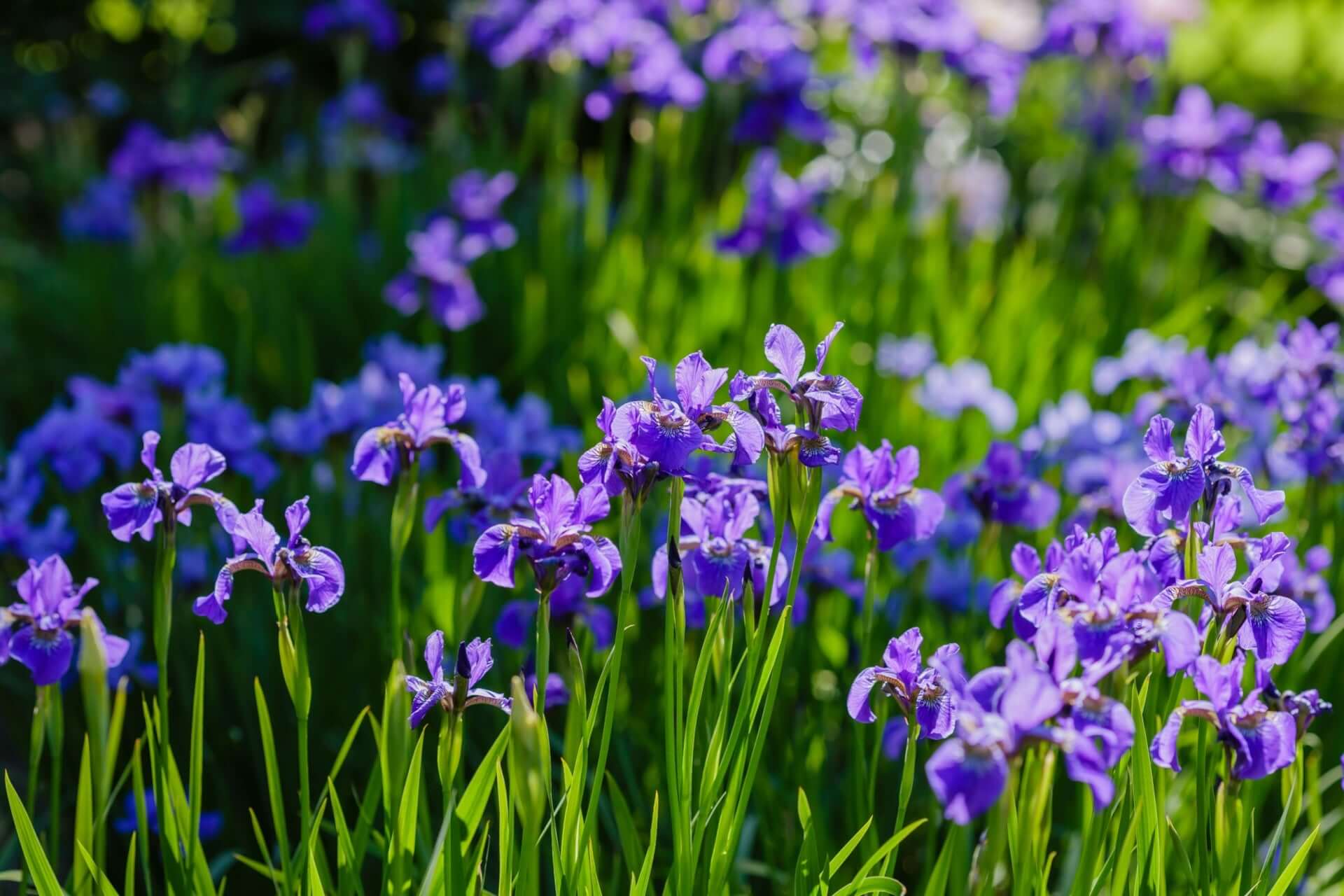
The Blue Flag Iris is a remarkable perennial that brings charm and color to a garden. This plant quickly becomes a focal point in any landscape with its stunning violet-blue flowers and sword-like green foliage. Native to North America, mainly thriving in wetland areas, the Blue Flag Iris is a beautiful addition to your garden and a resilient and ecologically valuable species. It can be grown in various conditions, making it versatile and adaptable for many types of gardens, whether near ponds, along streambanks, or in boggy areas.
The Blue Flag Iris, also known as Iris versicolor, belongs to the iris family, which includes over 300 species. Known for their distinctive flowers, irises have a profound cultural and historical significance, representing hope, wisdom, and courage in many cultures. The Blue Flag Iris has a timeless appeal and is celebrated for its ability to attract wildlife like bees, butterflies, and hummingbirds.
Does Blue Flag Iris spread?
Yes, Blue Flag Iris spreads through both seeds and rhizomes. This natural spreading ability can help fill in spaces in the garden, especially in wet or poorly drained areas. Its roots form a dense network that can stabilize soil, preventing erosion where water runoff may be an issue. While it spreads, the Blue Flag Iris is less aggressive than other wetland plants. It won't quickly overtake garden spaces, making it an ideal option for gardeners looking for a native plant that can establish itself in water gardens or near ponds and streams.
However, its spreading ability means it requires occasional maintenance. Over time, clumps of irises can become crowded and may need to be divided every few years to maintain healthy growth and blooming. Dividing the rhizomes every three to four years ensures the plant has room to breathe, encouraging vigorous flowering and preventing it from becoming root-bound.
Where is the best place to plant flag irises?
The best place to plant Blue Flag Iris is in a location miming its natural wetland habitat. They thrive near water sources like ponds, streams, or boggy areas. Blue Flag Iris loves moisture, so consistently damp regions are ideal. It's a plant that adapts well to rain gardens and low spots in your yard where water collects after a storm. Planting Blue Flag Iris in such spaces allows the plant to thrive while helping manage water flow and reducing soil erosion.
Blue Flag Iris can still be planted in regular garden beds if you don't have a water garden or wetland area. Ensure it gets plenty of water, and avoid planting it in dry, sandy soils. Organic materials like compost can help retain moisture in garden beds and support healthy growth. While it prefers wet soils, Blue Flag Iris is versatile enough to survive in average garden conditions, provided it receives consistent watering.
Is Blue Flag Iris invasive?
The Blue Flag Iris is not considered invasive, unlike its relative, the Yellow Flag Iris (Iris pseudacorus), which is highly invasive in some areas. The Blue Flag Iris is a native plant in North America, which means it naturally integrates well into local ecosystems without threatening biodiversity or displacing other native species. Its spreading habit is balanced and controlled, especially compared to more aggressive species.
Planting Blue Flag Iris can be beneficial to the local environment. It provides a natural habitat for pollinators and offers shelter to wildlife. Its ability to stabilize wet soils can also help protect waterways from erosion and nutrient runoff, making it an excellent plant choice for eco-conscious gardeners. However, as with any plant, it's essential to keep an eye on its growth and ensure it doesn't crowd out neighboring plants.
How much sun does a Blue Flag Iris need?
Blue Flag Iris thrives best in full sun but can tolerate partial shade. For optimal blooming, it is recommended to be planted in a location that receives at least six hours of sunlight daily. The more sun it receives, the more vibrant and abundant its blooms will be. It may still grow well in shadier spots, but the number of flowers produced will likely be reduced.
With its broad adaptability, Blue Flag Iris can handle varying light conditions, making it a versatile addition to your garden's sunny and partially shaded areas. You will notice more robust growth in sunnier spots, and the plant will likely bloom profusely in the late spring to early summer. Its striking blue flowers, golden stamens, and contrasting green foliage create a visually stunning display when planted in clusters. If grown in partial shade, ensure the area receives ample morning sun, as deep shade reduces its vigor and flowering potential.
In addition to adequate sunlight, the Blue Flag Iris benefits from well-drained soil, especially if it's not planted directly in a wetland or water garden. Even though it loves moisture, overly saturated soils without good drainage can lead to root rot. If the iris grows in a less wet area, ensure the soil is consistently damp but not soggy.
In conclusion, the Blue Flag Iris is ideal for adding vibrant blue to water gardens, rain gardens, or areas with consistently wet soil. Its ability to spread naturally, stabilize soil, and lure pollinators makes it a perfect choice for eco-friendly gardening. With moderate maintenance in terms of dividing rhizomes and ensuring it has enough sunlight, this beautiful native iris can provide stunning blooms year after year. By carefully selecting a planting location and monitoring its growth, the Blue Flag Iris will thrive and add natural beauty to your garden for many seasons.
Ready to plant your own? Shop blue flag iris here.
Ivory Blooming Trio Perennials
Planting Blue Flag Iris
Traditional healers prized this perennial plant for its healing powers because they made medical treatments from its roots. The Cherokee and Iroquois tribes used this plant's extracts to treat different health problems including digestive disorders and skin ailments. Healers believed that this herb stimulated liver function and detoxification when used in carefully measured doses. Its rhizomes hold strong compounds which can cause serious adverse effects if used improperly. Early American folk medicine practitioners used it in poultices to heal wounds and alleviate swelling. Herbalists recognize this natural remedy as highly effective when applied expertly despite modern medicine's minimal use of it.
Blue Flag Iris captivated botanists and naturalists throughout the 18th century. European explorers who crossed North America first documented this plant after they noticed its bright colors and waterlogged habitat adaptability. The early American botanist John Bartram helped establish this plant in European gardens where collectors highly sought after it. Settlers pushing into new frontiers observed this plant growing abundantly along waterways because they understood its ability to hold the soil together and reduce erosion. Early botanists admired and studied this plant because of its capacity to survive in difficult environments.
Blue Flag Iris extends its value beyond aesthetic beauty by providing crucial support for rare and beneficial wildlife species. This plant serves as an essential food source because specialized bees and other pollinators depend on its nectar within wetland environments. This plant stands out from typical garden flowers because it draws rare butterfly and moth species that rarely appear in traditional landscapes. Frogs and salamanders use dense plant foliage as a shelter while taking advantage of its protective shade and moisture. Healthy wetlands commonly support their habitat because birds find them suitable for living. Gardeners support delicate ecosystems through planting which enables both plants and animals to thrive.
Blue Flag Iris a wetland perennial plant had profound importance for indigenous populations and early settlers well before modern gardeners admired its vibrant flowers. The plant originated in North America, where it prospered in marshy areas and along river edges, and its vivid flowers signaled its presence. Eastern indigenous tribes identified unique properties of the plant and applied them in both healing practices and spiritual ceremonies. European explorers quickly observed its beautiful and flexible nature which resulted in its extensive propagation. Throughout history this species evolved into a treasured symbol for wetland conservation demonstrating both the beauty of native plants and their enduring strength.
This perennial has gained popularity with landscapers who desire to add vibrant color and appealing texture to moist areas because of its elegant shape and strong growth characteristics. This plant commonly serves dual purposes by adding beauty to rain gardens, pond edges, and naturalized wetland areas while offering valuable environmental advantages. The plant's deep root system filters water which helps reduce nutrient levels and prevents soil erosion. The plant brings natural beauty to gardens while smoothly integrating with ornamental grasses and other perennials that thrive in wet conditions. In ecological restoration efforts landscape designers use this plant regularly which demonstrates its crucial role in maintaining native ecosystems.


