
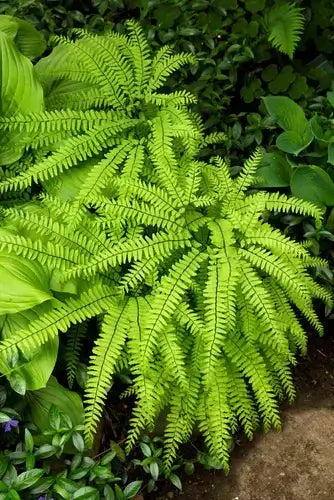
Growing and Caring for Native Ferns: A Complete Guide
So long as you choose the proper species for your site‚ give them a rich‚ well-drained soil‚ and keep it evenly moist but not waterlogged‚ they will thrive․ It's as simple as that․ The long version-the version that actually gets you a fern bed that looks good for decades instead of struggling through its first summer-is a little more involved‚ and requires you to understand a few things about how these plants actually grow․
Ferns are older than flowering plants‚ but they survived because they adapted to the understory of forests․ That history tells you almost everything you need to know about what they want from you: shade‚ moisture and soil rich in organic matter‚ like a forest floor․
Steps to find the right plant species
The great majority of the state lies in plant hardiness zones 6b and 7b‚ with a small area of zone 8a in the immediate vicinity of Memphis in the extreme southwest of the state․ Many species of native fern are found in this range‚ but not all the growing requirements are identical․
If your dry and shady site is under mature oaks or hickories‚ hay-scented fern is your best choice․ Among ferns‚ it tolerates dry conditions better than many‚ and produces a dense ground cover by running along the surface of the soil․ Thus‚ it can fill the space under trees where grass cannot be grown․
Royal fern is the one to use for sunnier spots‚ being one of the few native ferns that will grow well in several hours of direct morning sun‚ especially if the soil is moist at all times․ Royal ferns themselves can grow three to five feet tall in good conditions‚ so give them room․
For a dramatic fern with architectural focus‚ the giant ostrich fern is an option․ This fern reaches heights of four to six feet and produces spring fronds that unfurl like classic fiddlehead ferns in a spiral․ As rhizome spreaders‚ it may take a few years for them to fill in‚ making them better suited to a woodland edge or streambank than a foundation planting․
The only other Tennessee native ferns with good ornamental performance are the Christmas fern‚ which is evergreen‚ and the cinnamon fern․ Christmas fern is a particularly popular ornamental because it provides year-round structure in the garden․
Where to Plant Them
Dappled or filtered shade is usually best for most ferns‚ meaning it is indirect light that has been filtered through a deciduous tree canopy rather than areas with little light below the dense canopy of mature evergreen conifers or full afternoon sun․ For much of the Southeast‚ eastern beds with morning sun and afternoon shade work well․
If we're growing a fern in full sun at the height of the afternoon or during the oppressive heat and humidity of middle Tennessee in July and August‚ we're asking plants not built for that combination of light and moisture to be fine with it․ In a house planting‚ we usually have better luck on the north or east side․
Getting the Soil Right
Native ferns thrive in a fertile medium that is kept moist but well-drained‚ a balancing act that gets a lot of beginners in trouble․ Straight clay soil is common in Middle Tennessee‚ holds moisture well but does not drain well‚ and may threaten the roots of ferns․
For best results‚ it is recommended to dig in two to three inches of compost or leaf mold to the top eight inches of soil before planting․ This lightens heavy clay allowing for drainage‚ while adding organic matter that many ferns are adapted to growing in․ If you have sandy soil that drains rapidly‚ the same amendment will improve its moisture retention․
Planting Ferns Correctly
Tennessee considers the spring after the last frost‚ or a little early autumn‚ to be the best planting time‚ so the roots are well established before winter dormancy․ In fact‚ many Tennessee gardeners find fall-transplanted plants perform better the following spring than those transplanted in the summer․
The planting hole should be double the width of the root-ball and the same depth as the pot․ Many ferns are prone to crown rot if planted too deeply․ Backfill the hole once the crown is level with the ground and water the area so that the backfill settles․
Space ferns the distance the plants will spread in width․ Space small native ferns such as Christmas fern 18 inches (46 cm) apart․ Space ostrich fern and royal fern 2 to 3 feet (0․61-0․91 m) apart․
Mulch‚ Water‚ and Feeding
A two inch layer of shredded bark or leaf mold around the base will help keep the ground around the plant moist and suppress weeds․ Avoid mulching against the crown with one to two inches of material‚ as this can keep the plant tissue on the crown damp and lead to rot․
Watering habits vary through the seasons․ For the first growing season‚ it is watered two to three times weekly‚ unless rain falls‚ since the new roots have not yet grown to source moisture․ If ferns are already established (two years old or more) a weekly watering is adequate‚ except for the long summer droughts that are common in Tennessee․
Native ferns do not need fertilizing‚ but a very light spring topdressing of balanced organic fertilizer at the start of new frond growth is helpful․ Avoid fertilizing when entering fall‚ as new growth may not mature and harden off before cooler temperatures arrive․
Pruning and Seasonal Care
Cut back dead and damaged fronds any time during the growing season‚ but do not cut back healthy‚ green fronds‚ since they are needed for photosynthesis․ For deciduous ferns such as the ostrich fern‚ royal fern‚ or cinnamon fern‚ cut all fronds down to the ground in late fall after they have browned and died․ This cleans up the fern bed and reduces overwintering habitat for pests․
Most evergreen species‚ such as Christmas fern‚ do not require this treatment‚ and fronds that appear damaged should be removed but left otherwise for winter interest․
In cooler areas of Tennessee‚ or the higher elevations of East Tennessee‚ mulch at the base of the plant during late fall can improve the insulation to roots during the winter months․ Most native ferns are hardy without special treatment; however‚ first year plantings can benefit from added protection․
Dealing with Pests
The greatest pest of ferns is usually slugs and snails․ Handpicking them from the humid conditions ferns require is the most effective method if persistent; diatomaceous earth or iron phosphate baits can be used for larger populations without harming predators․
Fungal diseases may occur if plants are closely packed and the foliage is watered overhead after six o'clock in the evening‚ causing the fronds to remain wet overnight․ Diseases can be avoided by proper spacing‚ and watering at the soil line․
To create a lasting fern garden․
Unlike most perennials‚ ferns take a bit of time to settle in and usually look low-key during the first season as their roots become established․ However‚ by the second or even third year‚ plants will be full and showy in the manner that makes native ferns desirable groundcover or woodland-garden accent plants․
There are many different varieties of native fern to choose from at TN Nursery‚ including the hay-scented‚ the royal‚ and the giant ostrich fern․ These ferns grow best in their native state of Tennessee․ Put the right fern in the right spot and you have a long-term planting that is relatively low-maintenance and will fill in and grow․


