
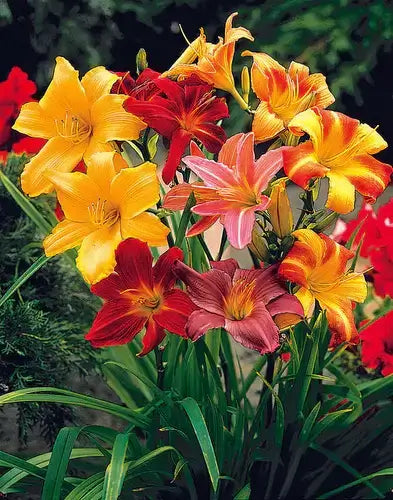
Anyone interested in growing the daylily would find it a fun and easy perennial flower to add to their garden․ Daylilies come in many colors and are known for being hardy plants․ Daylilies add vibrant hues to garden spaces and while they are easy to manage‚ making them an excellent choice for novice or experienced gardeners‚ if you wish to extend your collection you will need to understand some of the fundamentals that will help you in the development of daylilies․ With these precautions as to watering‚ careful selection‚ an eye for light‚ careful planting and transplanting and a bit of work‚ you should have a bouquet of these splendid flowers as a joy each summer․
Watering
Daylilies require sufficient watering․ Despite some plants surviving in wet soil‚ the soil should be moist‚ not water-logged; daylilies prefer their roots to be just moist‚ rather than too wet or too dry․ Water plants regularly‚ especially in the first few days after planting or during very dry weather․ Plants should be watered well once a week‚ rather than being sprinkled with a small amount of water regularly․ This helps to develop a deep root system and a strong plant that is more resistant to drought․ The watering should be performed during the morning (preferably‚ so that the water may dry during the day) to minimize moisture on the leaves overnight and consequent possible diseases․
There are thousands of daylily cultivars available in almost every color‚ size‚ and season․ When selecting daylily cultivars to grow‚ one must consider the climate of the location‚ the type of soil‚ and other plants (in most situations perennials will grow well with daylilies)․ Some cultivars are more tolerant of heat and some are more tolerant of cold․ You may want to consider early‚ mid or late bloomers as by doing this plants display their flowers during different times of the year and you are creating a beautiful patchwork of color․ This can also help with the life cycle of the plants in your garden․
Sunlight
Sunlight is also vital to a successful daylily garden․ Daylilies prefer full sun․ Daylilies should be planted in full sun for optimum performance․ Full sun typically means at least six hours of direct‚ unfiltered sunlight per day․ Plants grown in part shade will likely not bloom as well and may be weaker plants‚ though daylilies may still be grown in part shade with partial success․ Watching your garden over the course of the day for the sunniest areas‚ and planting your daylilies there‚ will result in healthy plants that get more hours of sun‚ and the colors will be even grander in our gardens․
Make sure that you allow sufficient room to breathe for the daylilies by planting them at the recommended distance apart in order to avoid crowding․ You can plant the daylilies about 18 to 24 inches apart to reduce the chances of diseases spreading to other plants‚ and give the tree ample space to grow․ The hole should be deep and wide enough to accommodate the daylily's roots․ Daylilies should be planted at soil grade‚ with the crown at soil level and the roots covered with soil․ They should then be thoroughly watered to eliminate air pockets that might inhibit root growth and expansion․
Transplanting
Transplanting daylilies is as essential to their care as planting them‚ and is prompted not just by expanding on a daylily bed but whenever the landscape calls for it․ Daylilies grow best when transplanted in early spring or at the end of the blooming period in late summer․ When daylilies are uprooted‚ they should be treated gently․ Using a sharp spade will create cleaner cuts and minimize damage to the roots․ After they have been transplanted‚ seedlings need to be watered (but not too much)‚ mulched to prevent weeds from competing with them for nutrients‚ and given other special treatment․
In conclusion‚ daylilies propagation can be a rewarding and beautiful addition to your garden․ By mastering the basics of watering‚ choosing the right daylily‚ providing adequate sun‚ spacing them correctly‚ and transplanting carefully‚ you can create a beautiful and thriving bed of daylilies that will improve your garden for years to come․ Besides‚ growing and taking care of these hardy‚ low maintenance‚ flowering plants will not only beautify your garden‚ yard or outdoor spaces with their colors and elegance‚ but also provide you with unmatched satisfaction of growing these flowers․ You can take great pride in having daylilies in your yard or garden․


