
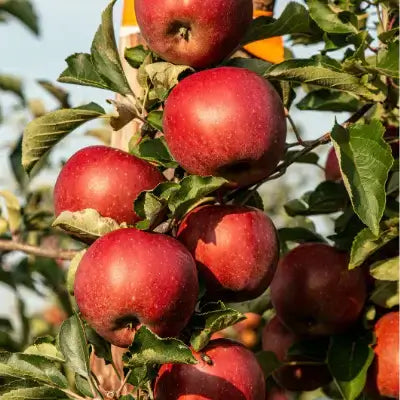
Why Plant Fruit Trees in Your Tennessee Landscape?
But a fruit tree does something that no ornamental tree can: it feeds you․ You can plant a Honeycrisp apple tree or a Bartlett pear tree on the corner of your lot‚ along the property line‚ and in three to five years you're harvesting dinner and getting some shade‚ flowers‚ fall color and a tree that adds real dollar value to your home․ This lovely marriage of utility and beauty is why fruit trees are one of the best investments any homeowner can make in landscaping․
The Case for Fruit Trees Over Purely Ornamental Trees
Traditional landscape trees such as Bradford pears and red maples provide shade and seasonal color․ Fruit trees provide all this in addition to a harvest․ An apple or peach tree in bloom produces the same array of pinks and whites‚ the same hundreds of hungry‚ buzzing‚ nectar-seeking creatures․ Instead of shedding an ornamental fruit that fills up your driveway daily with rotting‚ fermented goo‚ it sheds baskets of food․
There's also cost‚ and people don't think about this aspect enough․ A single mature apple tree produces 100 to 300 pounds of fruit per year․ You'd be saving an actual amount of money each year based on grocery store prices‚ for a tree that could be 40 to 100 years old․
Tennessee Has Some Pretty Good Growing Zones
USDA hardiness zones in Tennessee range from 6b in the eastern mountains‚ to 7b in Nashville‚ to 8a in Memphis and the extreme western part of the state‚ and this gives fruit tree growers the best situation possible for successful growing․ The majority of the common fruit trees and even many of the rare fruit trees will grow unprotected․
Most of Middle Tennessee‚ including Nashville‚ is zone 7a‚ which can support apples‚ pears‚ peaches‚ plums‚ persimmons‚ figs‚ and some cold-hardy citrus trees in warm microclimates․ In East Tennessee‚ including higher elevations‚ the climate is similar‚ but apples and pears thrive as they require a certain number of chill hours each winter under 45 °F (7 °C) to set fruit in the spring․ Most apples require 500 to 1000 chilling hours‚ and winters in Tennessee typically meet or exceed this․
Best Fruit Trees for Tennessee Conditions
Apple trees fare best for the average homeowner․ Arkansas Black‚ Gala‚ and Winesap may survive the humidity and clay of Tennessee soil better than some apple varieties from coastal areas and the northwest․ If you plant two different varieties within 50 feet (15 m) of each other‚ cross-pollination will increase the apple tree's productivity․
Peach trees grow quickly and bear fruit within two to three years․ Elberta and Redhaven varieties do especially well in Tennessee because of the state's hot summer․ They also need good drainage: peaches are notoriously unforgiving of wet feet‚ so do not plant in low places where rain collects․
Asian pears‚ such as Hosui and Shinseiko‚ do well in the hot‚ humid summers typical of Tennessee․ They are also more resistant to fire blight‚ a bacterial disease that is particularly problematic among pears in the Southeast United States․
Brown Turkey figs can be grown as far east as zone 6b in Tennessee‚ with a small amount of mulching at the root zone․ In warmer regions‚ this tree will bear two crops per year‚ in early summer and early fall․ Fig trees deserve far more attention than they receive․
Persimmon trees (especially the American persimmon) really are native to Tennessee․ These trees are low-maintenance once established‚ and tolerate poor soil‚ drought‚ and neglect better than almost any other tree on this list․
Where to Actually Plant Them
This is where a lot of landscaping guides fall short: they tell you fruit trees are a great choice‚ but don't tell you where not to put them․ Fruit trees are sun-worshiping plants‚ requiring 6 to 8 hours of full sun to be fruitful․ That shady side yard is a bad choice․ Space them 15 to 20 feet from your house foundation and septic lines‚ because the roots of regular-sized trees can spread farther than their canopy․
Consider drop zones․ That peach tree that hangs over half your patio may be beautiful‚ but ripe peaches dropping onto your outdoor furniture in August will attract wasps․ Place large fruit trees at the back of the property‚ or against the fence․ Reserve the site closest to the house for small fruit trees or dwarf varieties that do not exceed 10 feet (3․0 m) in height․
Dwarf and semi-dwarf apple rootstocks provide a solution to both problems․ A dwarf apple tree can produce a yield of full-sized apples on a tree that matures to about 8 to 10 feet (2․4 to 3․0 m) in height․ This makes them suitable for small yards or large container gardens at a patio․
Realistic care and timeline expectations
Don't expect fruit the first or second year․ Most fruit trees take three to five years to bear fruit․ Dwarf fruit trees often bear a year or two earlier than full-size fruit trees․ Peaches are the exception‚ bearing fruit lightly in the second year․
For two years water weekly to saturation or the greatest depth of water․ (For a newly planted tree‚ 10 gallons each time․) Until the desired depth is reached‚ this watering will prevent the shallow water which weak surface roots crave․ Also by the base of a young tree‚ a few inches from the trunk‚ place 2 to 3 inches of mulch (wood chips)․
Pruning is usually more important with fruit trees than with most of their ornamental relatives․ It is best done in late winter‚ when they are still dormant‚ removing crossing limbs and opening up the tree to allow better air circulation and light penetration into the inside of the tree․ Bad pruning is one of the biggest reasons why people have fruit trees that look good but never bear well․
Getting Started
TN Nursery also provides a selection of fruit trees that are suitable for Tennessee and the Southeast's growing conditions․ From established apple and peach trees‚ to figs and persimmons hardy enough to grow well in Tennessee clay soils‚ we've matched trees to your zone and soil type that will save you years of planting in unsuitable locations․
A well-situated fruit tree does more work in your landscape than almost any other single plant you can add - shade‚ bloom‚ fall color‚ and food - for an investment that keeps paying off for decades․
"


