
The Best Ferns for Indoor Use (And How to Keep Them Alive)
Ferns can be great houseplants․ The keys are to choose the right ones for indoor life‚ to understand that most ferns die from overwatering‚ not from being too dry‚ and to learn that once you master your watering regime‚ ferns are extremely forgiving foliage plants to keep indoors․ Here is a list of varieties (that actually live) and tips to keep indoors․
What makes a fern indoor-friendly?
Ferns are older than most flowering plant types‚ and they develop leaves‚ called fronds‚ from an underground stem called a rhizome‚ and reproduce through spores․ That basic plan has not changed in 300 million years․
Leathery-leaved plants are tolerant of standard living room conditions‚ but delicate feathery-foliaged ferns will sulk in the drier climate of an air-conditioned or centrally heated house․ Or‚ if you tried to raise that lovely feathery little fern and watched it die into a skeleton within two weeks‚ it was probably because the plant wanted to grow in a greenhouse or a terrarium‚ not a bookcase․
Most ferns sold as houseplants are from tropical and subtropical forests under a canopy of trees‚ where the light is filtered, and the humidity is naturally high․ This can give a good indication of how to care for ferns in the home․
Light and Temperature
Ideally‚ the plant should be placed near east- and north-facing windows․ South- and west-facing windows are too hot and bright‚ scorching fronds in a season․ If these are your only options‚ hang a sheer curtain that can filter the direct sunlight or move the plant several feet back from the glass․
Temperature matters much more than you think․ Ferns want daytime temps of at least 65F‚ and about 10 degrees lower at night․ This more closely mimics these plants' natural habitats‚ improving their growth rate․ In homes in Tennessee‚ the latter two are seldom a problem in the autumn or spring‚ but be careful to avoid heating vents in winter and drafts in summer․ Sudden changes in temperature stress the plants more than imperfect lighting․
Watering: Where Most People Go Wrong․
Ferns don't do well in completely saturated soil but become damaged when the soil dries out completely‚ which is the fastest way to kill a fern․ The fronds will first brown at the tips‚ and eventually the fern will die back completely and not regrow from that area․
Water with room-temperature water‚ soak the pot until the water is coming out the drainage holes‚ then dump the saucer․ Leaving the water in the pot is sometimes sufficient to cause root rot‚ second only to lack of water as a cause of death․ Rather than water on a schedule‚ it is best to check the surface of the soil every two to three days‚ as indoor humidity and heating cycles affect how quickly pots dry out․
Feed sparingly during the growing season from spring to fall with a balanced‚ liquid houseplant fertilizer at half the recommended strength․ New fronds coming out smaller or lighter than the previous fronds indicate that you should start feeding your plant․
Best Types of Indoor Ferns
Maidenhair Fern
The Maidenhair Fern has a wispy‚ fragile appearance․ Small fan-shaped leaflets emerge from delicate black branching stems․ Once established‚ the plant is relatively hardy․ Fronds grow to between 16 and 26 inches tall․ The spring-green foliage has darker forking veins‚ giving real depth․
It prefers shaded‚ moist conditions․ It spreads outwards by rooting itself into the ground‚ creating a dense patch over time․ Established plants need little attention‚ apart from regular watering․ Any new plants that start to sprout can be pruned‚ and the rootball divided if it outgrows its pot․ Inside‚ this fern does best in a bathroom or kitchen with natural humidity‚ or near a room humidifier․
Cinnamon Fern
The Cinnamon Fern is named so because of the brown fertile fronds that arise from the center of the plant in summer and stand out among the background of green․ Newly emerged shoots in spring are coiled together and mature slowly into wide‚ deep green leaflets with tinted margins and few serrated notches․
As a native of woodland, it is used to cool‚ moist‚ humus-rich, and mildly acid conditions․ Larger and with more eye-catching form than the Maidenhair‚ it is better suited for floor than table display‚ but within a few years it can grow into a handsome‚ dense clump․
Boston Fern
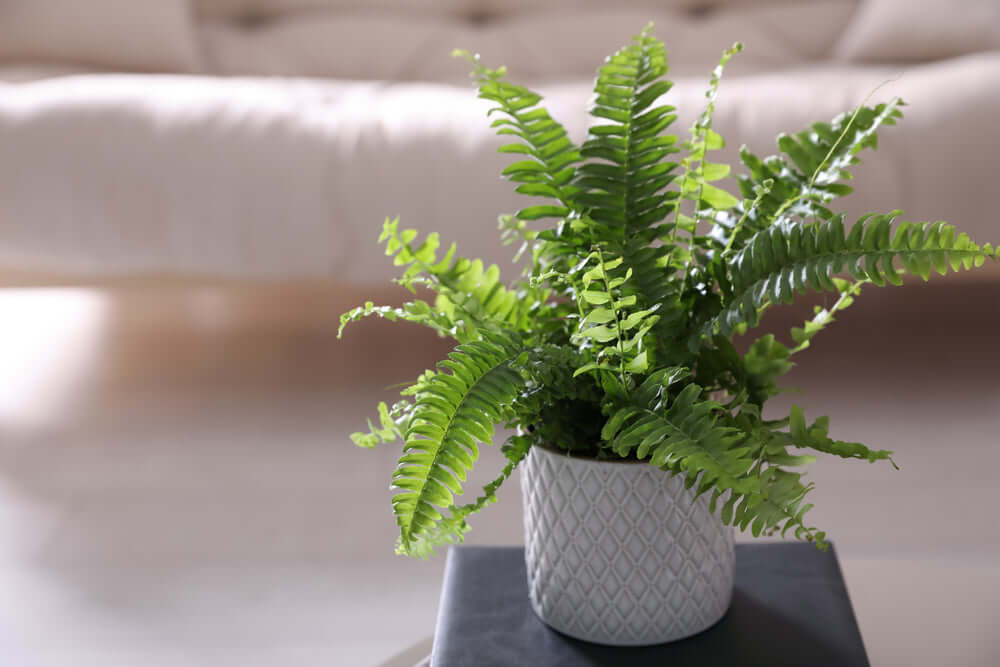
You can't have a list of indoor ferns without a Boston Fern․ These huge‚ feathery ferns arch their fronds up to 2-3 feet long‚ and can be used in hanging baskets to create a beautiful trail․ More tolerant than most feathery ferns of the average indoor relative humidity‚ it does appreciate a misting or pebble tray․
Boston Ferns are very fast-growing in bright indirect light and can fill the basket in a single season with good watering․ They are one of the more common ferns sold for indoor use at nurseries‚ such as TN Nursery‚ and are a good choice if you're looking to grow ferns indoors․
Bird's Nest Fern
Unlike most other feathery ferns‚ this one bears broad‚ fluted leaves‚ wavy and apple-green in color‚ instead of leaflets․ It grows in a flat rosette‚ which resembles‚ you guessed it‚ a bird's nest․ It handles low light levels and low humidity better than most ferns on this list‚ so it is suitable for use in an office environment or other rooms without a north-facing window․
A Few Realistic Expectations
Ferns grown indoors do not grow at the same rate year-round․ Ferns almost constantly grow from March through October and go dormant during winter‚ even with optimum care provided indoors․ That's normal‚ it's not a sign something's wrong․
Frond loss is also normal wear and tear; old fronds turn yellow and die back as new fronds grow in․ Trim these off underneath‚ making sure you don't pull and damage the crown of the plant․
A Tennessee woodland brought indoors
Part of what makes ferns so nice is that connection to the forest floor‚ that same cool‚ green‚ shaded quality you'd find on a hike through the Smokies․ When you grow ferns inside‚ you have that same feeling at home at any time‚ even smack in the middle of a Knoxville winter․
A collection of many different leaf shapes‚ from the delicate lacy Maidenhair Fern to the thick shiny foliage of a Bird's Nest Fern‚ can be incredibly unique․ TN Nursery sells wide varieties as a large established plant‚ not a juvenile plant or spore‚ that you can root into your home and have a major head start with your fern collection․
"

