
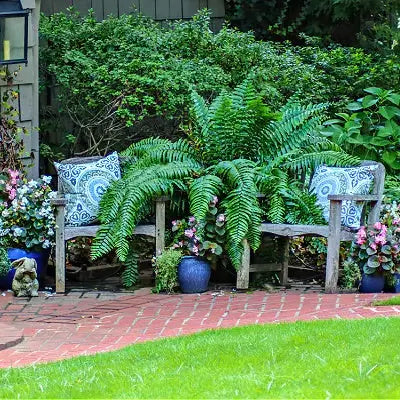
Designing a Lush Fern Garden
There are few plants that can rival the ferns when it comes to elegance; with deep green foliage and delicate fronds they are a natural choice for bringing a bit of picturesque into any garden․ This attractive garden showplace contains a wide range of showy ferns․ Ferns can be a fascinating and attractive addition to a landscape due to their unique look‚ wide range of species to choose from‚ and their versatility and adaptability․ This guide will help you learn about showy ferns‚ how to display them‚ and how to best care for them․ This venture gives not only an improved beauty to our environment‚ but also a greater understanding of these extraordinary beings that have existed on our planet for millions of years․
An especially useful aspect of ferns is their texture․ Ferns do not have conspicuous colored flowers that will dominate the view as many flowering plants do‚ so they can be used for texture contrast․ As I have said elsewhere‚ the dissected foliage of these ferns‚ however finely cut or broad and graceful‚ lends interest to a garden in which ferns of different heights and textures can be harmonized․ For example‚ the fine textured fronds of the maidenhair fern are an ideal foil for those of the sword-shaped autumn fern․ In the garden‚ taller ferns may be placed towards the back and allowed to spill over the top of shorter species to create a verdant background that rustles in the wind․
Ferns Prefer Shade
These types of layouts benefit from careful selection of space and light․ Ferns are often found in shaded‚ humid areas under trees․ Areas should be manipulated to emulate conditions‚ commonly by the creation of raised beds or containers to separate cultivars requiring a shadier area from the rest of the garden․ Shadier areas may be further improved using cultivars such as Japanese painted fern that feature a metallic sheen to the green foliage․ Other plants that prefer dappled light may be well suited to the light green foliage of the ostrich fern․ The chosen location depends both on the way the plant grows and its overall appearance․ The secret may lie in an imperceptible equilibrium of the ferns‚ a sacred space for the senses․
Selecting the right ferns is critical to making our showplace garden successful․ With thousands of species available‚ there are many interesting patterns‚ growth habits‚ and colors to consider when selecting ferns․ The different varieties are all compatible with each other and look entirely at home in the garden․ The delicate feathery leaves of the lady fern blend well with the more strong fronds of the hairy-stemmed fern․ The evergreen ferns provide year-round interest and the deciduous ones provide seasonal interest‚ change and an impression of fresh growth and renewal․ When selecting ferns for a garden‚ the mature size and spread of each species or cultivar needs to be taken into account to ensure that plants are not competing for space․
Although it is enjoyable to create a fern garden‚ the task can be difficult and time-consuming․ Ferns need regular attention․ Watering must be frequent‚ especially newly planted ferns; they prefer moist conditions but cannot abide waterlogging․ Mulch may be used as a weed guard around each plant‚ to reduce moisture evaporation from the soil and to keep weeds from using the same soil nutrients and moisture as the ferns․ Pruning off dead fronds makes ferns look neater and encourages new growth․ By observing the conditions our ferns are happiest growing in‚ we are able to cater our care regimens to their requirements‚ ensuring that they continue to grow healthy and strong from season to season․
Soil Requirements for Ferns
Next to the choice of ferns the kind of soil used is very important in establishing the showplace․ Most ferns require a rich‚ well-drained soil retaining a fair degree of moisture․ Fern roots thrive well in their potting medium‚ which should contain soil‚ compost and organic matter․ Soil pH can be tested to determine its condition‚ a slightly acidic to neutral pH level is best for most types of ferns․ Organic fertilizers can be used to provide proper nutrition for healthy growth and a rich color․ It is also possible to create the right environment in the soil if we know the type of soil in which the ferns will be growing․
The habit of creating a garden showplace‚ through the art of the fern‚ is a matter of keen appreciation of nature's handiwork․ Taking into account the contrast of textures‚ the harmonious arrangement‚ the selection of varieties‚ the study of the requirements of growth and the soil‚ the result is a place of beauty and repose․ Each fern is unique and adds its charm to our living landscape which changes with each season to reflect the cycle of nature and the rhythm of life itself․ The fern garden is a beautiful addition to any home‚ reminding us to reconnect with and be part of nature among our fast-paced society․ By nurturing these elegant plants‚ we create a sanctuary where calm‚ creativity‚ and a sense of wonder are ever-present in our lives․


