
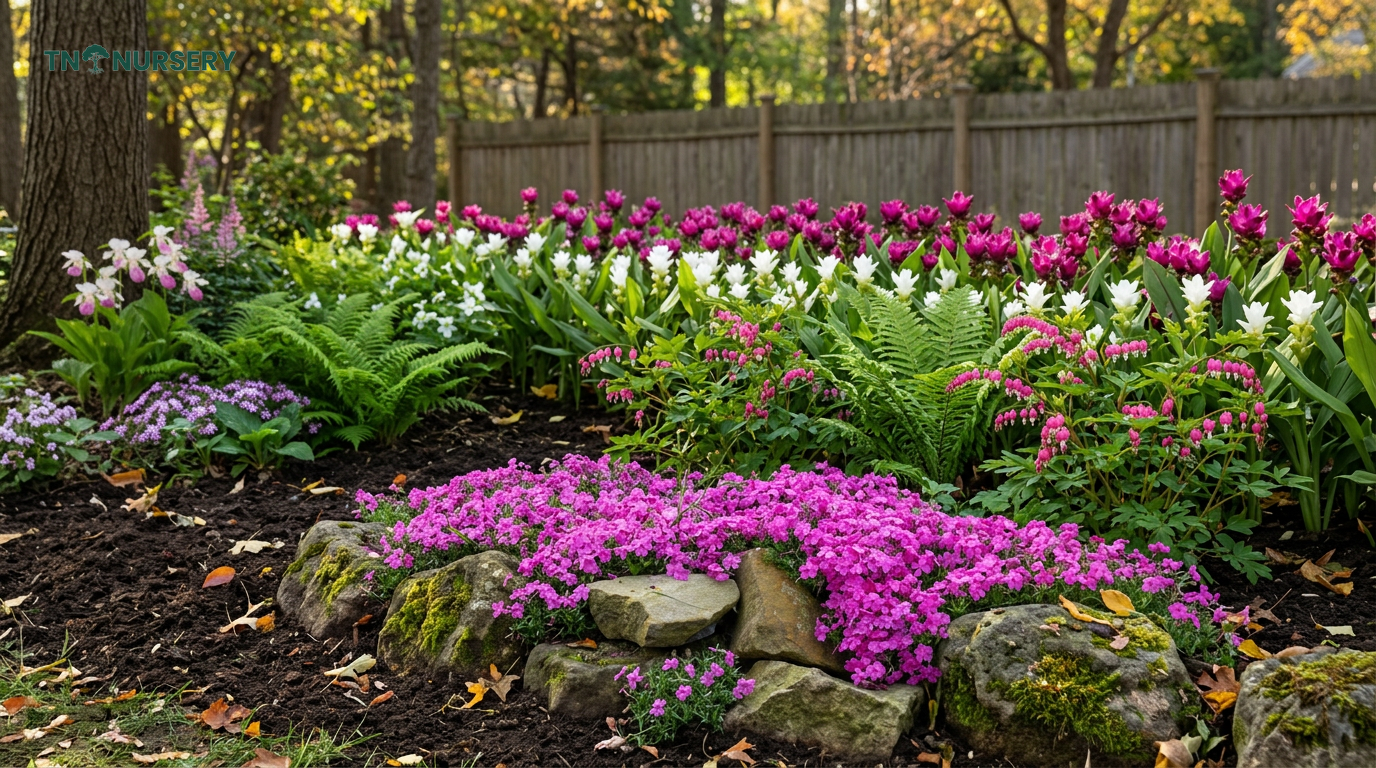
Outdoor Fall Plants Start With Your Gardening Zone
Ask what is my zone for gardening before you plant. Cooler soil helps roots settle in, and our zone-based fall collections keep your landscape practical and low-maintenance.
Why Fall Still Wins for Planting in 2026
- Root growth often continues well after summer heat breaks, even when top growth slows down.
- Many perennials and groundcover plantings establish well in fall and enter spring with a stronger start.
- USDA hardiness zones help answer what is my zone for gardening and narrow your safest planting window.
- Plant survival improves when you match varieties to real sun, shade, moisture, and maintenance conditions.
Match Outdoor Fall Plants to Your Yard: What Is My Zone for Gardening?
We pulled these nine plant packages together for homeowners who want reliable fall establishment, pollinator support, and structure that lasts beyond one season.


How to Choose Fall Plants by Zone and Site
Planting outdoor fall plants starts with one practical question: what is my zone for gardening? Your USDA hardiness zone tells you the average winter low in your area, so you can rule out plants that will not handle your coldest nights. But zone is only step one. We also want you to check your first frost date, how fast your soil drains after rain, how many hours of sun the bed gets, and whether that spot stays dry or damp in late fall.
How to choose the right outdoor fall plants?
Start with your zone map, then walk your yard. A front foundation bed with six hours of sun behaves very differently from the shaded ground under a maple. We match plants to the place first, because a pretty choice in the wrong spot usually means weak roots, winter loss, or too much upkeep next spring.
Best fall planting windows by zone
If you are in colder zones, plant earlier so roots can settle before the ground locks up. In milder zones, you get a longer runway, often well into late fall. Keep in mind that fall-planted stock may look quiet or even sparse at first. That is normal. Root growth matters more than top growth this time of year.
- Cooler zones: Plant about 6 to 8 weeks before hard freeze.
- Middle zones: Aim for 4 to 6 weeks before the soil turns cold.
- Warmer zones: You can often plant later, but still water deeply before freeze events.
What is my zone for gardening?
Your zone is your winter survival baseline. It does not tell you if a bed is soggy clay, dry shade, or blazing afternoon sun, so always narrow your choice with site conditions after you find the zone number.
How to plant for sun vs. shade
Sunny front-yard beds usually handle more flowering perennials and seedlings, especially where air moves and soil drains well. Under trees, we lean toward groundcover and shade-tolerant perennial plantings that can handle root competition. And for bare slopes or awkward edges, low-spreading groundcover helps hold soil in place better than widely spaced plants.
When to choose perennials vs. ground covers vs. seedlings
- Perennials: Best for front beds where you want repeat growth each year.
- Groundcover: Best for filling under-tree shade and stabilizing open soil.
- Seedlings: Best for naturalized edges and larger planting drifts on a budget.
How to prepare beds for overwintering success
Loosen compacted soil. Set plants at the same depth they were grown. Then mulch lightly, not against crowns or trunks. We also suggest one deep watering after planting and another before a hard freeze if your fall stays dry. Space for mature width now, even if the bed looks a little open. So, if you are unsure where to start, our Cool Season Planting Favorites can simplify the decision.
Fall planting is quieter than spring, but it is often better for root establishment. Expect steady settling in, not a big top-growth show before winter.
Zone-Based Fall Planting Pick

Zone-Matched Ground Cover Mix for Outdoor Fall Plants
If you're asking what is my zone for gardening, this is the clearest place to start. We send 25 bare-root ground covers selected for your climate range, so you can plant with less guesswork and focus on filling slopes, edging paths, and covering open soil before winter. Keep in mind that the exact mix varies by zone, but that is the point: you get plants chosen to fit local conditions instead of forcing one variety to work everywhere.
- 25 bare-root plants selected for planting zones 3 through 9
- Low-growing habit under 12 inches helps cover open ground neatly
- Works well for landscaping and flower garden areas with species matched to local light conditions
Outdoor Fall Plants by Zone: 4 Ways to Build Color, Shade, and Meadow Style
Not sure what is my zone for gardening? We grouped these picks to help you plan with purpose, whether you need a long-bloom border, a shaded layer under trees, or a looser cottage-style drift that settles in before winter.
Frequently Asked Questions
What is my zone for gardening, and how do I use it when buying plants?
Your gardening zone tells you how cold your winter usually gets. That helps you choose plants that can handle your local lows. If you have ever asked what is my zone for gardening, check your ZIP code on the USDA zone map first, then match that zone to the plant listing before you order. We always suggest starting there, because zone fit matters more than trying to force a tree, perennial, or groundcover through a winter it was not built to take.
What are the best outdoor fall plants to buy?
For most homeowners, the best outdoor fall plants are perennials, groundcovers, trees, and flowering trees that can settle roots while the soil is still warm. Fall also works well for seedlings when your weather is cooling but not frozen. We like fall planting because roots keep growing after summer heat breaks. But keep in mind, top growth may slow fast, so you are planting for root establishment first and showy growth later.
When is too late to plant in fall?
It is too late when your ground is freezing hard and roots cannot settle in. In many areas, you still have a good window after the first light frost. Look, the soil matters more than the calendar. If you can dig the hole and water it in well, you may still be on time. But if repeated hard freezes are already locking up the ground, wait for the next safe planting season.
How much watering do new perennials and groundcovers need before winter?
New perennials and groundcovers need steady moisture after planting, even in cool weather. Water deeply right after planting so the root zone is fully soaked. After that, keep the soil lightly moist, not soggy, until the ground freezes. Sandy soil dries faster. Clay holds water longer. So check the soil with your finger a few inches down instead of watering on a fixed schedule.
Will plants look dormant when they arrive?
Yes, and that is normal in fall and cooler seasons. Trees, seedlings, perennials, and groundcovers may arrive with little top growth, bare stems, or a dormant look because the plant is saving energy for roots. That can worry first-time buyers. It should not. We ship living plants, not forced greenhouse showpieces, so fall orders often look quiet above ground while they are still viable and ready to establish.
What should I mulch with after fall planting?
Use a light layer of natural mulch such as shredded bark, pine straw, or clean leaf mulch. Keep it a few inches away from stems and trunks so moisture does not sit against the plant. We prefer a moderate layer, not a thick pile. Too much mulch can trap excess moisture and invite rot, especially around young seedlings and perennials.
How does TN Nursery ship plants, and what if I need help with an order?
We ship all items by 3-4 day ground shipping. If you need help before or after your order, email us at customerservice@tennesseewholesalenursery.com or write to Tennessee Wholesale Nursery, 12847 State Route 108, Altamont TN 37301, United States. We do not accept returns and we do not offer refunds. If a product issue qualifies and the plant is available, we can offer a reshipment. If it is out of stock, we may offer in-store credit. We only offer a plant warranty when an extended warranty is purchased at the time of order.
Conclusion
Key Takeaways
- Identify your hardiness zone before you buy.
- Check sun, shade, and soil moisture in the exact planting spot.
- Choose perennials, groundcover, or wildflowers based on the job you need done.
- Plant in time for root growth before your first hard freeze.
- Shop zone-aware collections at TN Nursery for stronger long-term survival.
