
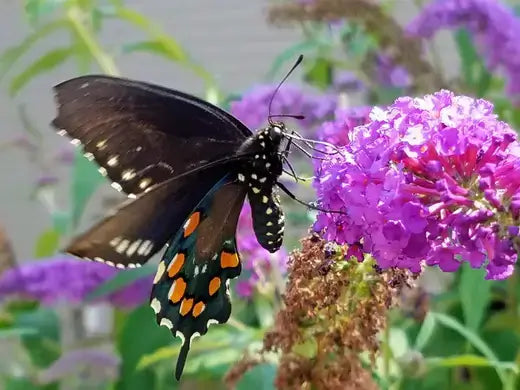
Enhancing Your Garden with Butterflies
Butterflies are certainly a fascinating creature that can bring color and life to any flower garden‚ as they hover and float from plant to plant‚ gracefully presenting the wonders of nature with their colorful and delicate wings․ In order to attract these wonderful pollinators and create a thriving habitat‚ a gardener must learn about butterflies and the conditions that are required for these beautiful insects to visit and stay in a particular garden․ Below are some facts about butterflies and tips for butterfly gardeners․
Common garden butterflies include two well-known species‚ one (the Monarch butterfly) recognized by its long seasonal migration‚ the other (the Swallowtail) by its distinctive markings and colors․ The Painted Lady‚ an orange and black butterfly‚ is a common butterfly․ Other butterflies that may be seen are the Cabbage White‚ which flits around vegetable gardens and patches․ Since each butterfly has its own environment‚ the plants in a butterfly garden should correspond with the native plants in the location to attract butterflies and to provide for their needs․ By understanding their specific features and habits‚ gardeners can increase their chances of attracting these butterflies to their garden․
Why Plant Selection is Important
Plant selection is one of the most important components of a butterfly garden․ While exotic flowers are sometimes considered the best plants to cultivate for butterflies‚ it is generally best to select native butterfly plants‚ as they are adapted to local conditions․ Butterfly gardens also contain flowers that bloom at different times to provide butterflies with food sources throughout the season․ Some plants such as the coneflower or the milkweed and tiger lilies are also good for attracting pollinators such as bees and other helpful bugs․ The gardener who plants a group of flowers‚ that are close together‚ is providing a place where butterflies can easily see and discover the nectar source․
Nectar plants are the main food of adult butterflies․ Nectar provides energy in the form of sugar to achieve flight and procreate․ The flowers of nectar plants have evolved many characteristics‚ such as colour and sweetness‚ to attract butterflies․ A desirable nectar plant should have several flower types to lure different butterfly species with different proboscis lengths․ Flat-topped flowers such as those of the yarrow or of a sedum plant are suitable for butterflies at rest․ Those of tubular flowers such as those of honeysuckle are suitable for butterflies with longer proboscises․ The nectar plants available in a garden can increase the diversity of butterflies and also produce a colorful display․
Host Plants are Essential for Butterflies
Host plants are equally important to creating a butterfly oasis․ These are the plants where butterflies lay their eggs and the caterpillars feed as they develop․ Many butterflies will have preferred host plants‚ such as milkweed for the Monarch butterfly‚ because the caterpillars will consume the leaves of the plant․ All life stages of butterflies (egg‚ caterpillar‚ and adult) need host plants integrated to the landscape correctly to support the life cycle․ This is equally as important as attracting the adult butterflies because it is how a population is maintained over the years‚ and will return time and again․
However‚ simply planting flowers will not necessarily draw butterflies‚ and providing a habitat that offers protection from predators and meets all the other requirements of a butterfly's life is essential․ Encouraging caterpillars to pupate in the garden can be done by leaving parts of the surface bare or by planting low shrubs․ Insecticides are not suitable for protecting caterpillars as they will also kill the newly emerged butterflies and other helpful insects‚ such as predators and parasitoids․ A shallow dish of water or a small pond can also attract butterflies‚ especially in summer when the sun warms the water and butterflies stop to drink from it․
In brief‚ butterflies are not only beautiful visitors to your garden‚ they also play an essential role in pollination services․ Gardeners can attract butterflies to their gardens by providing the required conditions and proper natural habitat for butterflies that include nectar plants and host plants for their babies (larvae)․ A butterfly-friendly garden is a way to help improve the local eco-system as well as an opportunity to develop a closer relationship with nature and to observe the natural cycle of life․ Whether you are an expert gardener or a newcomer‚ you will be well rewarded by the colorful splendor and wonder of the insect life that wildlife in your garden has to offer․


