
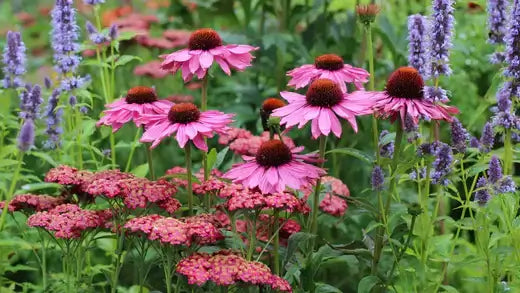
Long-Blooming Perennials That Keep Color Coming in the Summer
If you want something that blooms for more than a couple of weeks‚ go with perennial bloomers that have been bred or descended from those that bloom for the longest time‚ such as coneflowers‚ daylily‚ blanketflower‚ black-eyed Susan‚ etc․ These bloom from late spring until the first hard frost in some cases․ A bed could cover six months in many cases‚ such as Zone 6b-7b in Tennessee‚ with little replanting and surprisingly little maintenance once established․
The trick is not to try to find one miracle plant but to understand the bloom cycles well enough to layer a series of long-blooming plants. Here's what works in a Southeast garden‚ and what most articles fail to mention․
Coneflowers: The Backbone of a Long Season
Since echinacea is native to the eastern and central United States‚ it thrives in Tennessee's clay soil and hot‚ humid summers․ It will bloom in early June if planted in the spring after the last average frost date of mid-April in Middle Tennessee․ Deadheading spent blooms weekly or so will produce new flower heads through the month of September․
One caveat: coneflowers do not need rich soil; they tend to be leggy and flower little when the soil is rich․ They prefer full sun (minimum six hours) and well-drained soil․ If your yard tends to hold standing water after heavy rain‚ raise the bed a few inches or mix coarse sand in the soil․ Established plants apparently tolerate drought better than almost anything else here‚ showing no adverse effects even after two weeks without rain‚ once roots are established (usually by year two)․
Leave the seed heads on plants to winter instead of cutting them back in fall․ Goldfinches will eat them for seeds‚ and they add interest to the garden․
Daylilies: Built for Reblooming‚ Not Just Long Bloom
Daylilies are sometimes grouped with the long-blooming perennials‚ but the mechanism is different since the flower only lasts one day (hence that term in the name)․ A mature daylily clump will put up multiple scapes‚ each with a dozen or more buds․ That's how you get four to six weeks of color out of one clump․
For the longest season‚ breed reblooming daylilies such as Stella de Oro and Happy Returns, which bloom in early summer‚ take a short break‚ and begin blooming again in late summer․ By combining early‚ mid‚ and reblooming daylilies‚ it is possible to have daylilies blooming from May through September in most areas of the United States․
Daylilies need dividing every three to four years in early spring or fall when the clump becomes crowded and produces fewer scapes and smaller flowers․ This is a top complaint by gardeners‚ who expect daylilies to require little maintenance․ They're low-maintenance‚ not no-maintenance․
Blanket Flowers: Resilient and Suited for Hot Weather
Gaillardia is a better fit for Tennessee summers than most other ornamental plants․ Native to the Great Plains of the United States‚ blanket flowers easily tolerate drought and heat․ Once established‚ these plants require little supplemental water except during extended periods of dry conditions․
They bloom from late May until the first frost‚ and possibly longer in Tennessee if the fall is warm enough․ However‚ blanket flowers are short-lived perennials with a life span of three to four years․ The workaround is simply that if you let some flower heads go to seed in the fall‚ eventually seedlings will appear and you will have a patch that grows itself․
Overwatering may cause root rot‚ and adding rich amendments may invite fungal diseases in humid conditions․ These are the leading reasons blanket flowers fail to thrive in the southeastern United States․
Black-Eyed Susans: The Reliable Late Summer Anchor
Rudbeckia hirta and its perennial relatives (e․g․ Rudbeckia fulgida‚ the orange coneflower)‚ typically reach maximum bloom during the July through October time frame observed in Tennessee․ Knowledge of blooming times is important to North American gardeners‚ because blooming times of related plants can fill in the fall for spring and early summer bloomers․
Black-eyed Susans tolerate clay soil better than almost any of the other perennials on this list‚ so in Tennessee‚ there's no need to amend the soil to grow it in heavy clay․ They are also prolific self-seeders such that a relatively small number of plants can fill in a bed in two years․
Here's one that most people don't think of: consider cutting black-eyed Susans back by a third in early July if they are getting leggy or flopping․ The flowers will be a couple weeks later‚ but the plants will be thicker‚ bushier, and healthier‚ and by the season's end, they will have more flowers․
Butterfly Weed: The Pollinator Specialist
Asclepias tuberosa is a milkweed relative that deserves more attention than it usually gets for its clusters of bright orange flowers in summer (June to August)․ This plant is a required host for the larvae of monarch butterflies‚ and the only plant they can eat․
Butterfly weed has a long‚ thick taproot․ It is drought-resistant‚ but resents transplanting once established․ Choose a permanent site; it is slow to start in spring and often the last perennial in a bed to show green growth‚ so mark its position to avoid digging it up in April․
Creating a Six-Month Bloom Sequence
Many gardeners in Tennessee can extend the flowering period well into October by planting these five perennials in a single bed:
- May-June: Coneflowers and first daylilies bloom - June to July: blanket flowers and butterfly weed make an appearance․ - July and August: Black-eyed Susans and other flowers replace them - August-September: Reblooming daylilies produce a second flush - September-October: Coneflowers and black-eyed Susans carry the garden to frost
We grow all five of these perennials up at TN Nursery for our Southeast conditions․ This may not sound like much‚ but many plants from Midwest or Northeast nurseries won't grow well‚ due to the differences in humidity and the clay soil‚ during their first growing season․ Starting with regionally grown plants gives you a real head start on establishment․
A Few Practical Notes
All five of these perennials can be mulched with two to three inches of shredded bark or shredded leaf mulch․ Mulch will moderate soil temperature‚ reduce watering needs‚ and keep weeds from competing with young plants until they are well established․
There is no need to constantly fertilize these perennials․ One application of balanced‚ slow-release fertilizer in early spring‚ if desired‚ is sufficient․ This causes the plant to tend to produce leaves rather than flowers‚ which is usually undesirable․
Each of these plants deserves at least one full growing season of evaluation; perennials‚ after all‚ follow that old garden adage: first year they sleep‚ second year they creep‚ third year they leap․ Most plants only have extended bloom periods if they are mature‚ second-‚ or third-year plants‚ and not still establishing root systems‚ as first-year transplants are․
"

