
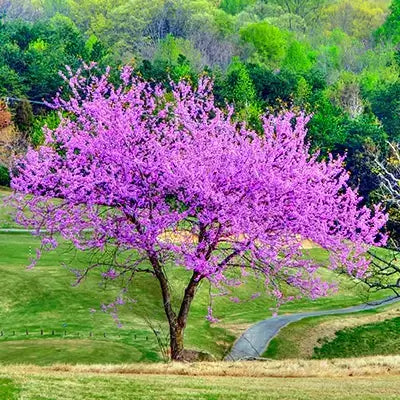
The Redbud Tree: A Complete Growing Guide for Southern Landscapes
Eastern Redbud or Cercis canadensis is a small to medium-sized native flowering tree that produces a spectacular and stunning display of magenta-pink flowers very early in the spring before the new leaves fully expand․ It is one of the easiest and most satisfying ornamental trees you can plant if you live in Tennessee or anywhere that gets USDA plant hardiness zone 4 through 9․ Generally‚ a redbud reaches 20 to 30 feet high and wide in 10 to 15 years․
Redbuds are native to most of the eastern and central United States‚ from southern Ontario to the Midwest‚ the South‚ and the Southeast‚ west to Texas․ Tennessee is in the native range of redbuds․ They are well adapted to the climate here and are not surprised by our summer heat or winter cold․ They indicate the precise conditions which are needed for their existence‚ whether it be on highway medians‚ the edge of a hardwood forest or the understory of larger trees․
Why You Should Plant Redbuds
But the flowers are the main attraction․ While most other trees have barely begun to leaf out‚ redbuds are covering their bare‚ crooked branches with clusters of small‚ pea-like flowers‚ ranging in color from pale pink to deep magenta-purple․ This happens from late March to early April in Middle Tennessee (earlier still in West Tennessee‚ still later in the mountains)‚ and the flowers also emerge from the trunk and on older branch wood and not just the new wood․ The phenomenon is known as cauliflory‚ and results in a somewhat sculptural appearance to the tree․
After flowering‚ heart-shaped leaves are produced‚ which are light yellow-green‚ dark green in mid-summer‚ turning butter-yellow in the fall․ The tree is generally wide‚ often producing multiple trunks․ The naturally graceful‚ layered structure to the branches of this tree requires little or no pruning to maintain its appearance․
Redbuds not only look good‚ but are among the first nectar sources for native bees and other pollinators out of winter hibernation‚ and the pea-like seed pods which follow the flowers provide food for the songbirds of fall and winter․ If you are trying to create a pollinator-friendly yard or otherwise support local wildlife‚ a redbud does more than most ornamental shrubs twice its price․
Redbuds in Tennessee: Site Selection‚ Soil Type‚ and Exposure
This is where many general planting guides falter․ While redbuds do tolerate moist soil,‚ they also tolerate most other soil types․ That includes the heavy clay soil common to most of Middle Tennessee and much of the mid-South․ Redbuds are not fussy about pH‚ thriving in slightly acid to nearly neutral soils; they dislike standing water‚ though‚ so avoid low spots that remain wet after heavy rains․
Redbuds do best in full to partial sun‚ meaning 4-6 hours of sunlight per day․ In the hotter regions of the Southeast‚ some afternoon shade is helpful to prevent leaf scorch during the hottest months of July and August․ This is the plant's natural habitat if planted at the edge of woodlands‚ or under taller trees in their shade․
Give redbud plenty of space․ As small as this tree is‚ its 20-30 foot canopy needs to be spaced from your home's foundations‚ power lines, and other trees․ As a rule of thumb‚ clear 15 to 20 ft around mature structures in all directions․
Planting Dates and Potential Outcomes
Fall planting (from October to early December) is probably the best way in Tennessee‚ mainly because it gives the roots time to settle in before the summer heat․ Spring planting can be done before the last frost‚ but you'll probably have to pay extra attention to your watering that first summer․
Dig the hole twice the size of the rootball‚ but no deeper‚ as one of the most common mistakes made when planting young trees is planting them too deep․ Backfill the native soil removed during excavation‚ but do not mound any extra soil on top of the rootball‚ as that will keep the roots from growing into the surrounding soil․
Growth is moderate‚ at an average of 1-2 feet (30-61 cm) per year once established․ Most redbuds will reach flowering age in the second or third year after planting‚ but seed-grown trees can take up to 10 years to flower․ If you can‚ purchase a nursery-grown sapling‚ as opposed to starting from seed‚ to reach that first spring show quickly․
Care and Maintenance
Give newly planted trees a deep watering once or twice weekly for the first two full growing seasons‚ especially in July and August․ Well-established redbuds are reasonably drought-tolerant ‚ though supplemental irrigation during extended dry periods will be helpful․
A 2-3 inch (5․1-7․6 cm) thick mulch layer several inches away from the trunk can conserve moisture in the soil and help protect the thin bark from lawnmower and line trimmer wounds that can allow canker diseases with which the tree has no resistance to infect the tree․
Little pruning is needed․ Dead‚ crossing, or broken branches can be pruned off in late winter when the tree is dormant․ Pruning heavily will delay flowering‚ as flower buds for the following year are formed on this year's growth almost as soon as flowering finishes․
If the soil contains adequate organic matter‚ fertilizer is often unnecessary․ If leaves are pale or growth is slow‚ a balanced slow-release fertilizer can be applied in early spring․ Redbuds usually do not need fertilization if planted in good soils․
The disease and pest pressure is much less than other ornamental trees‚ though verticillium wilt and canker can occur when the tree is stressed․ Watering during the establishment phase‚ and reducing injuries to the tree's trunk‚ will go a long way toward preventing either of these diseases․
Choosing the Right Variety
The straight species Eastern redbud is a tried and true form‚ but there are cultivars that warrant mention․ 'Forest Pansy' has very deep burgundy-purple leaves from spring through summer․ 'Ace of Hearts' is smaller and more compact‚ ideal for smaller gardens․ The cultivar 'Alba' possesses white flowers instead of pink‚ and can also be planted in mixed plantings for contrast with the species․
At TN Nursery‚ our redbud trees are grown in Southeastern states with hardy weather conditions․ The trees you get from us will have already gone through the hot summer and cold winter of Tennessee‚ not struggling to adjust to a completely different climate․ Pair your redbud with understory shrubs‚ such as dogwoods or viburnum‚ or spring-blooming perennials‚ to create a tiered effect and extend your blooms․
Because they require little maintenance after they're established‚ and because they give so much bang for the buck in terms of beautiful appearance for the amount of space they take up‚ it is easy to see why redbuds are as common in Tennessee woods as in home landscaping․
"

