
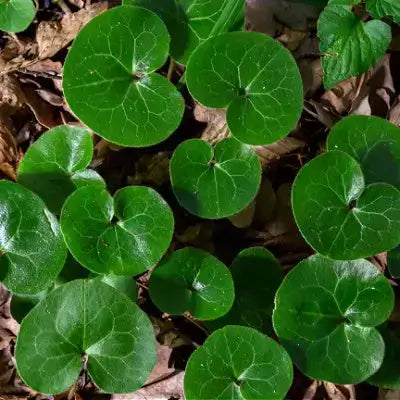
European Ginger - A Timeless Botanical Heritage Continent
Introduction to European Ginger
Asarum europaeum is a perennial herbaceous plant located throughout Europe that grows in shaded forests, cold and damp places. European ginger has been a part of many traditions and has been used for ornamental foliage and has many roots in folkloric medicine. This post aims to explain the outline of European ginger European ginger, its historical culture and its botanical significance, and its importance to the ecosystem.
Botanical Characteristics of European Ginger
European ginger is a descendant of the Aristolochiaceae family and is located in southern France, Italy, Germany, Austria and parts of the Balkans. Wild Ginger European ginger flourishes in rich decayed loamy soils and is positioned in the understory of green leaf-bearing trees.
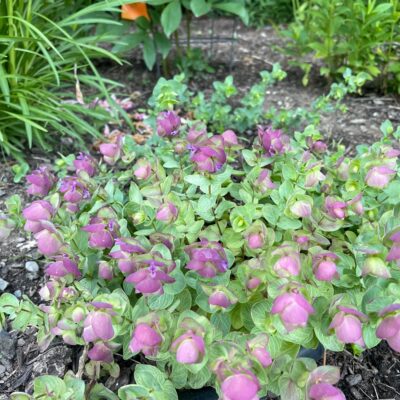
European ginger has rich, green to dark red, waxy leaves in the shapes of hearts that decorate the forest ground. When European ginger leaves are crushed, a sharp, strong spice is produced. During early spring, the plant produces ground-hugging, dark maroon to purple blossoms. European ginger is unique in its ant pollination and produces many seeds in its tiny, droplet, berry-like fruits.
The Untold Story of European Ginger
The mention of European ginger certainly brings fall to mind with an etching of gingerbread men, ginger snaps, and ginger tea. This is yet another evidence of ginger’s reign as an enduringly popular herb. In fact, ginger root is an integral element of herbal medicine with countless praises such ginger’s ability to facilitate digestion and to soothe an upset stomach.
There is another quality of ginger of particular interest, one that should hold special attention for herbal practitioners, and that is European ginger’s folk medicine reputation of protecting against spirits and the malefic ‘evil eye’. Small tangles of ginger plants are used to ward off the ill-willed, which is one good argument for having ginger plants.
Even with its shocking international insignificance, European ginger remains ubiquitous around Europe for the common sense that it is grown.
How European Ginger is Used
Having previously mentioned that European ginger is more than the sum of her plants in folk medicine, I deem it wise to point out that in ornamental horticulture, ginger also displays one of the prime examples of versatility in gardening. European ginger is been known for its seedrenched shade, able to carpet in the shade and of course, appreciated in the woodlands. It is adaptable To numerous soil conditions making it a useful plant for people trying to add variety of textures and aromas in their garden.
Its ability to withstand neglect makes it suitable for planting green carpets under trees and shrubs. This makes it desirable to gardeners in regions with a large deer population as it is also deer resistant.
Historically, European ginger along with its aesthetic appeal also symbolizes strength, resiliency, and fertility. It has seen significant use in folklore and other rituals, giving it its cultural prominence in Europe, where it was believed to bestow health and positive energy.
Ecological Role of European Ginger
European ginger has an important role in its surrounding ecosystem in its native environment. As a ground cover, it helps to cushion the forest floor and minimizes soil erosion. Its dense leaves provide a protective blanket to mammals, insects and amphibians, promoting the biodiversity of woodland systems.
The plant’s flowers also aid other nearby plants” cross-pollination by attracting other pollinators, including ants. Above all, the plant enriches the soil by its decaying leaves, adding organic matter and nutrients cycling on the forest floor. European ginger’s contribution to the ecosystem is more than ornamental; it enhances the ecosystem health and biodiversity of woodlands.
Contemporary Significance of European Ginger
Since it was first discovered, European ginger has remained in the focus of attention of botanists, garden creators, and even conservationists. Besides the interest of these professionals, new studies on the role of European ginger in supporting the local biodiversity improves its standing even more. Still, conservation efforts focus on the protecting natural habitats, as the geographical fragmentation and the disappearance of habitats threaten global biodiversity.
The role of European ginger in ethnobotany and the importance of preserving biodiversity has led European ginger to be integrated to the educational collections of global Arboreta and Botanical gardens. More studies have been published more recently on the possible European ginger health benefits, particularly on its anti-inflammatory and antioxidant effects.
For More Information, Visit TN Nursery
For those who want European ginger and other unique plants, you can have them at TN Nursery which is an online nursery. European ginger and other perennials can be added to your garden while many plants are available at TN Nursery, making it easier to search for a garden helper.
FAQs
Does European ginger like sun or shade?
European ginger grows best in shaded areas, especially in moist woodlands beneath broadleaved trees. European ginger, enjoys partial and even complete shade, as well as a myriad of soil conditions, making it a good canopy plant for garden woodlands or shaded landscape designs.
Is European ginger invasive?
European ginger is not invasive due to its slow growth. Also, it is usually grown in gardens where it is maintained as a ground cover plant. It can be effectively controlled by pruning, without the concern of being as aggressive as other plants.
What is the difference between wild ginger and European ginger?
Although both Wild ginger (Asarum canadense) and European ginger (Asarum europaeum) share traits, they are completely different species. Wild ginger is indigenous to North America, whereas European ginger is widely distributed throughout Europe. European ginger has shiny, heart-shaped leaves, while wild ginger has muted green leaves with a different flower structure.
Does European ginger spread?
European ginger densely covers the soil while interconnecting with its rhizomes, although its spread is quite meek compared to the aggressive sprawl of other ground cover plants. It is commonly used as a ground cover plant, and its aggressive spread can be suppressed by rhizome division every few years.
What not to plant next to ginger?
In the case of European ginger, it is important not to plant next to plants which need full sunlight, as it enjoys the shade. Also, just like with ibex vines and ground-covering aggressive plants like mint, you should not plant them with European ginger as they will outcompete it for resources.
Is European ginger edible?
European ginger is not eaten especially these days. However, it Herbal Medicine does use it. it is considered to have some medicinal qualities which includes, but not limited to, anti-inflammation and antioxidants. Even so, it is not commonly used for cooking.


