
Wood Ferns: The Low-Maintenance Shade Plant Tennessee Gardeners Should Know Better
If you want a shade-loving perennial that will grow under nearly any conditions in Southeast gardens‚ plant wood ferns (genus Dryopteris)․ They produce lush‚ elegant fronds from early spring until the first killing frost․ If you have a shady niche in your garden where nothing else will grow‚ a wood fern will thrive there․ Wood ferns tolerate poor soil‚ are deer resistant‚ and return year after year with almost no help․
That's the short version‚ but here's what you really need to know before you plant․
What exactly is a wood fern?
Wood ferns are members of the family Dryopteridaceae‚ among the oldest plant families in the world․ Fossils of Dryopteridaceae ferns go back over 150 million years․ There are around 200 species worldwide‚ with presence on every continent except Antarctica‚ with several species being native to the Eastern United States․
The most popular Dryopteris in cultivation is the Marginal Wood Fern (Dryopteris marginalis) or leatherwood fern․ It is as common in the trade as the Autumn Fern (Dryopteris erythrosora) with coppery-red growth on emerging shoots that matures to deep green․ Both are hardy ferns for Tennessee gardens‚ and both are semi-evergreen‚ with some green fronds surviving January and February in Tennessee․
Most ferns require consistent moisture to maintain appearance‚ making the drought-tolerant nature of wood ferns‚ once established‚ an important asset for gardens in a typical Tennessee July․
Growing Zones: Realistic Timelines
Wood ferns are present in USDA hardiness zones 4 through 9‚ from the mountains of far eastern Tennessee to the Mississippi River bottomland of far western Tennessee‚ and most require neither a particular elevation nor a microclimate to flourish․
It is best to plant it in the spring after the frost date‚ or in September into early October when roots are able to grow‚ before the heat of the summer or the cold of the winter sets in․ The fall planting often gives slightly better results in Tennessee the first year․
Don't expect much dimension the first year: most wood ferns spend their first year establishing their roots‚ so the fronds don't grow much larger than 12 to 18 inches across during that time․ In the second year‚ a full‚ rounded clump will have formed‚ and by the third year a mature plant will be between 18 and 24 inches tall x 18 and 24 inches wide‚ and some species can get even larger depending on the species and location․ However‚ these are clump-forming ferns and not the intrusive runners of other species․
Light‚ soil, and water requirements
Light: Part shade to full shade․ Dappled light under the high canopy of oaks‚ hickories‚ and tulip poplars is closest to their natural woodland habitat․ They'll tolerate several hours of morning sun‚ but can scorch in the hot afternoon sun of Middle and West Tennessee summers․
Soil: A lot of people overthink it․ Wood ferns aren't picky about soil type‚ but they do want good drainage․ Heavy Tennessee clay is fine if liberal amounts of compost or leaf mold are worked in well at planting (a couple inches worked into the planting area before planting is usually sufficient)‚ but the rocky‚ thin soil typical of ridges and hollows in East Tennessee is actually closer to their native preference․
Water: Keep the ground slightly moist during the first growing season while the roots are being established․ Water regularly 2 times a week when dry․ If planted in full sun‚ water more often․ Once established after one year‚ wood ferns can endure moderate drought‚ though they will look their best with one inch of water per week during hot‚ dry periods․
One detail that most care guides overlook, however, is that wood ferns actually prefer leaf litter that hasn't been disturbed over winter rather than a mulch bed․ After all‚ that's what they'd be growing in in the wild‚ and the leaf litter breaks down into just the right kind of organic matter․
What the plant actually looks like․
The fronds of wood fern are lanceolate‚ finely divided‚ and medium or dark green․ Their slightly leathery texture makes them less susceptible to wind damage than are the more delicate fronds of maidenhair fern‚ for example․ The new fronds emerge in the spring in a characteristic fiddlehead whorl from the crown at the middle of the plant․ Fronds in Tennessee typically emerge in April and continue through early summer․
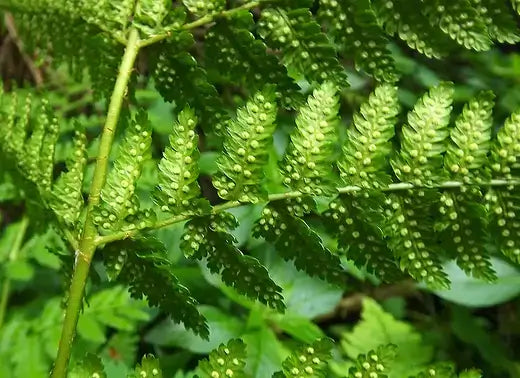
Wood ferns don't flower․ Instead‚ they reproduce by spores‚ which appear as small brown clusters called sori on the underside of mature fronds in mid- to late summer․ This is normal and not a sign of disease‚ though those unfamiliar with ferns may mistake it for a pest or fungus․
Companion Planting
Wood ferns can be used with other perennials for shade with similar moisture and light requirements, such as:
- Hostas to contrast the fern's fine-leaf texture with broader leaves - Astilbe for some color in the same shady‚ moist conditions - New York Fern‚ providing a fern texture‚ to different heights - Fiddlehead Fern for a similar plant‚ with slightly different frond shape or display‚ where care requirements are almost identical․ - Native woodland wildflowers, such as foamflower or wild ginger, for a casual appearance
If you need to create a full shade or woodland garden bed‚ TN Nursery sells these wood ferns with many other compatible plants to create a beautiful forest garden on one order instead of multiple orders piecemeal․
Common Mistakes to Avoid
The worst mistake‚ of course‚ is trying to grow wood ferns in too much sun․ More light means more growth is not the rule with ferns: more light equals scorched brown fronds by midsummer․ Another common error is over-watering‚ which can lead to crown rot if the heavy clay soil does not drain properly․ If the planting site tends to hold water after a rainstorm‚ consider raising the level of the bed or mixing in some coarser material such as pine bark fines․
Also note that with wood ferns, damage from environmental conditions develops over a period of weeks and does not immediately appear‚ so if problems develop with leaf yellowing, check out the soil moisture levels at the root zone‚ not just at the top of the soil․
Why They're Worth Growing
Wood ferns ideally suit the landscape in areas of deep shade where grass will not grow‚ and most other flowering plants do not thrive‚ but where it is desired to maintain vegetation․ Wood ferns‚ once established‚ are self-sustaining‚ resistant to deer and rabbits‚ require little care‚ and maintain their structure and texture for years without being divided․ But for those of you with a shady‚ mossy patch of Tennessee yard that's been an eyesore for years‚ this is about as low-effort a fix as you'll find․
"


