
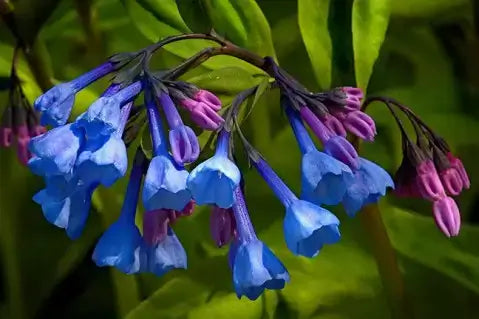
The thought of plants that can survive and come back to the garden year after year is an attractive thought in the mind of any gardener․ Perennial plants are those plants that one can grow in the garden to return and bloom every year‚ unlike annual plants which have to be replanted․ This can be accomplished by growing perennials that bloom in the first part of spring‚ in the summer‚ and in the fall to get a more colorful yard․ Adding perennial plants to your landscape design will result in a colorful‚ full garden with pleasing blooms the whole year through․ With both knowledge and care‚ anyone can grow these tough plants and enjoy the experience for many years to come․
The Best Climate For Perennial Plants
To be able to start growing perennials in your garden‚ it is vital to understand what the best climate for these plants is․ Perennials can be cultivated in almost any climate‚ but the plants tend to thrive in temperate climates with plenty of daytime sunshine and cool nights․ In seasonal climates‚ perennials have time to reach temperatures where temperature changes are helpful for plants․ Areas with hot climates may have the most benefit from heat-resistant plants‚ and cold climates with frost-resistant plants․ As a potential gardener‚ your first step is to learn as much as you can about which varieties grow well in your part of the world‚ and this is the foundation for a successful garden․
Soil conditions also affect the successful cultivation of perennial plants․ Perennials generally prefer well-drained soil with a high proportion of organic material and soil nutrients available for plant uptake․ Soil can be improved by adding compost or well-rotted manure before planting; the final composition in terms of texture and nutrient content‚ and the pH or acidity‚ are important․ Most perennials grow best at a slightly acidic to neutral pH of 6․0 to 7․0․ Soil testing shows the level of acidity or alkalinity available‚ and allows the gardener to make amendments․ At the very least‚ planting beds are created with good aeration in order to optimize conditions for rooting and for the activity of organisms helpful to plants․
Perennial Plants Watering Requirements
Another meaningful aspect of perennial plant care is watering․ Newly planted perennials require watering until their roots become established․ Once established‚ most perennials like to dry out somewhat between waterings‚ which encourages deeper roots that are better able to withstand drought; deep watering rather than frequent light watering encourages deeper roots‚ and more even wetting of the soil․ Another tip is to keep an eye on the soil level during dry spells or in the heat of summer and to apply a light layer of mulch around the base of your perennials to conserve moisture and deter weeds․
Maintenance is also important for perennial flowering plants‚ and deadheading the flowers‚ or removing the spent flower parts from the plant‚ is often done to extend flowering time․ Good horticultural practice involves correct pruning of plants and seasonal maintenance․ For example‚ the division of plants in spring when they become too crowded increases the space around them‚ allowing better airflow and generally resulting in stronger plant growth․ Another way to provide a little fertilizer is sprinkling balanced organic fertilizer into the soil in early spring to give the perennial flowers and plants a burst of nutrition as they emerge from their winter dormancy period․ Proper care can not only increase the life of individual plants but also the entire garden․
Caring For Perennial Plants
As with all branches of horticulture‚ pests are a factor in the care of these plants․ Aphids‚ as well as slugs and spider mites‚ may be problematic‚ damaging foliage and impeding growth․ Natural pest control methods can be effective in keeping gardens pest free without using chemical pesticides․ Ladybugs and lacewings‚ for example‚ will eat pest insects in the garden‚ which makes them a natural pest controller․ Other suggestions‚ including companion planting‚ place perennials with plants that repel the insect pests common to that perennial․ Regular monitoring of the garden‚ and early intervention to control insect infestations‚ are suggested measures that help to keep perennials thriving․
The reward of planting perennials is knowing that you know your climate‚ know your soil‚ know your water‚ know your maintenance‚ know your bugs‚ and know how to create a long-term garden․ Every year there is a new‚ special chapter in the life of the garden‚ and with knowledge and care your garden has the potential to be special‚ brightening up your yard and home even on the darkest of days․ Growing perennials can be a very special experience․ Furthermore‚ growing these hardy plants and being there while they grow and bloom can be an opportunity to experience nature in your own home․ Ultimately we should be considering the planting of perennial plants in our gardens‚ enabling us to take in the beauty that surrounds us․


