
Significance of Crepe Myrtle
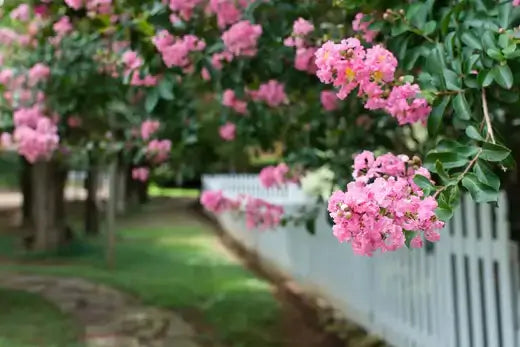
A flowering plant at its most beautiful‚ the Crepe Myrtle tree is a favorite one for nature and garden lovers across the world․ A flowering tree‚ it has rich purple‚ pink‚ white‚ and red colored flowers that blossom in clusters and look stunning when the tree is in full bloom during summers․ The Crepe Myrtle is not just a beautiful tree but also home to various birds and insects․ This stunning tree is an attractive feature for any garden‚ as it is a tree of history‚ culture‚ seasons and delight that will add value to any landscape․
Crepe Myrtle's adaptability to a wide variety of environments‚ especially more temperate or warmer ones‚ and its splash of color‚ has led to it being commonly nicknamed among horticulturalists the "Lagerstroemia" or "the microcosm of summer"․ It is also considered a good choice for eco-conscious landscaping due to its drought tolerance and pest resistance․ The long flowering season of Crepe Myrtle‚ from late spring even into early autumn‚ means that it can provide color in the garden for most of the year‚ making the species popular among landscape architects and hobby gardeners․ So when you see these trees blossoming bright‚ embrace them as not only a visual wonder but also a celebration of sustainability and nature's enduring beauty․
History of Crepe Myrtle
The Crepe Myrtle has an international history․ It is native to parts of Southeast Asia and the Indian subcontinent․ It eventually made its way to the United States in the first quarter of the 18th century‚ and has since thrived in most climates․ This plant has become a popular garden plant in the southern United States․ The Crepe Myrtle has flourished in multiple varieties of soil‚ weather conditions‚ and regional areas․ Although different species yield various physical traits and characteristics‚ the plant has consistently shown its adaptability to regional and environmental conditions‚ and thus has continuously played a unique part in horticultural history․
In cultural symbolism‚ the Crepe Myrtle can be seen in many gardens around the world as a representation of love‚ beauty and resilience․ In some cultures‚ the tree may represent the return of life after winter as the blooming period comes after a long period of dormancy‚ symbolizing hope and new beginnings․ Because of such symbolism‚ Crepe Myrtle trees are often added to parks and other public spaces in order to function as decorations and stories to tell․ Crepe Myrtle trees have been planted by families in honor of personal events such as births and anniversaries‚ and have been added to the memories of kin․ These stands of Crepe Myrtles become monuments after a time‚ keepers of the memories and experiences of a past shared with those who‚ pass through‚ or live beside them․
Crepe Myrtle flowers are beautiful‚ consisting of clusters of fluffy pom-poms‚ and can liven up most gardens․ The many layers of soft petals move pleasantly in the breeze and reflect sunlight to make a constantly changing display of living colors․ The glossy‚ smooth‚ multicolored bark of its thinly peeling papery shafts adds to its appeal in winter and fall․ When planted along streets or in front of residences‚ Crepe Myrtles give a sense of uniformity and add a touch of class to the scene without drawing too much attention to itself․
Seasonal Changes in Foliage
As with most trees‚ the Crepe Myrtle goes through the season of dormancy‚ but comes out of it when spring comes upon the earth․ When spring comes‚ new leaves begin to emerge as little shoots in fresh green again to come forth and grow to their full size in preparation for the summer season․ When summer finally comes‚ the leaves have already formed a very thick crown and the tree bursts forth into its full-colored glory․ Autumn makes its own impact‚ as the leaves turn from green to red‚ orange and gold in preparation for winter․ Even the winter months‚ when the trees are bare‚ make appropriate use of color‚ as the bark makes an effective silhouette against a landscape denuded of flowers․
Thus‚ ultimately‚ the Crepe Myrtle acts as a vivid testament to the beauty and resilience of nature․ With its cultural history‚ importance‚ and seasonal displays‚ the plant provides an atmosphere of joy and solace in gardens and public spaces alike․ On residential streets‚ commercial boulevards or the landmark tree on a square‚ however you find it‚ the Crepe Myrtle is a friend of all those who love the seasons of nature․ A hardy plant‚ as long as we plant and care for it there will always be the feeling of community mingling with the joys that are found in a constantly blooming garden․


