
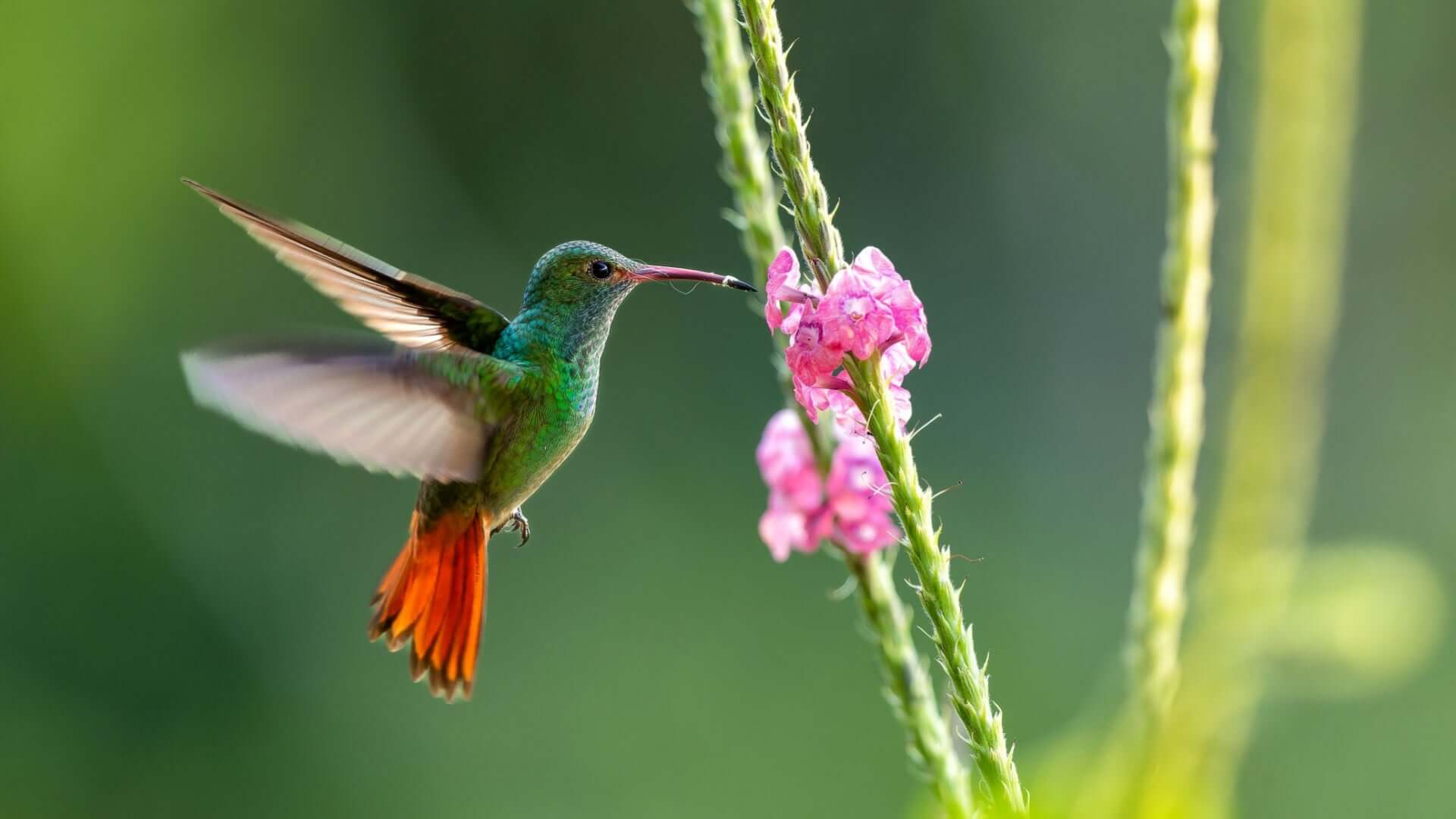
Designing a Vibrant Garden Meadow
A garden meadow landscape design is more than just color․ It is a landscape of grasses swaying in the wind‚ wildflowers of every hue‚ light and shade‚ space‚ and the language of nature itself․ The beauty of a meadow is not only in what you can see‚ but in the wonderful variety of creatures that inhabit it‚ from the industrious bee to the gentle butterfly․ An environment like this requires one to think not only about how it will be viewed‚ but how wildlife and sustainable practices will be woven into the landscape fabric․ We will weave the threads of native plants‚ wildlife‚ and seasonal color into a mosaic to last throughout the seasons․
The use of native plants is important for a garden meadow to be successful․ They are naturally suited to the soil and climate‚ are more sustainable and more resilient․ The plants provide the right food for the local birds‚ insects and mammals - meeting wildlife needs and making a meadow garden an ecologically sound refuge for wildlife․ Purple coneflowers and black-eyed Susans are butterfly and bee plants that provide valuable pollination․ The bright colors are also enjoyable to humans․ Native plants are adapted to the soil‚ heat‚ moisture or cold of the local area‚ reducing the need for additional water and fertilizer that can be damaging to the environment․ This creates a natural habitat and identifies the sense of place around us․
How to Incorporate Wildlife Habitats
Wildlife habitats can also be incorporated into the garden design using structures such as bird boxes‚ bee hotels and insect gardens designed to encourage wildlife to take up residence in the garden․ They can be made from natural materials or even recycled materials to give the landscape a form of natural look while helping to create a habitat․ Small water features‚ such as a small pond‚ can also provide a habitat that can attract animals and plants․ As we see the birds zooming from one branch to another‚ and the insects zipping to and fro over the petals of the flowers‚ the garden meadow comes alive․
The ideal seasonal color garden often has no permanence․ Bright yellows of daffodils and soft purples of crocuses are among the earliest to appear in spring‚ having been asleep underground through the winter's cold before bursting forth․ In summer the reds and oranges of the zinnias or the blues of the delphiniums may mingle with the green of the blades in undulating waves‚ and in autumn the asters turn golden and the ornamental grasses russet‚ and they are still beautiful enough to attract delight as we look at them․ The garden meadow is planned to present an active scene that draws the eye and the spirit throughout the year․
Sustainable gardening‚ such as composting‚ mulches‚ and appropriate watering practices‚ is an adjunct to the creation of a garden meadow․ Such practices help to minimize the ecological footprint of the garden․ Aiming to mimic nature as much as possible‚ the land will take care of itself and be as productive as possible․ Areas will be planted in groups‚ rather than in rows․ Plants will be allowed to grow freely․ This will create a resilient ecosystem that does not need chemicals to deter pests․ In addition‚ collecting rainwater would also support the garden in times of seasonal drought‚ and the meadow would be a model of sustainability and an ecological example for our community․
A Meadow Garden Provides Food for Pollinators
A meadow garden may provide an important food source for many types of pollinating insects‚ such as bees and butterflies‚ by growing flowers that bloom during different parts of the growing season․ In addition‚ fragrant herb plants such as lavender and mint can be added to the garden․ These herbs are not only beautiful to observe‚ but also contribute to the garden atmosphere․ They are also an important part of maintaining the balance in our surroundings․ And when‚ in great quantities‚ such creatures permeate the earth‚ you can see how things grow in the garden‚ and how the circle of life continues․
Thus‚ creating a garden meadow landscape design is not just about creating scenes for the palette․ A garden meadow is about stewarding‚ valuing‚ and delighting the natural world․ As we harvest the bounty of this working landscape‚ we come to know it better․ Every native flower‚ every wildlife hedge‚ every seasonal bloom‚ is something to be learned here․ Our delicate touch through the design expands our own understanding and acceptance of our place within a greater whole․ In gardening a garden meadow‚ we add natural beauty and biodiversity to the world around us‚ but we also contribute to the planet's better future․ By celebrating life in all its forms‚ we call for a greater recognition of the need to balance our lives with nature's․


