
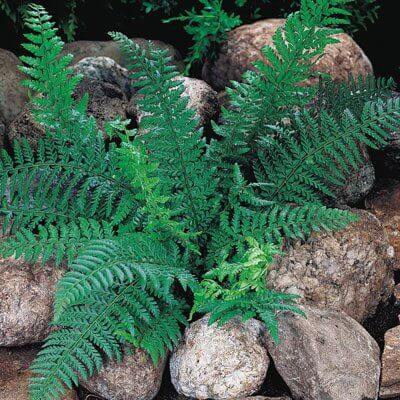
How to Select the Perfect Fern Plants for Landscaping Projects
The best fern for your situation depends on how much sun the site gets‚ how much moisture the soil holds‚ and which USDA zone you're in․ Master those three things‚ and you'll have great luck with almost any fern․ If you get them wrong‚ even the toughest species will struggle no matter how much you baby it․
Many gardeners in Tennessee and in other areas of the Southeast can plant anywhere from zone 6a to 7b‚ and in some spots‚ zone 8․ This also means there are dozens of fern options to choose from․ Some ferns prefer constantly moist soil‚ while others prefer drier and more alkaline conditions․ Finding out which is which will save you a season of trial and error․
Match The Fern To Your Actual Growing Zone
Most of Middle Tennessee is in zone 7a․ The areas around Chattanooga and Memphis are in 7b․ Some areas of higher elevation East Tennessee are in the lower 6a zone․ This is more important than people realize․ Christmas Fern and Ostrich Fern are rated for zones 4-8‚ and will survive the winter in Nashville without protection․ Zone 10 ferns such as Boston Fern need to be brought indoors or treated as an annual when nighttime temperatures drop consistently below 50 degrees Fahrenheit․
Christmas Fern is prominent for being among the few ferns that will endure a Tennessee winter evergreen‚ providing some green structure to the garden in January․ Ostrich Fern dies to the ground completely‚ but once it emerges in spring, it can reach a height of 4-5 feet by early summer in ideal conditions․
Soil Is More Important Than People Think
Ferns are unfairly categorized as easy plants‚ and only if you have the right conditions․ Most of our native ferns are happiest in consistently moist‚ well-drained soil․ Think of a sponge that has been wrung out‚ not a puddle․ The heavy clay soil of Tennessee is an ideal starting place in that it retains water․ Organic matter must be added to soil before planting‚ or the roots will rot in the first year․
When planted‚ try mixing in old compost or leaf mush with the soil around the plant․ A ratio of about 30% organic matter to 70% native soil will work․ If a sandy soil is predominant‚ as can be the case in areas of West Tennessee‚ more watering and more organic matter will be needed․
A good test is to dig a hole a foot deep‚ fill it with water‚ and check after four hours․ If the hole is still full of water‚ then the drainage is far too poor‚ and drainage should be improved before any fern is planted․
Sunlight exposure is not even for all individuals․
Something that a lot of general planting guides don't tell you is that not all ferns prefer shade․ Japanese Painted Fern and Autumn Fern actually tolerate several hours of morning sun, and the new growth of Autumn Fern is more coppery in the morning sun․ What almost no fern tolerates is the hot afternoon sun‚ especially the intense western exposure of most open yards in Tennessee during July and August․
If your site has light shade through the tree canopy for most of the day‚ you have more flexibility․ If your site has full shade under a dense canopy‚ it is better to restrict your choices to true shade lovers such as Lady Fern and Maidenhair Fern‚ which will scorch or brown from more than an hour of direct sun․
Southeastern Native Ferns for Landscape Use
The Christmas Fern‚ evergreen‚ tolerant of clay and drought once established‚ hardy to zones 3 and above‚ is one of the workhorse plants in the Tennessee garden‚ and is an exceedingly reliable border plant at 18 to 24 in (46 to 61 cm)․
If you are looking for a big statement‚ then grow Ostrich Fern․ Ostrich Fern needs to be planted in well-drained soils‚ and it will spread by rhizomes․ It is found around ponds and other low spots that collect water for the entire year․
Autumn Fern provides color rarely found in ferns․ The new fronds are coppery-bronze before turning green․ Autumn Fern is also more tolerant of slightly drier conditions than are most other shade-loving ferns․
Japanese Painted Fern is the choice for silver and burgundy․ It is smaller and slower growing than most other ferns‚ with a height of under 18 inches․ It is a good choice for crowded beds‚ containers‚ and shaded areas near a patio or front door․
The old-fashioned Lady Fern has the fern look‚ with the most ferny or feathery foliage‚ but is not as tolerant of the sun or drought as others on this list and prefers consistently moist‚ shaded beds․
Several of these are sold as bare root ferns by TN Nursery․ Bare root ferns are faster to establish than potted ferns, which may be root-bound as a result of growing in a container․ Bare root ferns in particular lend themselves to this‚ because from September to November here in the South, they root in before the winter cold‚ but then do not have to withstand summer heat and dry weather․
Realistic Timeline After Planting
Water newly planted ferns every other day for the first two weeks‚ and then twice a week for the first growing season․ Established ferns usually need water only during stretches of two or more weeks without rain․
Don't expect much height the first year․ Ferns require their first year in the soil to develop their root systems․ Do not worry if your fern looks rather small in the spring and does not fill out until year two or three․ This is a normal occurrence․ By the third year most of the above should have reached mature size and may be naturalizing‚ so you could just find the ferns appearing elsewhere in your garden as spores are blown off the plants․
In the first year‚ skip fertilizer․ After this‚ a light application of balanced and slow-release fertilizer in early spring is plenty․ Ferns will not need a heavy fertilizer regime‚ and excessive feeding will only result in soft‚ floppy fronds․
Putting It Together
Once you've figured your zone‚ ensured your soil drains reasonably well‚ and been honest with yourself about how much direct sun your site actually sees as opposed to how much you think it gets‚ select two or three species that will thrive there and plant them․ Christmas Fern for structure‚ Autumn Fern for color‚ Lady Fern for softness‚ reads far better in a landscape than any number in pure-dominance plantings․
"


