
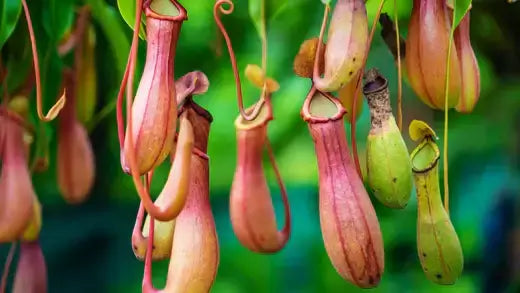
In the back corners of earth's wilderness‚ where thin shafts of light struggle to penetrate dense shades of green and shadows dance on the forest floor‚ there is a family of plants that stand out in more ways than one․ Carnivorous plants grow in eye-catching colors and bizarre shapes and have a characteristic few would ascribe to a plant: they eat insects․ Unlike the rest of the plant kingdom‚ carnivorous plants rely not on sunlight‚ soil and water for their nourishment‚ but on the hunting and eating of the local population of unsuspecting animals․ This is definitely a reminder that nature is beautiful yet dangerous‚ as well as the wonders to be found in local flora․
Prey Trapping Methods
The traps employed by these plants to capture the prey are as various and clever as they are successful․ The Venus flytrap is a plant with modified leaves that close suddenly on an insect prey when the delicate hairs on the surface of the leaves are brushed by an insect foot․ Meanwhile‚ the movement of hair-like structures on the insides of the leaves aids in deterring escape as the trap closes․ The pitcher plant lures insects to a deep tube filled with digestive fluid․ Some plants‚ including various Sarracenia species‚ produce nectar that is brightly colored and scented to attract and sometimes capture insects․ Other plants‚ such as sundews‚ are covered in sticky glandular hairs that look like dew drops and trap anything that lands on them uninvited․ Each one is a testament to the tenacity and inventiveness of these green hunting serpents․
Carnivorous plants are typically observed in areas where conditions are not suitable for a wide variety of other plants to grow‚ as soil conditions are too poor or the land is subject to inundation․ These plants are commonly found in watery habitats‚ such as bogs and swamps․ Due to the common occurrence of acidic‚ nitrogen-poor‚ low-nutrient soil in the habitats where carnivorous plants thrive‚ carnivorous plants have evolved to supplement their nutrient intake with insects‚ allowing them to overcome the limits imposed by nutrient-poor soil that would otherwise make it difficult for plants to survive․ In addition to water needs‚ these plants must occupy a niche where their prey are in plentiful supply․ With these particular conditions met‚ these curious plants are able to thrive and exhibit their odd lifestyles․
For carnivorous plants‚ once prey is trapped and killed‚ the next developmental goal is to optimize the uptake of nutrients․ This is particularly important with nitrogen‚ which is commonly deficient in the natural habitat of carnivorous plants․ The Venus flytrap digests its prey through a series of biochemically catalyzed reactions‚ which degrade them into amino acids that can be absorbed through the leaf cells․ In pitcher plants‚ prey are decomposed by a cocktail of digestive enzymes secreted by the microorganisms in the fluid of the plant's trap‚ which are shared by all community members․ The mutualistic relationship between the plant and the microbe is a good example of how life can adapt and thrive under what would seem to be adverse conditions․
Roles in ecosystems
As carnivorous plant research has matured over the years‚ great strides have been made in the study of not just ecology and feeding‚ but also their overall roles in ecosystems‚ and their interactions with the environment at large․ This includes their interactions with animal life and conservation efforts focused on them․ The fascinating stories told by these organisms‚ as well as the abundance of information available on their natural histories‚ have been influential in both improving our understanding of natural insect control and in inspiring the next generation of scientists․ They also continue to be important in the discovery of new information in fields such as botany and ecology‚ and in medicine․ However‚ as we are learning more about carnivorous plants and their lives‚ we have more and more stories to tell․
Folklore
Carnivorous plants are also widely popular within folklore and mythology․ From the classic tale of monsters that lurk in shadowy bogs to the modern warning of nature's fears‚ almost everyone has heard of these plants‚ and almost everyone has an idea of where they might expect to find them․ In some cultures‚ they are depicted as fierce guardians of the forest‚ as a symbol of nature's wild spirit‚ and a projection of humanity's relationship with the natural world‚ as representations of our reluctance to be prey to carnivores‚ both human and otherwise․ The stories about these extraordinary plants have inspired generations of people‚ creating a deeper appreciation for our connection to biodiversity․
The adaptations of carnivorous plants exemplify the many forms that life on Earth has taken to exploit resources and thrive․ The evolutionary advantages of their feeding and digestion mechanisms‚ the habitats in which they are found and their nutrient acquisition methods are all examples of the wonder that is the plant kingdom․ With continued discovery of what these species are‚ how they fit into their environment‚ and understanding how they fit into human culture through folklore‚ it becomes more and more paramount that we share in the role of respect for these plants and their environment‚ and our own‚ in order to guarantee that the story of the natural world continues well into the future․


