
Brown Turkey Fig: Growing‚ Traits‚ and Landscape Uses
Brown Turkey fig is one of the best fruit trees to grow in Tennessee and the Southeast․ Brown turkey figs produce two crops: a small breba crop in in late spring or early summer and a more abundant main crop from August to October․ Brown Turkey can survive most winters and little dieback in Zones 6-9‚ unlike the huge majority of figs that do not produce or die back markedly above Zone 8․ Brown Turkey is also one of the few figs that can be grown easily in Middle and East Tennessee․ Even if a hard freeze kills back top growth‚ the root system remains and sends out new fruiting wood in spring․
What Makes This Fig Different
The so-called broadleaf evergreen fig is a different fig tree cultivar from the true Brown Turkey (Ficus carica 'Brown Turkey')‚ which is naturally deciduous and loses all its leaves in winter․ Older gardening books sometimes record the cultivars as one․ It breaks dormant buds in April and is sufficiently hardy to survive Tennessee winters․ The tree will attain a height of 15 to 25 ft (4․6 to 7․6 m) at maturity if it is not pruned․ However‚ it is very often pruned to between 8 and 12 ft (2․4 and 3․7 m) by growers who want it as a big shrub‚ or trained as a single-trunked small patio tree․
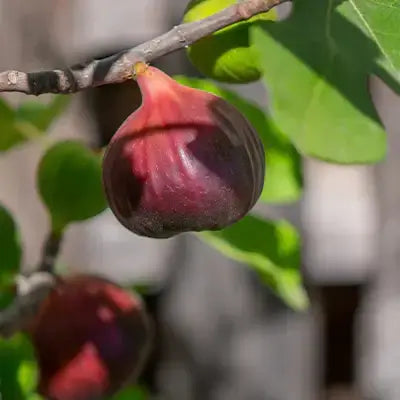
The medium-sized fruit is purplish-brown on the outside and pink to amber inside․ It is sweeter than figs sold in grocery stores‚ which are always picked underripe for transport and storage․ The large‚ deeply lobed leaves are a medium green color that turns a pretty good yellow before leaf drop in the fall‚ giving you a bit of autumn interest most people don't expect from a fruit tree․
Planting and Site Selection
Full sun is a must for a serious fig crop․ Six hours is good‚ 8 is even better‚ as figs get a lot sweeter with more sun․ Plant in spring after your last frost date (around mid-April in Middle Tennessee‚ early April in West Tennessee‚ and late April in those higher-elevation areas of East Tennessee) so that the roots have the entire growing season to establish before winter․
Figs are tolerant of soil pH ranging from 5․5 to 8․0․ They require good drainage․ Heavy Tennessee clay soil is acceptable as long as the planting hole is heavily amended with compost and planted above low spots where water pools after a rain․ Planting on a mound in poorly-drained yards‚ or planting in a raised bed is encouraged to improve drainage․ A tree should be placed 15 feet away from a house‚ or from other trees․ Its roots are aggressive for water and nutrients and compete with other plants․
Watering and Feeding
Newly planted figs should be watered regularly for the first two years to establish roots․ One inch of water per week (or more during late summer‚ a common drought in Tennessee) is recommended․ Brown Turkey is drought-tolerant once established‚ but watering between July and September‚ during the period of fruit formation‚ greatly increases fruit size‚ and is particularly effective in preventing the premature fruit drop that is one of the biggest complaints of novice growers․
When the tree is established‚ you should avoid using heavy nitrogen fertilizers‚ as they will just produce more leaf growth without increasing the number of fruit‚ and may delay fruit ripening․ A balanced fertilizer once a year in early spring‚ or a couple of inches of compost around the roots of the plant‚ should be sufficient․ If the plant grows lots of foliage and little fruit‚ apply less fertilizer․
Pruning: What Actually Matters
Prune dormant plants from late autumn to late winter before the new growth begins‚ starting with dead‚ crossing‚ and broken branches․ Next‚ prune for the form you want: an open center for air and light or a dense hedge for privacy and windbreak․ Likewise‚ although it used to be thought bad practice to prune after the first frost‚ dormant-season pruning is indeed preferred because cuts made during active-season growth are more likely to become infected with plant diseases or ooze sap․
Another rarely mentioned tip is to leave several inches of old wood on the main branches each year instead of hard pruning back to the same spots․ This gives the tree a longer productive life and prevents dieback caused by stress on the plant․
Winter Protection in Tennessee
Brown Turkey is one of the more hardy figs․ Help protect the root crown from winter freeze damage (especially at 10 degrees or less) with a mulch collar around the base of 4 to 6 inches (100 mm) deep․ Gardeners in some of the east Tennessee mountains have wrapped burlap around young trees for the first two or three winters until well rooted․ Subsequently‚ most Brown Turkey figs do not require any special care in winter․
Pests and Disease
There are few diseases of the fig tree․ In humid summers in Tennessee‚ fig rust‚ which appears on the underside of leaves‚ may cause premature leaf fall by the development of orange-brown spots․ Death is rare (and should become less likely with good air circulation brought about by proper pruning)․ However‚ if you live in West Tennessee with sandy soils‚ and the plants are stunted‚ root-knot nematodes should be sought․ Birds can be the biggest threat to your fruit crop and if your figs vanish faster than you can pick them‚ protection with netting while they ripen is a good option․
Using Brown Turkey Fig in the Landscape
This fig can grow large‚ so it should not be planted as The Fig Tree in a small front yard‚ but along a back fence line‚ as a specimen in a side yard‚ or as an informally-shaped screen․ It works well in a Mediterranean planting scheme‚ and in a mixed border planting‚ it contrasts with fine-textured perennials․ If space is restricted‚ dwarf fig cultivars‚ reaching only 6 ft (1․8 m) at the most‚ can be grown in large containers in a patio during the warmer months․ However‚ these should be watered more and their yields will never compare to that of a tree in the garden․
At TN Nursery‚ we grow Brown Turkey fig plants that are young, healthy‚ rooted plants delivered ready for you to plant in the soils of Tennessee and to pair with companion perennials and shrubs for a larger Mediterranean garden․
The Bottom Line
The Brown Turkey fig gives you real fruit‚ pretty foliage and doesn't come with active maintenance‚ which is rare for a fruit tree․ Give it full sun‚ decent drainage and a little patience in the first couple seasons‚ and you've got a productive‚ low-maintenance landscape tree for decades to come․ Few fruit trees give this much return for this little active effort‚ which is why it's been a Southern garden staple for generations․
"

