
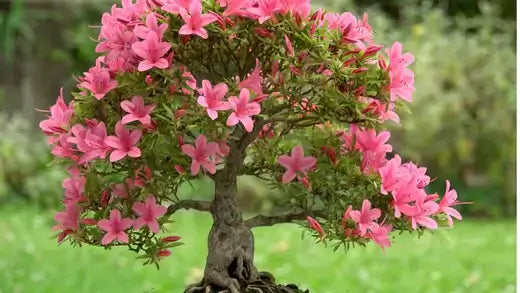
Bonsai refers to the art of growing trees and plants in containers‚ and the survival of these miniature forests and works of art depends somewhat on the characteristics of the soil and its adequacy for growing the plants․ The word "bonsai" (Japanese: "盆栽") means "planted in a container" and refers not only to the art but also to a concept․ The tradition is based on the soil additives that are the key to bonsai survival and growth․ Organic fertilizers and moisture-retaining conditions are needed in the soil offerings made up of a variety of different types of soil to support the tree so that it continues to grow and become a bonsai․
Fertilizers
Organic fertilizers are a meaningful benefit to bonsai care‚ whereas synthetic fertilizers can‚ over time‚ harm the plant or soil․ Organic fertilizers are made naturally‚ and may include compost‚ vermicompost (worm castings)‚ and/or fish emulsion․ These fertilizers have the advantage of providing the tree with necessary nutrients‚ as well as helpful soil microbes that contribute to a healthy growing environment․ As the material breaks down over time‚ it gives off nutrients too‚ providing a slow release of nutrients to the tree․ They do not run the risk of 'burning' the bonsai as might happen with chemical fertilizers‚ providing balanced nutrition for the tree․ They also help build the organic matter in the soil‚ which is essential for the structure and fertility of the soil needed to grow a bonsai․
Watering
Water retention techniques are another core aspect of bonsai care․ Bonsai trees grow in limited amounts of soil‚ making the availability of water vital․ Additions to the soil like peat moss‚ coir‚ vermiculite or water-retaining granules improve moisture retention; peat moss‚ for example‚ traps moisture in its fibers and releases it gradually to the roots‚ rather like a sponge․ Coir is an effective growing medium for plants‚ as it is highly aerated and retains moisture without becoming over-saturated․ It is a good medium for bonsai‚ as it lets drainage happen easily through it whilst keeping the soil moist․ It may also be suitable to cover the surface of the soil with mulch‚ which holds moisture in the soil by reducing evaporation․ This is especially useful for bonsai grown in a dry climate․
Nutrient balance for growing bonsai trees is as important and precise as the choice of paint to an artist in creating a masterwork․ Bonsai growers must be able to provide each growing tree with the proper nutritional balance to maintain a healthy specimen․ The plants require the basic nutrients such as nitrogen‚ phosphorus and potassium for the growth of plants‚ flowering and fruiting but also require other micronutrients such as iron‚ manganese‚ copper‚ molybdenum and zinc to provide the right kind of ecosystem in soil․ Therefore‚ soil tests may be used by caretakers to ascertain‚ and further tailor‚ the fertilizer requirements of bonsai trees specifically‚ as part of a more holistic procedure to meet the needs of individual bonsai․
Maintaining the life and health of bonsai trees is an active process that involves more than just adding soil amendments and fertilizers in a set schedule․ Regular care also includes pruning‚ repotting‚ and sometimes dealing with insect infestations․ As bonsai trees age and grow‚ their roots become relatively large in relation to the soil․ Repotting replenishes the soil nutrients and gives the roots more room to grow․ Repotting every two years and using a balanced mixture of organic soil amendments will promote this replenishment․ In addition‚ frequent trimming can lead to a fuller shape and also stimulates new growth․ In general‚ pest control is a good practice to keep pests from attacking the miniatures․ All of the care practices work together to create a healthy bonsai for years․
PH Levels
Understanding your pH levels is important when it comes to caring for your bonsai trees․ pH indicates how acidic or alkaline the soil is and affects nutrient absorption․ Bonsai plants prefer slightly acidic to neutral soil with a pH of 6․0 to 7․0․ If the soil is outside this range‚ nutrients may not be available to the roots of the tree‚ resulting in slower growth and yellowing leaves․ Routine checks of the pH of the soil make it easier for the bonsai to be kept in peak condition․ If the pH is too low or too high lime or sulfur can be added to the soil‚ keeping the tree with its optimal leaf and shape growth condition․
In conclusion‚ bonsai is a balance of art and horticulture (gardening)‚ and if organic fertilizers and water retention techniques are employed‚ then the optimal balance can be achieved and maintained by the gardener․ Careful attention to maintain nutrient balance‚ diligent care‚ and monitoring of the pH‚ are necessary tasks that must be carried out in order for these living works of art to flourish․ Every living work of art has its story‚ and its creator's work ensures that the story of the bonsai will extend well beyond the time it spends in cultivation․ For this symbiosis of nature and nurture‚ its miniature trees will continue to show patience‚ balance and beauty in small things․


