
Designing a Beautiful Perennial Garden
A perennial garden is a seasonal mosaic of color‚ texture‚ scent and memory‚ offering more than the riotous beauty of annuals that endure only a single bloom before fading‚ but the annual blooming of each perennial is an act of defiance over the constant tumult of life and a celebration of the beauty of time․ In closing‚ I ask you not to imagine a garden but a garden in the making‚ and not that of mere plants but that of the passionate gardener who will build it․ If you are familiar with the perennial plants and committed to the art and science of gardening‚ you can create a pleasure-filled‚ life-sustaining space of beauty and sanctuary that has much to give all year round․
The first step to a successful perennial garden design is to choose plants well adapted to different climate‚ soil‚ temperature‚ and light conditions․ For example‚ a garden in a sunny location may contain coneflowers or daylilies‚ while a fern or hosta garden may be planted in an area of deep shade where flowering plants cannot thrive․ Finally‚ consider the times at which flowers in your garden bloom․ By mixing early‚ mid and late blooming plants‚ you can ensure that the colors and scents of your garden last from spring to fall‚ keeping it bright and full of life when other flowers have already completed their blooming cycle․
Why Companion Planting is Important
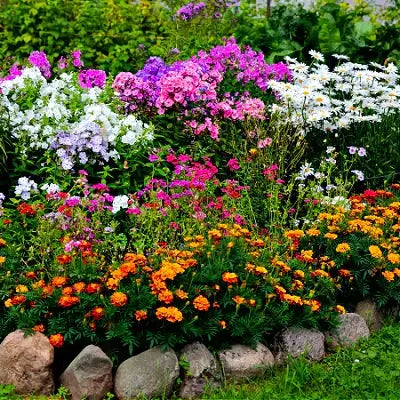
Once the plants are chosen‚ companion planting can be implemented to help the garden be successful․ Some plants are more suited to growing together while others encourage pest resistance in their neighbors․ An example of a companion plant is marigolds (Tagetes species) planted among perennials to repel pests because their odor is thought to be unappealing to insects․ Tall plants may also give shade to shorter plants․ Once you learn about plants' relationships to each other‚ you can develop a mini-ecosystem for your perennials that will also attract pollinators such as bees and butterflies into your garden․
Mulching is another way to make your garden beds healthy․ Mulch can be functional and helpful while also looking good․ Organic mulch also protects soil moisture‚ prevents weeds‚ and provides nutrients for the plants as it breaks down․ Consider mulch as roof insulation for your plants' roots‚ a blanket to blanket them against temperatures in summer and winter․ Mulch is a gift offered by the soil to the garden‚ a pledge that one will feed the soil that is feeding the plants․ Natural materials such as wood chips‚ straw or bark provide homes for earthworms and other beneficials and provide structure and fertility․
One of the most important steps you can take to keep your perennial garden healthy and beautiful year after year is seasonal maintenance․ Trim and divide your overcrowded and overgrown perennials during the spring․ Doing this will allow your plants to look their best and may provide you with new plants in your garden․ You should also clean up and dispose of any debris‚ dead leaves‚ and spent blooms in the fall to prevent diseases and insects from wintering over in your garden․ If they are watered regularly‚ especially during long periods of drought‚ the roots will be able to penetrate deeply‚ and the plants will become well established․
Ways to Add Heights and Textures
The perennially well-planned garden can provide a kaleidoscope of seasonal color‚ progressing as musically as the months of the year through the harmonies of spring pastels‚ of midsummer brights‚ and of autumn earth-scenery: but must be planned for‚ as much as any song‚ each transition from one to another․ The secret to a successful mixed border is to plant a wide mix of plants of different heights and textures‚ creating a rhythm‚ and making the eye move around the garden․ Ornamental grasses are ideal as they provide movement and also structure with their feather-like tops․ With a little thought to your design‚ you can create not just a view‚ but a place that draws you ever deeper into its world‚ and invites you to linger a while‚ a world with seasons of change․
By the end of the book‚ the perennial garden is not simply a setting for planting․ It is an opportunity to engage with nature‚ to learn to desire the sense of balance and harmony gardens represent‚ to find patience‚ and to observe as a garden undergoes seasonal transformations․ Creating and maintaining a perennial garden teaches us lessons as we learn to wait‚ to persevere‚ and to understand the importance of the seasons‚ of the cycles of life․ Enjoy nature in all its forms‚ and experience the joy and comfort that the beauty of living things can bring․ Get out and breathe the fresh air‚ and in your perennial plantings enjoy a small part of the life journey that goes on․


