
Best Shade Perennials for Your Garden
Best shade-perennials for most Tennessee gardens are hostas‚ ferns‚ coral bells‚ astilbe‚ and Virginia bluebells․ All of these plants do well in our hot‚ humid summers and in our heavy clay soils․ They reliably color our gardens with leaf or bloom from year to year․ If you have a yard as well shaded by mature oaks or maples as most yards in Middle and East Tennessee are‚ these five plants will outperform almost everything else you try․
But picking the right shade perennial isn't as simple as picking out the prettiest one at the garden center or nursery․ You need to think about the amount of light in your garden‚ the type of soil you have‚ and how much room you want your perennial to fill in․ Get those three factors right, and shade gardening is almost embarrassingly easy․
Figure out your actual light levels first․
Shade is not all the same‚ of course: there is a world of difference between the degree of shade offered by a hemlock canopy and that offered by a single river birch tree․ What will thrive in your yard depends on the level of shade․
Here's a rough breakdown:
- Full shade is less than two hours of direct exposure‚ such as beneath dense evergreens or the north side of a house․ - Part shade gives you two to four hours of morning or filtered sun․ This is considered the prime condition for most shade perennials․ - In dappled shade, tree leaves filter scattered sunlight throughout the day‚ but never a direct beam․
Tennessee has much dappled or part shade due to its many trees‚ so the list includes several plants for this intermediate light condition rather than true shade․ For example‚ hostas and astilbe flower poorly and will become spindly in real shade․ Instead‚ they like the partly shaded morning sun filtering through trees․
Soil Matters More Than People Realize
Middle Tennessee has heavy clay soil, which holds moisture but does not drain well․ Shade perennials prefer the moisture‚ but hostas or heucheras sitting with a crown wet all winter will rot out in spring․
Loosen the soil and work in a couple of inches to three inches of compost or old leaf mold into your beds before you ever put a plant into the ground‚ especially if you are on the heavy clay found around Nashville‚ Murfreesboro‚ or the foot of the Cumberland Plateau․ Many drainage problems can be avoided by planting in a raised bed or mound․
Most shade perennials prefer a slightly acidic pH of 5․5 to 6․5‚ but the native soil in Tennessee is typically in that range‚ especially under a ground cover of pine or oak needles‚ so it is unlikely that any pH adjustment will be necessary․ The best way to know for sure is to obtain a basic soil test kit from your county extension office․
Know How Big They'll Get Before You Plant Them
A one-gallon hosta division may seem tiny‚ but a four- or five-year spread will be three feet (1 m)․ A common mistake new gardeners make is to let ferns like cinnamon fern or ostrich fern take over the whole bed and fill in the empty space by sending out new fronds every year on more and more leathery rhizomes․
At the other end‚ some are low-growing (less than 12 inches (30 cm))‚ like foamflower (tiarella) or lungwort‚ and are often used for edging‚ or to fill in around taller plants․
Before you buy‚ ask: Do they clump or spread? Clumping perennials (most hostas‚ astilbe‚ coral bells) stay put and slowly widen from their crown to form larger clumps․ Spreading perennials (many ferns‚ sweet woodruff‚ some groundcover types) will send up many runners‚ and thus will require dividing or containing every few years if you don't want them taking over․
Plan for Bloom Times So Something's Always Happening
It's a common misconception that shade gardens are all green and no color‚ but that's only if you make the mistake of planting everything to bloom at once․
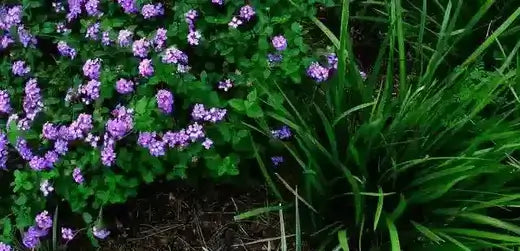
Virginia bluebells (Mertensia virginica) bloom in blue-violet bell-shaped flower clusters from late March into April in Tennessee․ The plant's oval leaves grow to 8 in (20 cm) long‚ are slightly hairy‚ and are soft to the touch․ By early summer‚ the flowers will all have gone‚ and the plant itself will be mostly dormant‚ making bluebells a good fit with something that fills in late on‚ such as hostas․
Other plants in the garden include the bleeding hearts‚ which lose their spring bloom in summer‚ and feathery pink‚ red‚ and white astilbe, which bloom from early to mid summer․ Astilbe as a class is better suited to Tennessee humidity during the summer months than are many flowering plants․
Coral bells (heuchera) flower sparsely‚ and are mainly planted for their foliage‚ with colors including burgundy‚ lime‚ caramel, and near-black‚ which feature prominently from April to frost․ Ferns and almost all hostas never bloom in any meaningful way; their foliage does all of the showing-off․
Mixing in early bloomers‚ summer bloomers, and reliable foliage plants ensures that a shade bed is not barren in June or dull in September․
There are a few worth mentioning:
Virginia Bluebell is one of the best native plants for a Tennessee shade garden. Drought-tolerant once established, the flowers are cold-hardy and low-maintenance. Its leaves survive a freeze-thaw cycle through a Tennessee winter, and it naturalizes at a few seeds a year underneath deciduous trees without being aggressive․
Hostas remain the backbone of most shade gardens‚ and with good reason: these tough-as-nails ‚ easily grown plants survive in dozens of sizes and leaf forms for 15-20 years or more with very little care․ Look for slug damage in a wet spring․ A sprinkle of diatomaceous earth around the stem usually keeps them away․
Several ferns‚ such as the Christmas fern and the autumn fern‚ stay evergreen or semi-evergreen and provide ground structure through the winter into January when everything else is gone․
Coral bells grow well in containers‚ or can be used in beds‚ and TN Nursery has a number of varieties that will help you fill your border with color․
In contrast‚ astilbe needs continuously moist soil‚ and should be grown near a downspout or in some other place where it is watered during dry weather․
Putting It Together
None of this requires a degree in landscaping․ Evaluate the light‚ amend the soil with compost to improve drainage‚ leave enough space to account for full-size plants‚ stagger bloom time․ Do those four things, and a Tennessee shade garden fills in fast; the usual three seasons to seem established is less than the five or more years expected for perennial beds․
"


