
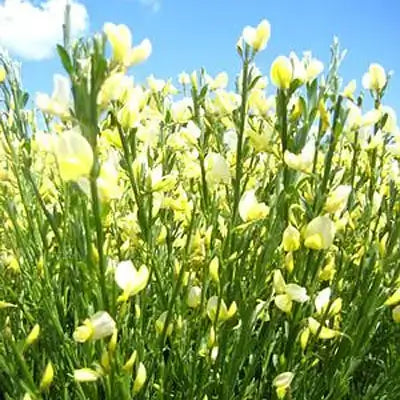
A moonlight garden plants shine after the sun goes down, with soft, pale leaves and white flowers that reflect the light. When used at night in quiet outdoor areas, these plants feel calm and welcome. Many of these plants do well in some shade, making them good for yards and areas that look like forests. With the right choices, any room can turn into a relaxing haven when the sun goes down.
By using moonlight garden plants, gardeners can enjoy beauty after the sun goes down while also adding soft scents and colours. A lot of people also call these plants moon garden plants because of the way they look when the moon is out. Based on TN Nursery's knowledge of plants that thrive in woodland and shade conditions, this guide is for moon gardens. Their plants are selected to create soft lighting effects and year-round interest, with minimal care and no direct sunlight required.
What Is a Moonlight Garden and Why Create One?
A moonlight garden is a thoughtfully designed area that is meant to be enjoyed in the evening and at night. It's not full of bright colours; instead, it has white flowers, silver-like leaves, and plants that slowly reflect light. These things give off a soft glow that becomes more pronounced as the sun goes down. Because they thrive in partial shade and add colour when other plants get dark, moonlight garden plants are popular among gardeners.
Building this kind of garden makes being outside more peaceful. After dark, it's a nice place for a quiet walk, some meditation, or a small get-together. At night, the plants often give off a light scent that makes the room feel even calmer.
Gardeners choose moon garden plants with flowers that stand out in the moonlight and leaves that look bright when there isn't much light. This type of plant also helps maintain the natural balance by attracting bees in the evening and reducing the need for artificial lights. It is helpful and attractive in places used at night.
Key Characteristics of Plants Used in Moon Gardens
-
Plants That Reflect Light
Sunlight bounces off plants with pale or soft-colored leaves, which is why moon gardens need them. After the sun goes down, these leaves look brighter and help define the yard's shape when there isn't much light. Because they are shiny, the walks, gardening areas, and their edges can still be seen at night. This kind of greenery has a calming effect without using electricity and helps create a calm environment in the evening. -
Blooming Habits at Night or in the Evening
Moon garden plants are often called night blooming plants. These plants either bloom late in the day or stay fresh until evening. Their blooms stand out more when it gets dark. This pattern of blooms makes the garden feel alive at night and helps it feel like a relaxed place to be in the evening. -
Adaptability to Shade
In some shade or with limited light, most moonlight plants grow a garden . They do well in woodlands and other places that don't get much sun. Shade-tolerant plants let farmers plant in areas that are usually hard to reach. This feature also helps the tree keep its steady growth and leaf colour all season long while improving sight at night. -
Texture of soft plants
Moon gardens often feature plants with soft shapes and smooth leaves. At night, these soft layers make things less sharp. They keep the yard from being too busy and make it feel balanced and calm. When there isn't much light, texture is more important than colour. This is why moon gardens should have soft plant shapes. -
Nighttime Fragrance
Many night blooming plants give off a scent when the sun goes down. This smell makes being in the yard more interesting when it's not as clear. Smells help people move through a room and make people feel calm. Evening smells are often light and pleasant, which helps you relax and makes moon gardens fun even when there aren't any bright flowers there. -
Balance of Seasons
Flowers that bloom in the moonlight, that bloom at various times, are part of a well-planned moon garden. This balance keeps the garden looking nice from the beginning of spring to the end of summer. Even after the flowers are gone, the foliage still looks nice. Seasonal variety helps keep structure and glow all year while keeping up with care routines easily.
Best Plants for Creating a Moonlight Garde
Foam Flower
People like Foam Flower because it has soft, white flowers and leaves that grow low to the ground. The flowers are softly raised above the leaves and can easily catch the light of the moon. It does well in parks with lots of trees and in shady areas. As one of the best moonlight garden plants, it adds colour and structure without taking away from other plants in the area. Its natural shape helps create a peaceful yard in the evening.
Lily of the Valley
Lily of the Valley has small white flowers that look like bells and are easy to see in low light. Its scent in the evening makes the yard feel more like a real place to be. This plant spreads slowly and does well along walks or in the shade. Because it improves the area's appearance and smell at night, it is frequently included in lists of traditional moon garden plants.
Anemone
Moon gardens look livelier when they have anemone plants with light-colored blooms that sway in the wind. The moonlight looks nice on their open flower form. The moonlight garden plants go well with them, and they help soften the garden's edges. Anemones look great in stacked plantings and add interest throughout the year, without needing much care or direct sunlight.
Hepatica
This Hepatica blooms early and has pale flowers and rough leaves. It does well in shady woods and adds interest to early-season gardens. It adds a soft touch of colour and shape to a moon garden. Other moon garden plants go well with hepatica and it helps keep the garden looking balanced before the bigger plants fully bloom.
Caring for Moonlight Garden Plants Year-Round
Moonlight garden plants do best in sunny areas with clean, damp soil. It's good to water it regularly, especially when it's dry. When you prune most plants, you only need to get rid of their old flowers and broken leaves.
During fall, clearing heavy debris keeps plants healthy while leaving some natural cover. Winter protection is usually simple since these plants adapt well to cooler conditions. With gentle seasonal care they continue to grow well and maintain their soft glowing appearance throughout the year without complex maintenance routines.
Conclusion
Moonlight gardens use soft flowers, leaves and plant shapes to turn outdoor areas into peaceful places to spend the evening. These gardens depend on plants that do well in shade and naturally reflect moonlight. At night, Foam Flower, Lily of the Valley, Anemone and Hepatica all make fields look nice and balanced. With the right location and basic care, these plants look nice all year long.
TN Nursery is still a reliable place to get moon garden plants that do well in wooded and shady areas. Their plant choices support peaceful areas designed for moonlit nights and peaceful nights.
FAQ
Which plants grow in moonlight?
Plants that can grow in shade and have white flowers do well. In a natural way, they mirror moonlight.
What plants are good for a moon garden?
You can choose from Foam Flower, Lily of the Valley, Anemone, and Hepatica.
How to make a moonlight garden?
Limit the amount of bright light you use and focus on places that get some shade.
Where is the best place to put a moon garden?
Yards with shade, patio edges, and wooded areas work best.
Which garden is also known as moonlight garden?
It is also known as a moon garden because it is beautiful at night.
Where can I buy moon garden plants online?
TN Nursery is where a lot of people go to get good moon garden plants.


